

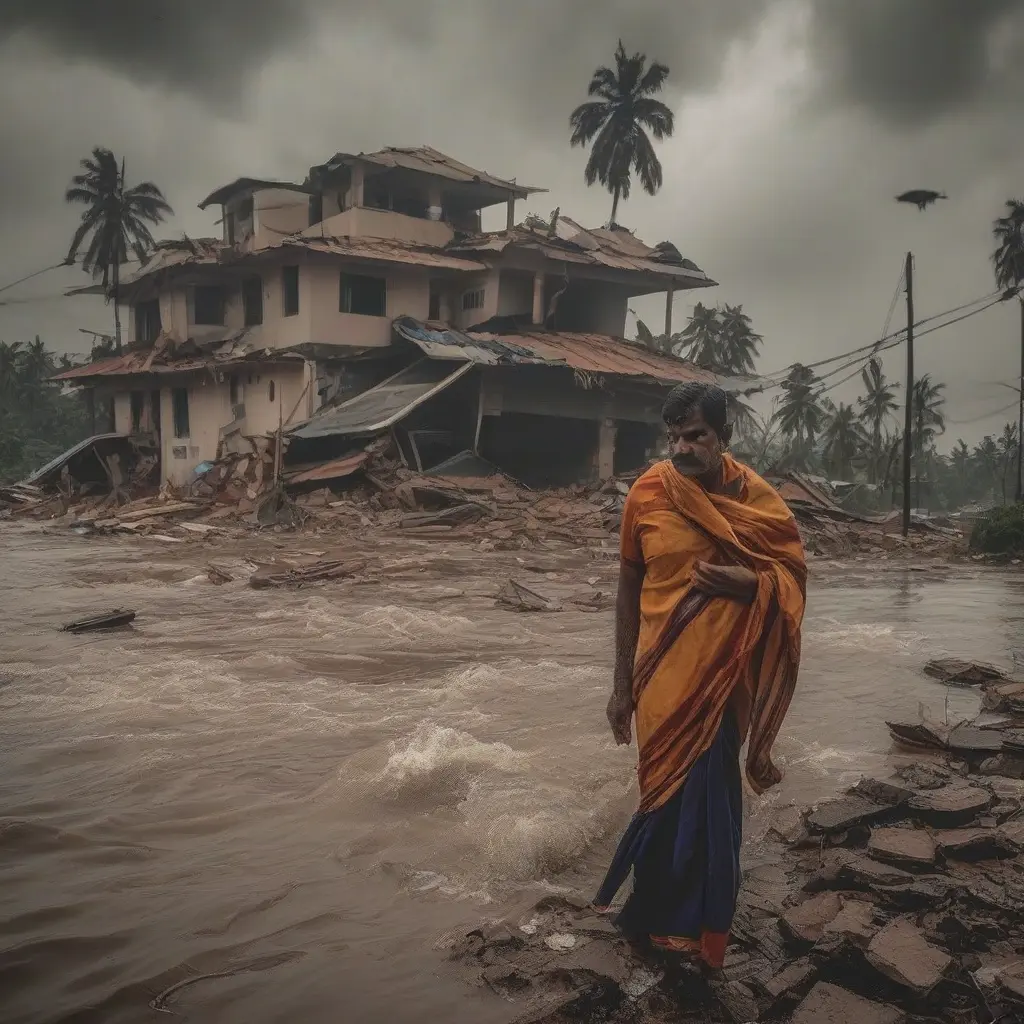
Natural disasters can strike at any moment, often with little warning. In India, the variety of disasters ranges from floods and earthquakes to cyclones and tsunamis. Understanding how to stay calm and safe in these situations is crucial for personal safety and community resilience. This guide will provide essential tips and resources to help you navigate such crises effectively, whether you’re a resident or a tourist.
Understand Local Risks
The first step toward preparedness is understanding the specific natural disaster risks associated with the region you are in. Different areas of India face various threats; for example, coastal states are prone to cyclones, while northern areas may be more at risk for earthquakes. Familiarize yourself with local weather reports and geological surveys. Knowing the types of natural disasters that may occur will help you develop a tailored safety plan.
Create an Emergency Kit
Assembling a well-stocked emergency kit can significantly improve your chances of staying safe during a natural disaster. Include essential items such as bottled water, non-perishable food, a flashlight, batteries, a first aid kit, and necessary medications. Don’t forget to include items like a whistle, a multi-tool, and important documents. Ensuring your kit is easily accessible can make all the difference in a crisis.
Develop a Communication Plan
Having a clear communication plan is crucial during a natural disaster when usual communication methods may break down. Designate a safe meeting place for family members and close friends. Ensure everyone has access to important contact numbers and social media handles for updates. During emergencies, text messages may transmit better than calls, so inform everyone to utilize SMS services as an alternative.
Learn Basic First Aid Skills
Basic first aid training can be lifesaving during emergencies. Familiarize yourself with essential techniques such as CPR, wound dressing, and how to respond to shock. Many organizations and healthcare facilities offer first aid courses, which can prepare you to handle medical emergencies that arise during natural disasters. Being equipped with these skills can instill confidence and help you assist others if required.
Stay Informed with Technology
Utilizing technology and staying informed is vital for safety during a disaster. Download emergency management apps that can provide real-time alerts about potential disasters, evacuation routes, and safety tips. Monitor local news stations through TV or radio broadcasts to stay updated on the situation. Social media can also be a resource for receiving alerts and updates from government agencies.
Know Your Evacuation Routes
Before a disaster occurs, familiarize yourself with your area’s evacuation routes. Identify multiple routes in case your primary path is blocked or unsafe. Practice these routes with family members, especially children, so everyone knows how to respond during an emergency. Local authorities often provide evacuation maps, and following them can ensure you’re able to exit danger zones promptly.
Remain Calm and Have a Positive Mindset
Maintaining a calm demeanor during a natural disaster is essential for clarity and decision-making. Anxiety can lead to panic, making it difficult to think rationally. Engage in mindfulness practices, such as deep breathing exercises, to mitigate stress. A positive mindset not only helps you focus on survival tactics but can also inspire those around you to remain calm and collected.
Prepare for After-the-Disaster Scenarios
Preparation should extend beyond the immediate event to include after-the-disaster scenarios. Anticipate potential issues such as lack of electricity, disrupted supply chains, and availability of clean water. Ensure your emergency kit includes a backup power source, and familiarize yourself with resources available for post-disaster recovery. Understanding how to navigate these challenges is key to long-term safety and stability.
Follow Local Authorities’ Instructions
In times of crisis, local authorities will issue instructions regarding evacuations, shelter locations, and safety measures. Follow these directives closely, as they are based on real-time assessments of the situation. Avoid spreading rumors or misinformation, as this can lead to unnecessary panic. Trust the guidance from official channels, which are equipped to handle disaster responses.
Practice Your Safety Plan Regularly
Having a safety plan is only the first step; practicing it regularly ensures everyone is prepared and knows their roles. Conduct drills with family members to ensure everyone understands what to do during various types of natural disasters. Revisit and update the plan as needed, especially if your living situation changes. Regular practice can build confidence and muscle memory, enabling a more efficient response in an emergency.
Stay Aware of Changes in Your Environment
Being attentive to environmental changes can provide early warnings of potential disasters. Keep an eye out for unusual weather patterns, trembling grounds, or sudden rises in water levels. Familiarize yourself with warning signals like sirens or community alerts. Developing an awareness of these changes can help you react swiftly and appropriately to emerging threats, potentially saving lives.
Seek Support and Community Resources
Navigating a natural disaster can be overwhelming, and seeking support from community resources is important. Local NGOs, government agencies, and community centers often provide valuable resources like counseling, shelter, and assistance in recovery. Building a network within your community can offer support during tough times. Don’t hesitate to reach out for help; it can significantly aid in the healing process post-disaster.
Conclusion
Staying calm and safe during natural disasters in India requires preparation, knowledge, and a community-focused mindset. By understanding local risks, creating emergency plans, and practicing safety measures, you can significantly enhance your chances of survival. Emphasizing education, communication, and community support can help individuals and the collective community navigate through crises with resilience.


