Volunteer travel in India offers individuals a chance to contribute positively while exploring the rich cultural tapestry of the country. However, ensuring a safe experience is paramount for both volunteer and community members. This guide will delve into the essential practices and considerations that can enhance safety during your volunteer trip, making your engagement both rewarding and secure.
Understanding Local Cultures and Customs
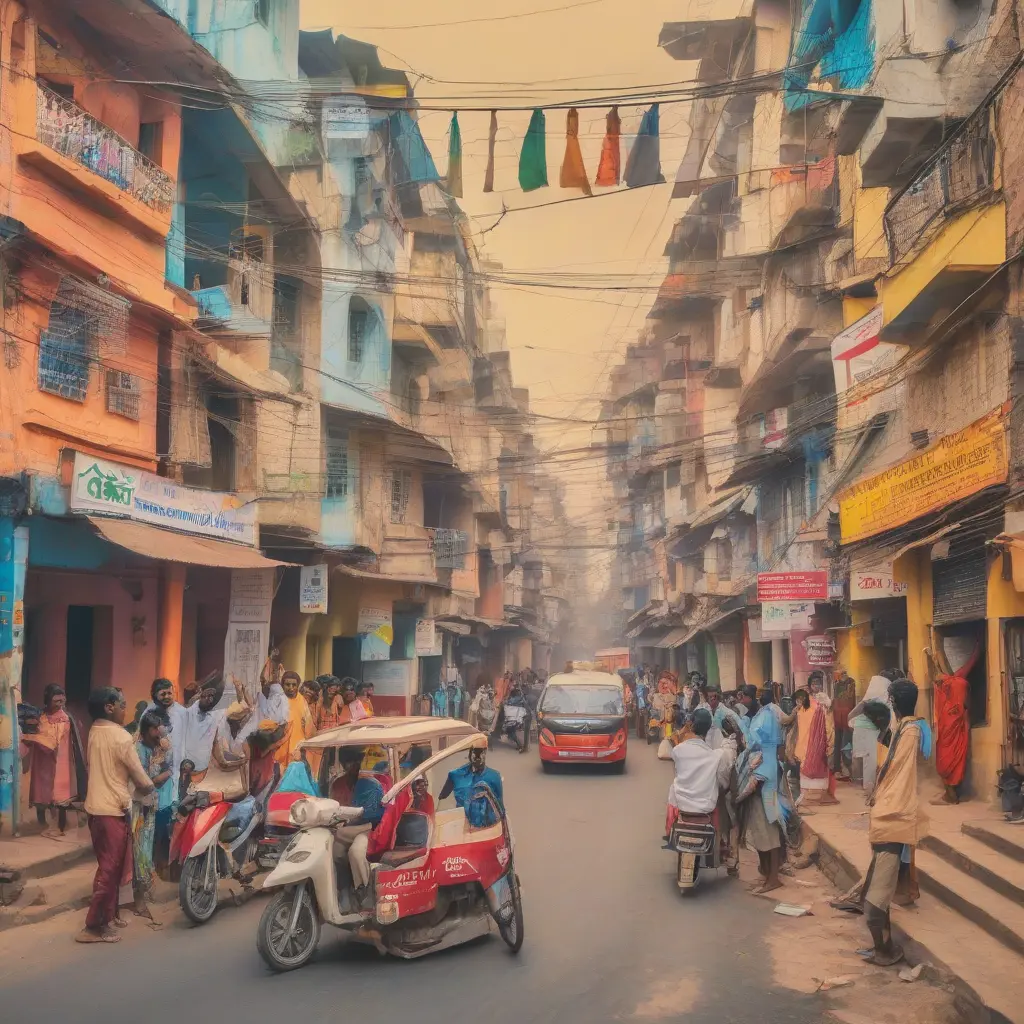
Familiarizing yourself with the local customs and cultures is crucial for ensuring a safe volunteer travel experience in India. Each region pours its unique traditions and societal norms into daily interactions. Understanding these practices not only fosters respectful relationships but also mitigates misunderstandings. Engaging with local communities through workshops or cultural orientations can provide valuable insights, enabling volunteers to navigate social situations with greater ease and sensitivity.
Choosing the Right Organization
Selecting a reputable organization is vital for a safe volunteer experience. Research various volunteer programs to verify their credibility. Look for reviews, testimonials, and contact past volunteers to gain firsthand accounts of their experiences. An organization with transparency regarding its operations, safety protocols, and community impact will better prepare you for what to expect, ensuring a responsible and enriching engagement.
Health and Safety Precautions
Before embarking on your volunteer journey, consult with a healthcare professional regarding necessary vaccinations and medications. Consider travel insurance that covers health emergencies and understand local healthcare facilities available. Maintaining a first aid kit and familiarizing yourself with personal safety practices can help mitigate potential risks. Additionally, stay informed about prevalent health issues, such as waterborne diseases, to take adequate preventive measures.
Navigating Transportation Safely
Transportation in India can be diverse and sometimes challenging. Utilize reputable transportation services, and when possible, travel during daylight hours. Make arrangements ahead of time for transportation to and from volunteer sites to avoid confusion and potential risks. Public transport can be crowded and overwhelming, so opting for private transport may add an extra layer of security to your travel. Always trust your instincts when evaluating travel options.
Communication Strategies
Effective communication is key to a successful volunteering experience. Learning basic Hindi phrases can enhance your interactions with locals and cultivate goodwill. Make use of translation apps to bridge any language gaps. Inform your contacts, both at home and in India, about your itinerary and how to reach you in case of emergencies. Reliable communication tools, such as local SIM cards or portable Wi-Fi devices, can amplify your ability to stay connected.
Preparing for Cultural Sensitivity
Displaying cultural sensitivity is essential when engaging in volunteer work. Dress modestly and adhere to local dress codes, which can differ significantly from Western styles. Avoid discussions around sensitive topics such as religion or politics until familiar with local perspectives. By showing respect for the community’s values, you can alleviate tensions and build stronger rapport with those you are serving, enhancing the overall volunteering experience.
Building Relationships with Local Communities
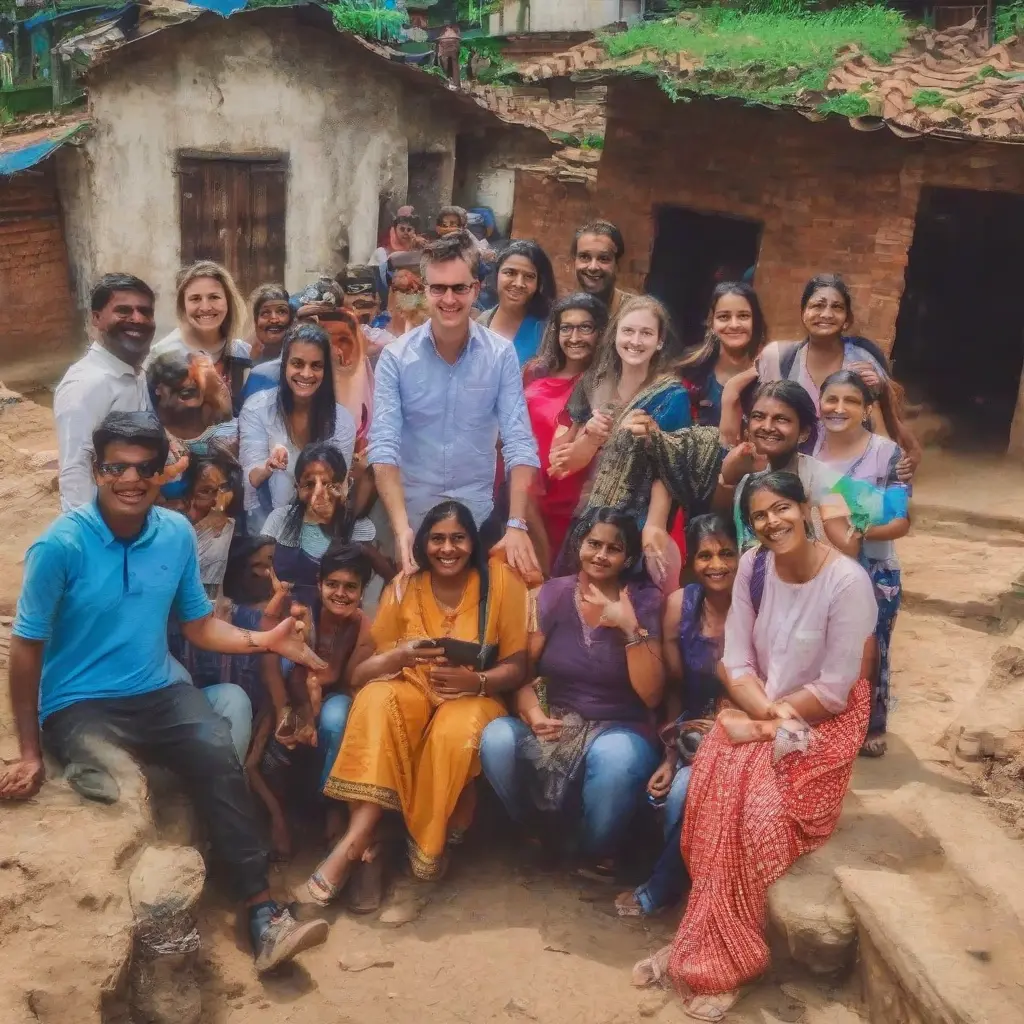
Establishing meaningful relationships with local community members can enhance your volunteer experience significantly. Take the time to listen and understand the needs and aspirations of the community. Participate in local gatherings and events to build rapport and trust. By forming genuine friendships and alliances, volunteers can positively impact lives while learning from the community, creating a more enriching and rewarding experience.
Understanding Legalities and Documentation
Understanding the legalities surrounding volunteering in India is important for your safety. Ensure you have the correct visa for volunteer work, as regulations can vary. Familiarize yourself with local laws and customs to avoid unintentional violations. Keeping copies of important documents, including your passport and visa, in secure locations can provide peace of mind during your travels, enhancing overall security.
Emergency Preparedness
Being prepared for emergencies is crucial when volunteering abroad. Create an emergency plan detailing local contacts, embassy information, and a list of nearby hospitals or clinics. Share this plan with fellow volunteers and ensure they know how to respond in potential crisis situations. Regularly review safety protocols and remain alert to your surroundings, empowering you to make informed decisions while volunteering.
Sustainable Practices in Volunteer Travel
Embracing sustainable practices ensures that your volunteering efforts have a lasting positive impact. This includes supporting local businesses, using eco-friendly products, and minimizing waste. Understanding the local environment and how your work fits within it can promote long-term benefits for the community. By acting responsibly, volunteers can contribute to the well-being of both the people and the environment they are engaging with.
Conclusion
Conducting safe volunteer travel experiences in India requires careful preparation and awareness. By adhering to recommended practices, understanding local customs, and staying vigilant, volunteers can not only ensure their safety but also foster genuine connections with the communities they serve. This mindful approach enhances the overall experience, making it both beneficial and rewarding for everyone involved.