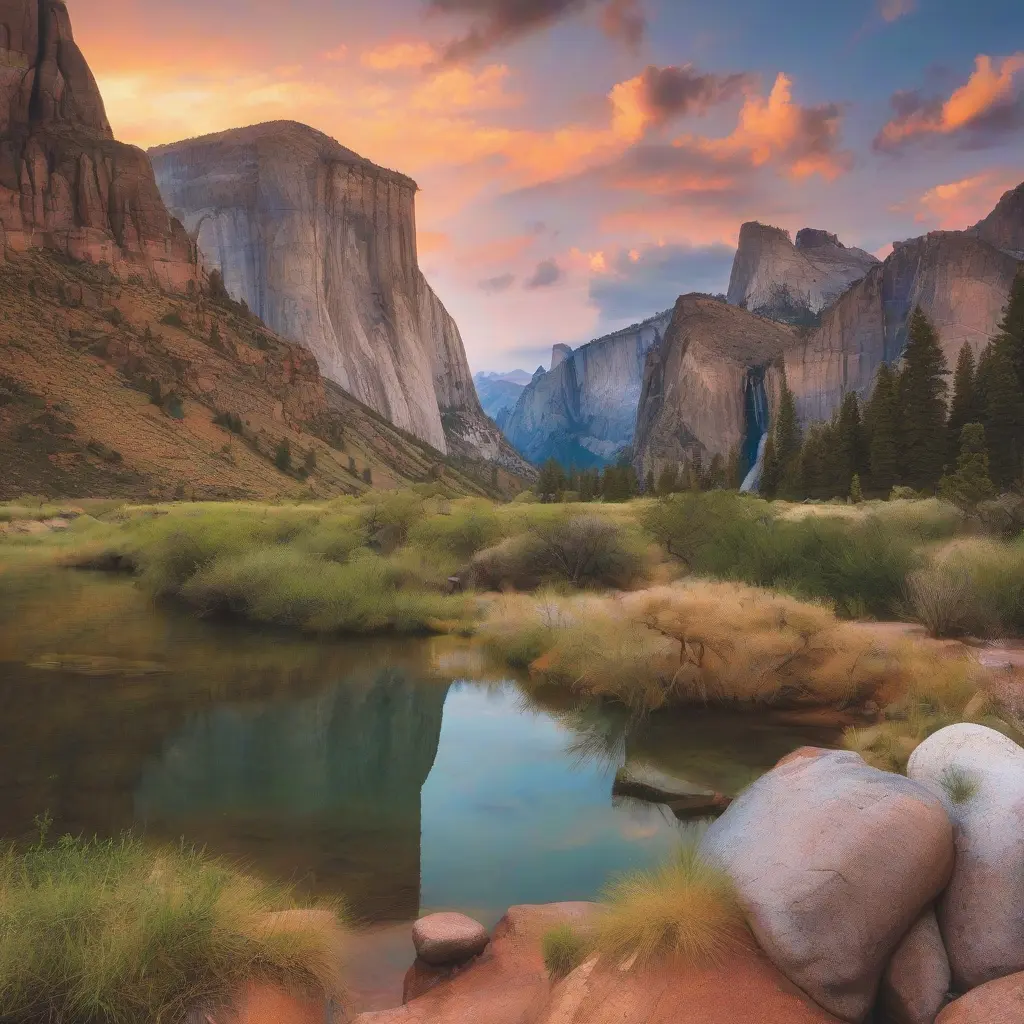
The United States is home to an expansive network of national parks that showcase the country’s stunning landscapes, diverse ecosystems, and rich cultural heritage. From the rugged mountains of the Rocky Mountain National Park to the serene beauty of Great Smoky Mountains, each park offers unique adventures for outdoor enthusiasts. This guide aims to provide insights into various national parks, the activities available, essential tips for visitors, and how to make the most of your experience exploring these natural wonders.
Understanding the National Park System
The National Park System, established in 1916, encompasses over 60 national parks as well as numerous monuments, historic sites, and reserves. Managed by the National Park Service, the system aims to preserve the natural and cultural resources of these areas for future generations. Each park varies significantly in its offerings, ranging from geological features and wildlife to recreational activities like hiking, camping, and kayaking. Understanding this framework can enhance visitors’ experiences, enabling them to choose parks that best align with their interests.
Top National Parks to Visit
Among the most visited national parks in the United States are Yellowstone, Yosemite, and Zion, each offering breathtaking scenery and diverse activities. Yellowstone, the first national park in the world, is famous for its geothermal features, including the iconic Old Faithful geyser. Yosemite attracts climbers and hikers with its towering granite cliffs and majestic waterfalls. Zion National Park, located in Utah, showcases stunning canyons and unique rock formations, making it a haven for adventurers seeking both challenge and beauty.
Essential Activities in National Parks
National parks provide a myriad of activities suitable for all ages and interests. Hiking remains one of the most popular ways to explore the parks, with well-marked trails ranging from easy walks to strenuous backcountry routes. Wildlife viewing is another highlight, as many parks are home to diverse species including bears, elk, and eagles. For water enthusiasts, options like rafting, kayaking, and fishing are available in suitable parks, allowing visitors to experience nature from a unique perspective.
Best Times to Visit
Timing your visit to a national park can greatly influence your experience, as each season brings different attractions. Spring is celebrated for blooming wildflowers and moderate temperatures, making it ideal for hiking and photography. Summer draws the largest crowds, offering the best access to all park facilities and activities, though be prepared for potential heat and busyness. Autumn features stunning foliage and cooler temperatures, while winter presents opportunities for snow sports in select parks.
Planning Your Visit
Proper planning is essential to ensure a smooth and enjoyable experience at national parks. Consider the park’s layout, key points of interest, and available services like lodging or food. It’s also crucial to check for any seasonal restrictions, permit requirements, or weather changes that may affect your plans. Additionally, making early reservations for accommodations and activities can prevent last-minute disappointments, ensuring you can fully enjoy the adventure.
Safety Tips for Adventurers
Safety is paramount when exploring national parks, given the variable conditions and potential wildlife encounters. Always stay updated with park guidelines and weather forecasts, and inform someone of your itinerary. Carry a map or GPS device, as cell service may be unreliable in remote areas. Practice safe hiking by sticking to established trails, carrying sufficient water, and maintaining awareness of your surroundings. Understanding bear safety measures is crucial for parks where these animals are present.
Sustainable Practices in National Parks
As national parks attract millions of visitors each year, adopting sustainable practices becomes imperative to preserve these natural wonders. Visitors should practice ‘Leave No Trace’ principles, which involve minimizing waste, protecting wildlife, and staying on designated paths. Using refillable water bottles and biodegradable products can further reduce environmental impact. Engaging in responsible tourism helps ensure that future generations can also experience the beauty and serenity of America’s national parks.
Accommodations and Amenities
Accommodations in national parks vary widely, ranging from campgrounds to luxury lodges. Many parks offer campgrounds with basic amenities, ideal for a more immersive experience in nature. For those seeking comfort, reserving a room in a park lodge can provide a cozy retreat after a day of adventure. It’s advisable to book accommodations well in advance during peak seasons, as options can fill up quickly. Researching nearby towns for additional lodging can also expand your choices.
Family-Friendly Parks and Activities
Traveling with family can be rewarding, and several national parks cater specifically to family-friendly experiences. Parks like Acadia and Shenandoah offer easy hiking trails, educational ranger programs, and accessible picnic areas. Junior Ranger programs engage children in learning about nature and wildlife, fostering a sense of curiosity and responsibility. Choosing parks with diverse activities can ensure that every family member, from toddlers to grandparents, finds something enjoyable.
Exploring Cultural Heritage in National Parks
Many national parks also preserve significant cultural and historical resources, offering insights into America’s heritage. Parks like Mesa Verde and Ellis Island provide opportunities to learn about Native American history and immigration, respectively. Visitors can explore ancient cliff dwellings, historic artifacts, and attend ranger-led programs tailored to educate about the cultural aspects of each area. Understanding this heritage can enrich the overall experience and foster respect for diverse histories.
Conclusion
Exploring the national parks of the United States offers a unique opportunity to connect with nature and adventure while discovering the country’s cultural and natural treasures. With diverse activities, stunning landscapes, and important conservation efforts, planning a visit can be both fulfilling and transformative. By understanding the parks’ features and adopting sustainable practices, visitors can enjoy these remarkable spaces while preserving them for future generations.