Traveling with children can be both exciting and challenging, but ensuring their safety is paramount for every family adventure. Families should embrace travel but also be aware of potential risks and how to address them. Being prepared not only mitigates dangers but also enhances the overall experience. This guide will explore essential travel safety tips that specifically focus on keeping your kids secure, from planning the trip to navigating unfamiliar environments, ensuring a safer journey for everyone involved.
Plan Ahead for Safe Travel
Before embarking on your journey, thorough planning is essential for ensuring the safety of your family. Research your destination and understand its cultural norms, local laws, and emergency contacts. Make an itinerary that includes safe places to stay, nearby hospitals, and police stations. Teaching your children about the area can also foster their awareness. Additionally, familiarize them with potential emergency procedures, which will boost their confidence and prepare them for unexpected situations while traveling.
Secure Identification for Children
Every child should carry some form of identification while traveling. This could be a passport or a simple ID card with vital information. Consider also having a bracelet or tag with your contact details, which your child can wear. Make sure they know their full names, your phone number, and other key details. In crowded places, loss can happen easily, and having this information handy can significantly reduce anxiety and ensure quick reunions in case they get separated.
Teach Kids About Stranger Safety
It’s crucial to educate children about how to interact safely with strangers when traveling. Teach them to always stay close to parents or guardians and never to accept help from someone they don’t know. Create a safety phrase or code that can signal to them when something is not right. Role-playing different scenarios can also help children practice what they should do in various situations. Reinforcing these lessons across several trips can ensure they remain vigilant and aware of their surroundings.
Use Safety Gear and Equipment
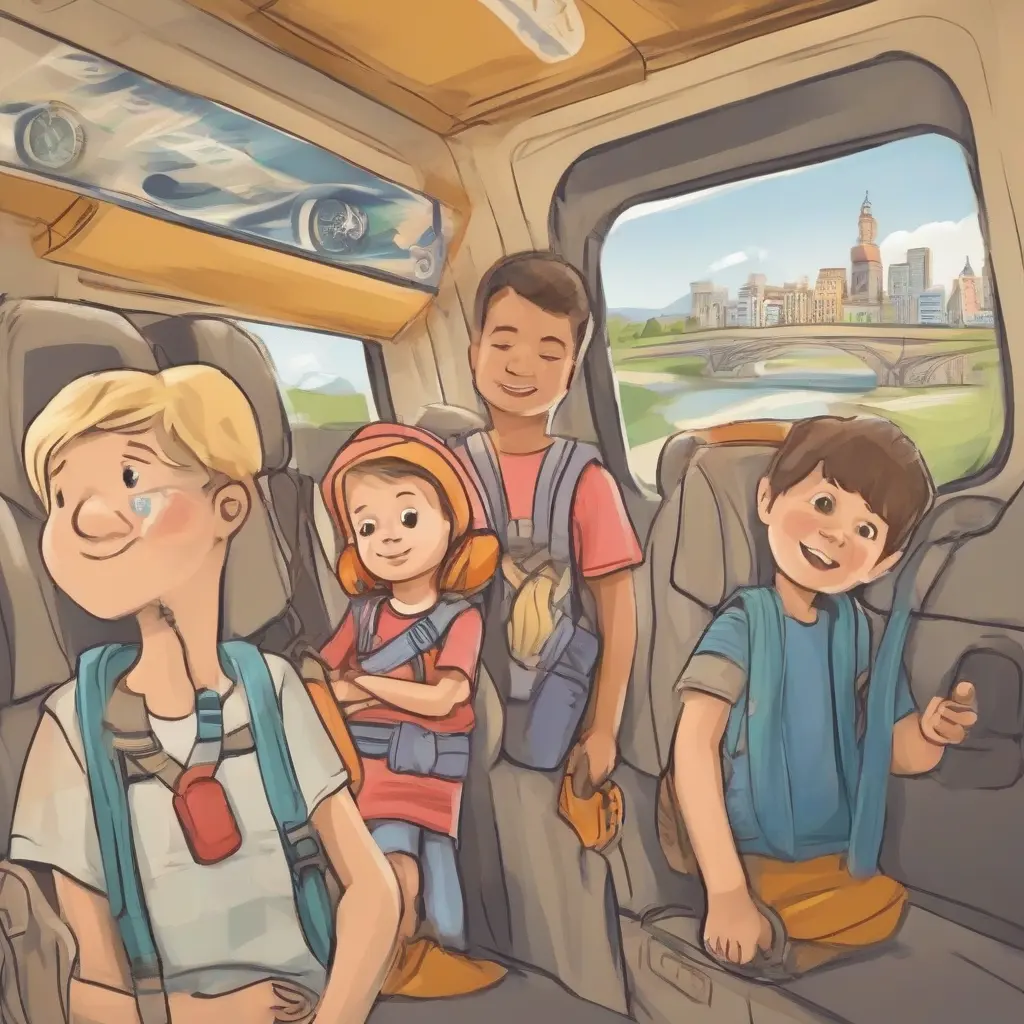
Investing in appropriate safety gear can greatly enhance your family’s travel experience. For young children, the use of harnesses or child leashes in crowded areas can prevent them from wandering off. Seat belts and booster seats should always be used in vehicles, complying with local laws. For outdoor adventures, ensure helmets, pads, and other protective gear are utilized to prevent injuries. Having the right equipment can ensure peace of mind and a more enjoyable, safe adventure.
Establish a Meeting Point
When visiting large attractions or unfamiliar places, establishing a designated meeting point is essential. Instruct your children to return to that spot if they become lost or separated. Choose a recognizable landmark, such as a specific tree or statue, to simplify the process. Remind them to wait there until help arrives or until you return. This simple strategy can empower kids and reduce panic, making it easier for families to regroup in busy environments.
Be Mindful of Food and Water Safety
Food and water safety should always be a priority, especially in unfamiliar regions. Discuss the importance of drinking clean water and avoiding street food that may not meet hygiene standards. Always supervise younger children while they eat, ensuring they don’t consume anything that may pose a choking hazard. Understanding local customs and food preferences may also help avoid allergic reactions. Ensuring food and water safety can greatly reduce the risk of illness during your travels.
Keep Emergency Contacts Accessible
Having a list of emergency contacts can prove vital during travels. Store important phone numbers for local authorities, hospitals, and family back home in a secure yet accessible place. Teach your children how to use a phone or other communication device to reach these contacts if necessary. Additionally, maintaining an updated first-aid kit will prepare you for minor emergencies. Being proactive in this regard can mitigate many concerns and help your family feel safer while exploring new destinations.
Adjust Travel Plans for Safety
Travel plans may need to be adjusted based on recent safety reports or advisories. Stay informed through official government advisories or local news about potential risks like natural disasters, political unrest, or health alerts. Flexibility in your schedule can lead to more secure travel experiences. Prioritizing the well-being of your family over adhering rigidly to a plan can lead to safer and more enjoyable adventures. Always be prepared to alter routes or destinations as necessary for safety.
Utilize Technology for Safety
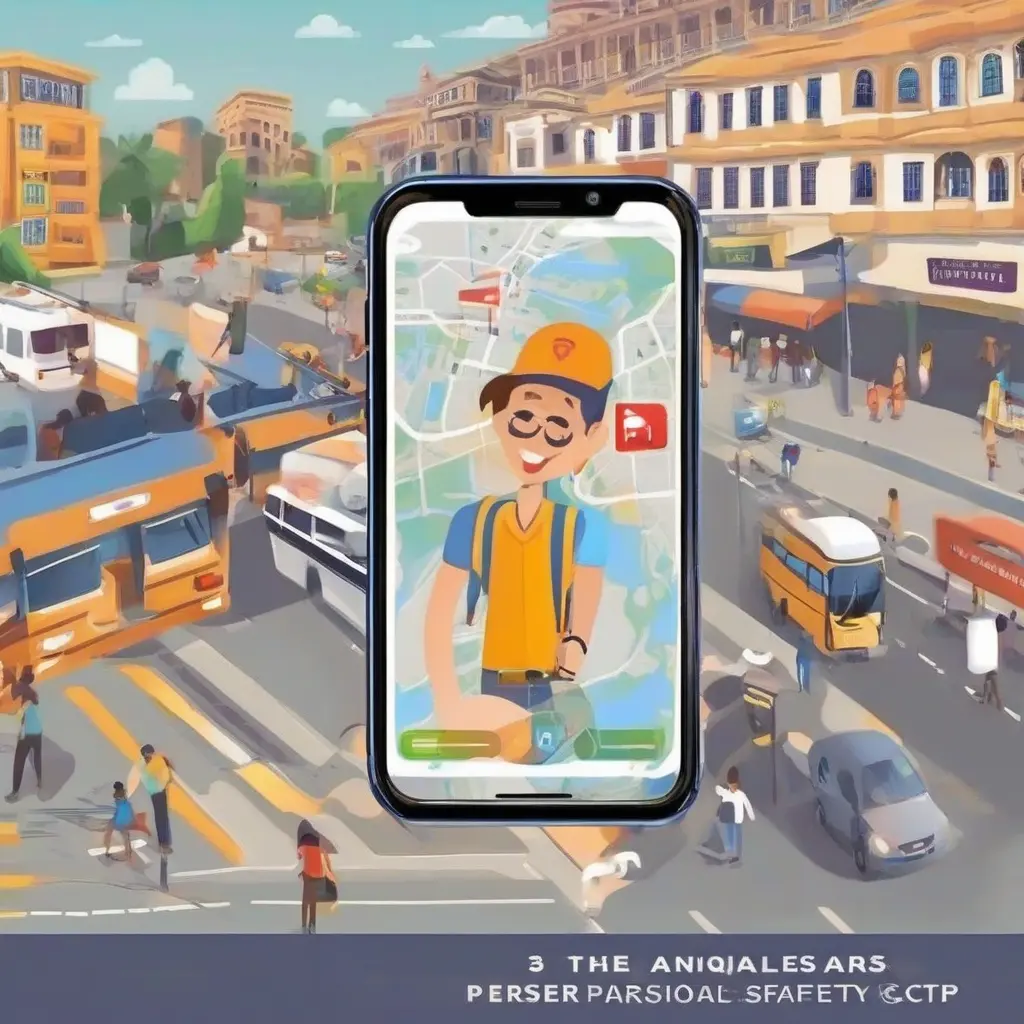
The use of technology can significantly enhance safety measures while traveling. Consider downloading location-sharing apps that allow family members to track each other. Kids can carry devices like smartphones, which can help them reach you quickly if separated. Additionally, many applications provide information on emergency services in your area. Familiarizing yourself with these tools before a trip can boost your confidence in maneuvering through new environments while keeping everyone secure.
Discuss the Itinerary with Kids
Involving children in the travel itinerary discussion can promote safety and responsibility. Present the planned activities and encourage questions, discussing any potential safety issues. Highlight the importance of sticking together and the places of interest they will explore. This not only prepares them for the adventure but also makes them feel valued in the decision-making process. Understanding the travel plan can foster a sense of security in children, making them more cooperative and aware.
Conclusion
Ensuring the safety of your family while traveling requires planning, education, and attention to detail. By implementing these travel safety tips, families can create a secure environment that facilitates enjoyable experiences. From preparing identification to discussing travel plans, proactive measures are crucial. Ultimately, embracing travel with safety in mind enhances the journey, allowing families to focus on creating memorable experiences together while minimizing potential risks.