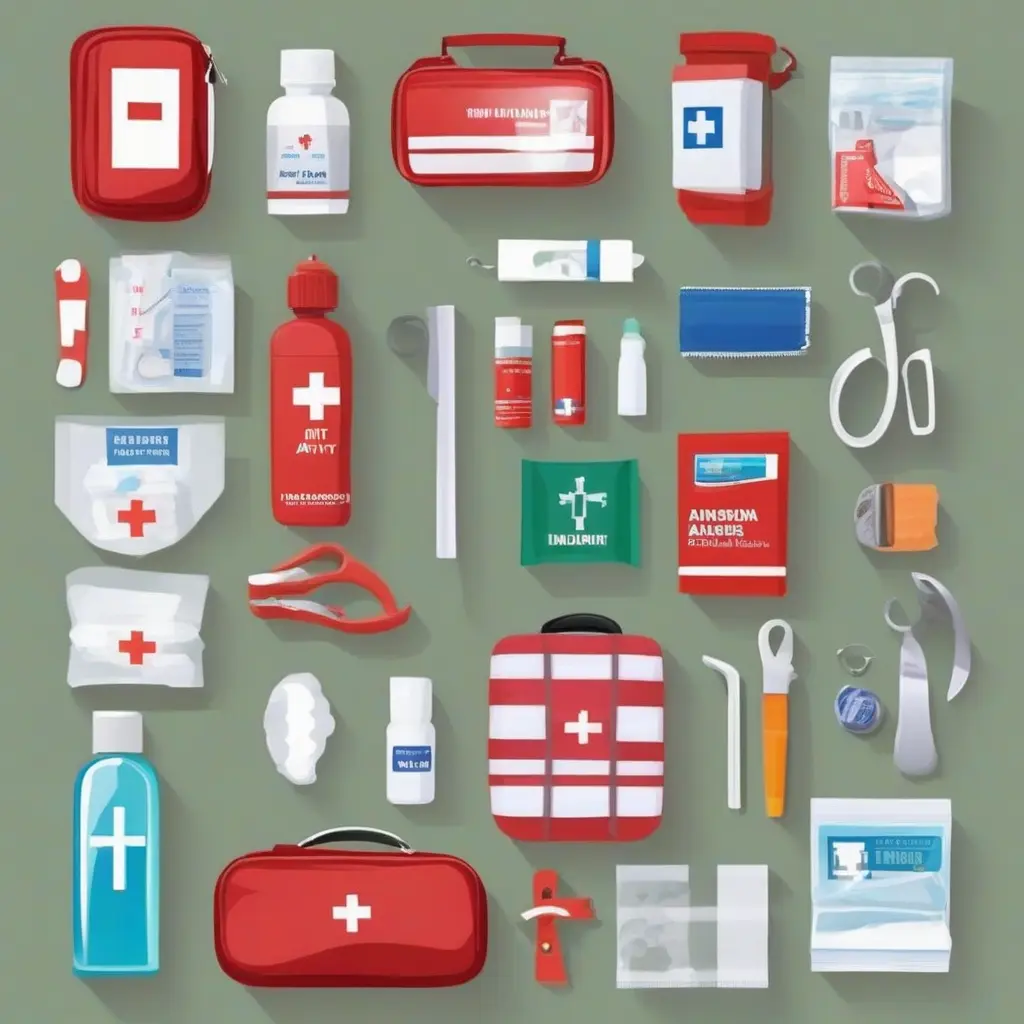
Traveling can be an exciting adventure, but for individuals who rely on medication, it also requires careful planning. Whether you have chronic health conditions or are taking short-term prescriptions, knowing how to manage your medications during your trip is crucial. From understanding regulations to packing essentials, this guide will provide you with safety tips that will help ensure a hassle-free journey. By being informed and prepared, you can focus on enjoying your travels without the added stress of medication management.
Check Regulations Before Traveling
Before embarking on your journey, familiarize yourself with the regulations regarding medications in your destination country. Different countries have different rules about what medications are permitted and how they should be transported. Certain medications, particularly those classified as controlled substances, may require documentation or could be entirely banned in some locations. Researching these regulations in advance can help you avoid potential legal issues and ensure that your medication is allowed at your destination.
Keep Medication in Original Packaging
To prevent any misunderstandings at customs or security checks, always keep your medication in its original packaging. This packaging contains crucial information, such as dosage instructions and the prescribing doctor’s details, which can be important for both security verification and medical emergencies. Original labels also help to clearly identify the contents, minimizing the risk of confusion over medications. This practice can make it easier to access your medication while traveling and serve as proof of prescription if questioned.
Create a Medication Travel Plan
Developing a detailed medication travel plan is essential, especially for longer trips. Include a list of all medications, dosages, and prescribing doctors, along with emergency contact information. Specify how and when to take each medication, particularly if time zone changes may affect your schedule. This plan will not only help you keep track of your medications but can also be invaluable in emergencies or if someone else needs to assist you while traveling. Having a clear plan increases the likelihood of maintaining your medication regimen without interruption.
Take a Sufficient Supply
When traveling, ensure you take an adequate supply of your medications to last the entire trip, plus a few extra days’ worth just in case of delays. It’s wise to consider the availability of your medications at your destination, as some may not be easily obtainable overseas. Additionally, pharmacies may not be open at all hours, and local prescriptions might be challenging to obtain. Packing extra medication ensures you won’t face issues if plans change unexpectedly.
Carry a Doctor’s Note
Having a doctor’s note can save you from complications during your travels. A note detailing your medical conditions and prescribed medications can prove invaluable, particularly when traveling internationally or with controlled substances. This document can help explain your need for certain medications if questioned by authorities or security personnel. It is advisable to carry both physical copies and digital versions of this note for easy access and backup in case of loss.
Pack Medications in Carry-On Luggage
Always pack your medications in your carry-on luggage rather than checked bags. This ensures that you have immediate access to your medications throughout your journey and reduces the risk of loss or damage. Temperature-sensitive medications should be kept with you to ensure they remain within necessary temperature ranges. Additionally, having your medications on hand during transit can help prevent missed doses and alleviate any anxiety about medication availability while traveling.
Consider Time Zone Changes
Time zone changes can complicate medication schedules, especially if you are required to take medications at specific intervals. Before traveling, adjust your dosage schedule if necessary, and consider setting alarms on your phone or using a medication reminder app to stay on track. Planning how to handle medication times in advance can prevent missed doses and ensure that you maintain your medication regimen despite the change in environment and daily routines.
Be Aware of Emergency Services
Familiarize yourself with the healthcare services available at your travel destination. Know where the nearest hospitals or clinics are located and what to do in case of a medical emergency. This preparation includes understanding local emergency numbers and how to communicate your medical needs. Being aware of these services can provide peace of mind and is particularly important for travelers with chronic health issues or specific medication dependencies.
Use Technology to Your Advantage
Leverage technology to assist in managing your medications while traveling. Various apps are available that can help you track your medication schedule, remind you when to take doses, and even document any changes or reactions. Additionally, consider utilizing cloud storage for important medical documents and prescriptions to ensure that you can access them from anywhere. These tools can be especially useful if you’re navigating unfamiliar environments.
Prepare for Different Climate Conditions
Different climates can impact the effectiveness of certain medications. For example, heat can degrade some medications, while cold weather might affect others. It’s essential to understand how your medications react to temperature changes and take appropriate measures. If needed, use temperature-controlled bags or other protective methods to safeguard your medications during travel. Being proactive about storage conditions will help ensure that your medications remain effective throughout your journey.
Understand Side Effects and Interactions
Having a thorough understanding of your medications, including potential side effects and interactions with other drugs or foods, is crucial while traveling. Be cautious about trying new foods or drinks in different locations, as they might interact with your medications. Keeping a list of your medications along with known side effects can help you quickly identify any issues that arise during your travels. This knowledge also enables you to have informed discussions with healthcare providers if you need to seek assistance.
Keep Medication Away from Sunlight
Many medications are sensitive to heat and sunlight, which can reduce their effectiveness. During travel, ensure you store your medications in a cool, dark place, particularly if you’re in transit for extended periods. Use insulated bags or containers that protect against temperature and light exposure. By guarding your medications against environmental factors, you can maintain their potency and ensure your health needs are met on your journey.
Know Your Rights
As a traveler with medical needs, understanding your rights is essential. Familiarize yourself with the rights you have regarding the transportation of medications and the medical care you can expect while traveling. In many regions, laws exist to protect individuals with disabilities and health conditions, including specific guidelines for traveling with medications. Being informed can empower you to advocate for yourself if issues arise during your travels.
Stay Calm and Flexible
Finally, it’s essential to maintain a calm demeanor and be flexible during your travels. Unexpected situations may arise, including delays or issues related to your medications. Stress can exacerbate medical conditions, so staying composed can help you think clearly and manage the situation effectively. Embrace the adventure of travel, and remember that with thorough preparation, most challenges can be overcome smoothly.
Conclusion
Traveling with medication doesn’t have to be daunting if you plan adequately and stay informed. By understanding regulations, maintaining organization, and being prepared for various situations, you can ensure a smoother journey. The key is to prioritize your health while enjoying the experience of traveling, allowing you to create lasting memories without unnecessary stress regarding your medication needs.