Traveling opens the door to exciting experiences, but it also comes with risks, particularly from scams targeting unsuspecting tourists. This guide aims to equip you with the knowledge and tools necessary to identify scams while traveling, enhancing your overall safety. Whether you are trekking through bustling markets or relaxing in a foreign café, knowing what to look for can help you avoid potential pitfalls. From currency exchange traps to deceptive tour offers, understanding these scams will empower you to enjoy your travels with peace of mind.
Common Types of Travel Scams
Travelers encounter various scams, with some common types including fake tours, transportation fraud, and phone scams. In fake tours, unsuspecting tourists may pay in advance for non-existent day trips or excursions. Transportation fraud often involves dishonest taxi drivers who overcharge or take longer routes to inflate fares. Phone scams may involve locals pretending to be officials or representatives from your hotel, trying to collect sensitive information. Recognizing these types of scams is crucial for any traveler aiming to stay safe and enjoy their journey.
Recognizing Red Flags
Being aware of red flags can significantly reduce your chances of falling victim to scams. Look for overly friendly strangers who may approach you with unsolicited help; they may not have your best interests in mind. Additionally, be cautious if someone offers deals that seem too good to be true or insists on immediate payment. Scammers often rely on urgency to pressure victims into making hasty decisions. Remaining vigilant and trusting your instincts can help you spot these warning signs before it’s too late.
Researching Your Destination
Before traveling, conduct thorough research on your destination. Familiarize yourself with common scams reported by other travelers and locals in the area. Websites, forums, and travel blogs often share firsthand experiences, which can provide invaluable insights. Understanding the cultural context can also help; some local customs may be misinterpreted as scams by uninformed travelers. The more you know about the area, the better prepared you’ll be to recognize potential scams before they occur.
Using Technology Wisely
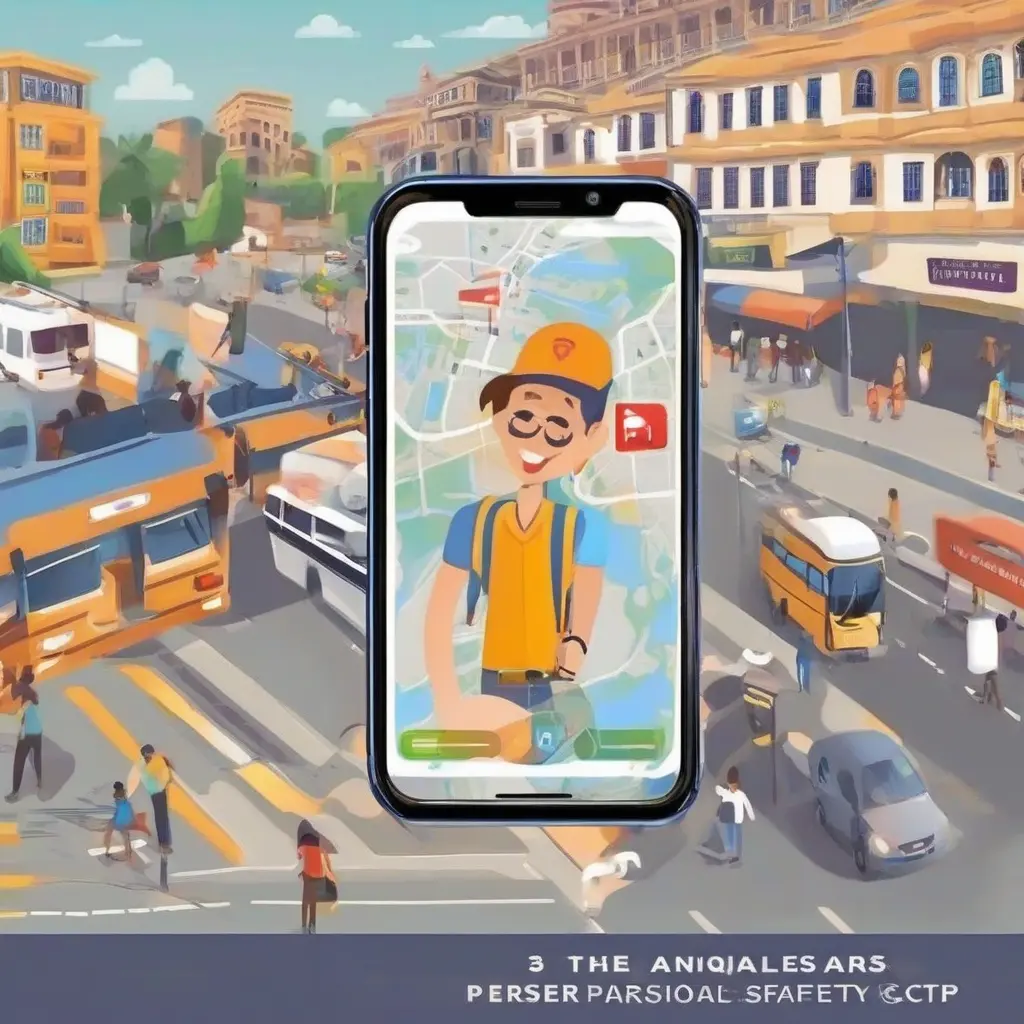
In today’s digital age, leveraging technology can aid in identifying scams while traveling. Use reputable navigation apps to track your routes and estimated fares, especially for rideshares or public transport. Additionally, travel forums and community apps can offer real-time warnings about potential scams. Ensure your mobile devices are secured and equipped with necessary safety applications. By staying connected and informed, technology can serve as a valuable ally in your travel safety toolkit.
Safeguarding Personal Information
Keeping your personal information secure is vital while traveling. Be cautious when sharing details such as your travel itinerary, hotel, or financial information, especially in public places. Scammers often use social engineering tactics to extract sensitive data. Cover your credit card details while making payments and consider using a virtual card for online transactions. By being vigilant about who you share information with, you can significantly reduce your risk of identity theft and financial fraud.
Dealing with Currency Exchange Scams
Currency exchange scams are prevalent in tourist-heavy areas where travelers may be unfamiliar with the local currency. Always use authorized currency exchange outlets or ATMs located in secure areas to avoid manipulated exchange rates. Be wary of individuals offering overly favorable exchange rates; they may attempt to swindle you with counterfeit bills or hidden fees. Familiarizing yourself with the current exchange rate and carrying small denominations can help you navigate these situations more effectively.
Responding to Scams when they Occur
Knowing how to respond if you encounter a scam is essential for maintaining safety and composure. Stay calm and avoid confrontation, as many scammers may react aggressively. If you realize you’ve been scammed, document everything, including the location, time, and description of the individual involved. Reporting the incident to local authorities can aid in preventing future scams. Additionally, sharing your experience with fellow travelers can help others avoid similar situations.
Involving Local Authorities
Involvement of local authorities can be crucial when dealing with scams while traveling. If you fall victim to a scam or witness suspicious behavior, report it to the nearest police station or tourist office. Many tourist destinations have dedicated resources to assist travelers in distress. Having documentation, such as your travel insurance details, can aid in resolving issues more efficiently. By engaging with local authorities, you not only seek assistance but also help improve the safety of the travel environment for others.
Travel Insurance as a Safety Measure
Obtaining travel insurance can act as a safety net against fraud while traveling. Comprehensive policies often cover various incidents related to theft and travel disruptions. When selecting insurance, ensure it includes protection against scams or identity theft. Read the policy carefully to understand the coverage extent and procedures for filing claims. With proper travel insurance, you can travel with added peace of mind, knowing you have a resource to turn to in case of an unfortunate event.
Staying Aware of Local Laws
Familiarizing yourself with local laws can play an essential role in avoiding scams. Different countries have diverse regulations that may affect how security and emergency services operate. Understanding your rights as a traveler can empower you to handle scams effectively. Researching local customs and legal procedures allows you to navigate issues without unnecessary complications. Always carry identification and have contact information for your embassy readily available in case you need assistance.
Conclusion
Awareness and preparation are key to safely navigating the complexities of travel scams. By recognizing common scams, staying informed, and employing proactive strategies, you can significantly reduce your risk of falling victim to fraud. Engaging with local customs and authorities while safeguarding your personal information also enhances your travel experience, allowing you to focus on what truly matters—enjoying your adventures. Travel smartly, and your journey can be enriching and safe.