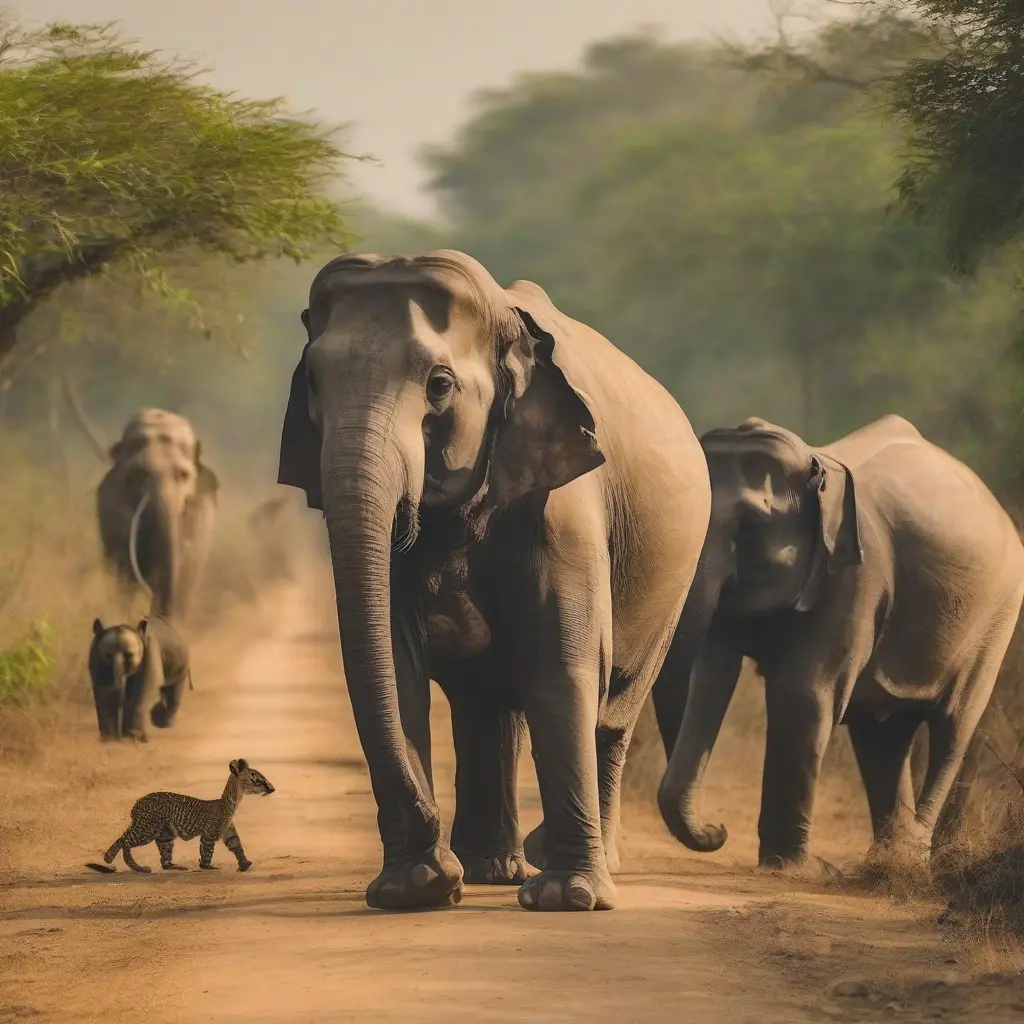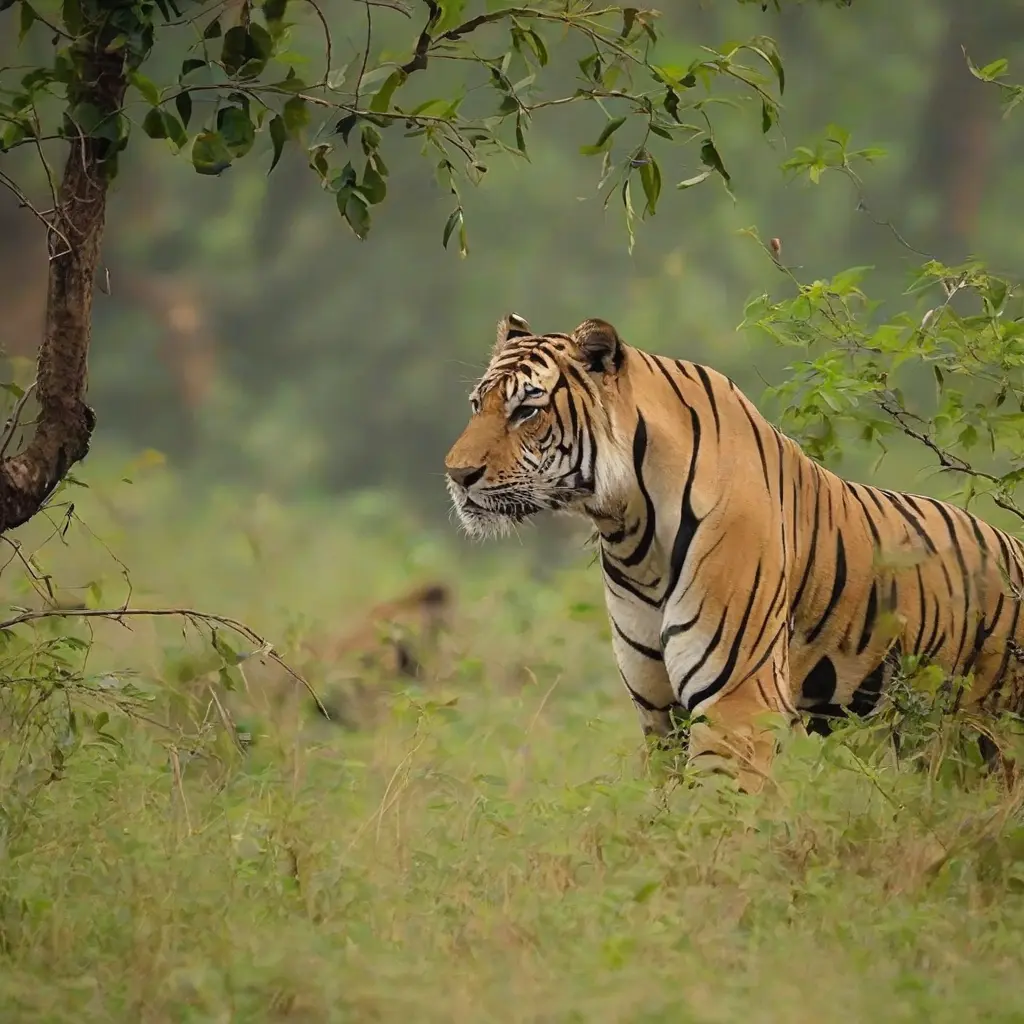
India is home to a rich tapestry of wildlife sanctuaries, each offering a unique glimpse into the country’s diverse ecosystems. These sanctuaries not only preserve endangered species but also provide a haven for nature lovers and adventure enthusiasts. From the majestic tigers of Ranthambore to the serene elephants of Periyar, travelers can immerse themselves in the stunning landscapes and rich biodiversity. This comprehensive guide will highlight some of the best wildlife sanctuaries in India, focusing on their unique offerings, best visiting times, and how to make the most of your visit.
Ranthambore National Park: A Tiger Haven
Ranthambore National Park, located in Rajasthan, is one of the largest and most renowned national parks in India. Famous for its tiger population, it offers visitors a chance to catch a glimpse of these magnificent felines in their natural habitat. The park features a mix of deciduous forests, open grasslands, and stunning ancient ruins, making it a photographer’s paradise. In addition to tigers, visitors can spot various other species such as leopards, Indian crocodiles, and numerous migratory birds. The best time to visit is from October to April, ensuring a thrilling wildlife experience.
Kaziranga National Park: Home of the One-Horned Rhinoceros
Kaziranga National Park in Assam is a UNESCO World Heritage Site, famous for its population of the Indian one-horned rhinoceros. The park spans over 430 square kilometers and consists of vast grasslands, wetlands, and dense forests, providing a perfect habitat for an array of wildlife. Visitors can enjoy jeep safaris and elephant rides, giving them an up-close look at not only rhinoceroses but also elephants, tigers, and a variety of birds. The best time to explore Kaziranga is from November to April when the weather is pleasant, and wildlife sightings are abundant.
Sundarbans National Park: The Mangrove Marvel
Sundarbans National Park, located in West Bengal, is the largest mangrove forest in the world, known for its unique ecosystem and picturesque landscapes. This UNESCO World Heritage Site is famous for its Royal Bengal Tigers and diverse fauna including crocodiles and various bird species. The park’s intricate waterways can be traversed via boat safaris, offering a unique perspective on the wildlife and the breathtaking beauty of the mangroves. The best time to visit Sundarbans is during the winter months from November to February, when the weather is ideal.
Periyar Wildlife Sanctuary: Nature’s Retreat
Periyar Wildlife Sanctuary, nestled in Kerala, is renowned for its picturesque landscapes and rich biodiversity. The sanctuary is centered around the Periyar Lake, which adds to the scenic beauty and offers opportunities for boat rides, allowing visitors to see elephants, deer, and various bird species. Trekking and guided nature walks are also popular here, providing a closer look at the rich flora and fauna. The best time to visit Periyar is between December and April when the climate is pleasant, making it ideal for wildlife exploration.
Bandhavgarh National Park: The Land of Tigers
Bandhavgarh National Park in Madhya Pradesh is known for having one of the highest densities of Bengal tigers in the world. The park’s rugged topography and dense forests contribute to its unique biodiversity. Visitors can explore scenic trails and enjoy jeep safaris that provide thrilling wildlife encounters. In addition to tigers, Bandhavgarh is home to leopards, deer, and a rich variety of birds. The ideal time to visit Bandhavgarh is from October to June, ensuring optimal wildlife spotting opportunities while experiencing the park’s stunning natural beauty.
Jim Corbett National Park: A Nature Lover’s Paradise
Jim Corbett National Park, situated in Uttarakhand, is India’s first national park and a pioneering sanctuary for wildlife conservation. Famous for its stunning landscapes and diverse wildlife including tigers, elephants, and many species of birds, it’s a must-visit for nature enthusiasts. Visitors can enjoy a variety of activities such as jeep safaris, elephant rides, and guided nature walks. The best time to visit is from November to June when wildlife is most active. Jim Corbett offers something for every traveler, ensuring unforgettable experiences amid nature.
Nagarhole National Park: A Hidden Gem
Nagarhole National Park in Karnataka is a lesser-known yet breathtaking sanctuary that boasts a rich variety of wildlife and picturesque landscapes. The park is famous for its dense forests, open grasslands, and thriving populations of tigers, elephants, and wild boars. Visitors can partake in jeep and boat safaris, providing unique opportunities for animal sightings. The area also supports numerous bird species, making it a haven for birdwatchers. The best time to visit Nagarhole is from November to May, when the weather is suitable for wildlife viewing.
The Importance of Wildlife Sanctuaries
Wildlife sanctuaries play a crucial role in conserving biodiversity and protecting endangered species. They serve as essential habitats for numerous flora and fauna, ensuring ecological balance and promoting conservation efforts. These sanctuaries not only support wildlife but also create awareness among visitors about the importance of conservation. By visiting these protected areas, tourists contribute to the local economy and support initiatives aimed at preserving natural habitats. Responsible tourism in these sanctuaries fosters a harmonious relationship between nature and humans.
Tips for Visiting Wildlife Sanctuaries
When planning a trip to wildlife sanctuaries, consider the best times for wildlife viewing and the type of experiences you seek. Always follow the park rules and guidelines to ensure both your safety and the safety of the animals. Wear comfortable clothing and sturdy shoes suitable for uneven terrain. Additionally, maintain a respectful distance from wildlife and avoid feeding them. Carry binoculars and a camera for capturing unforgettable moments. Lastly, booking guided tours can enhance your experience by providing knowledgeable insights into the local flora and fauna.
Conclusion
Exploring India’s diverse wildlife sanctuaries offers an enriching experience for nature enthusiasts, presenting opportunities to see some of the world’s most fascinating species in their natural habitats. From the regal tigers of Ranthambore to the one-horned rhinoceros in Kaziranga, each sanctuary has its own unique charm. By visiting these sanctuaries, travelers contribute to conservation efforts and develop a deeper appreciation for the natural world. As you plan your next adventure, consider immersing yourself in the beauty of India’s wildlife sanctuaries for an unforgettable journey.