Traveling in India offers a rich tapestry of culture, history, and culinary delights, but it’s also important to be mindful of pollution levels in various cities. Air quality can fluctuate greatly due to traffic, industrial activities, and seasonal changes, making it essential for travelers to take preventative measures. Understanding how pollution affects health and knowing simple strategies to minimize exposure can enhance your travel experience and keep you feeling your best.
Understanding Pollution Levels in India
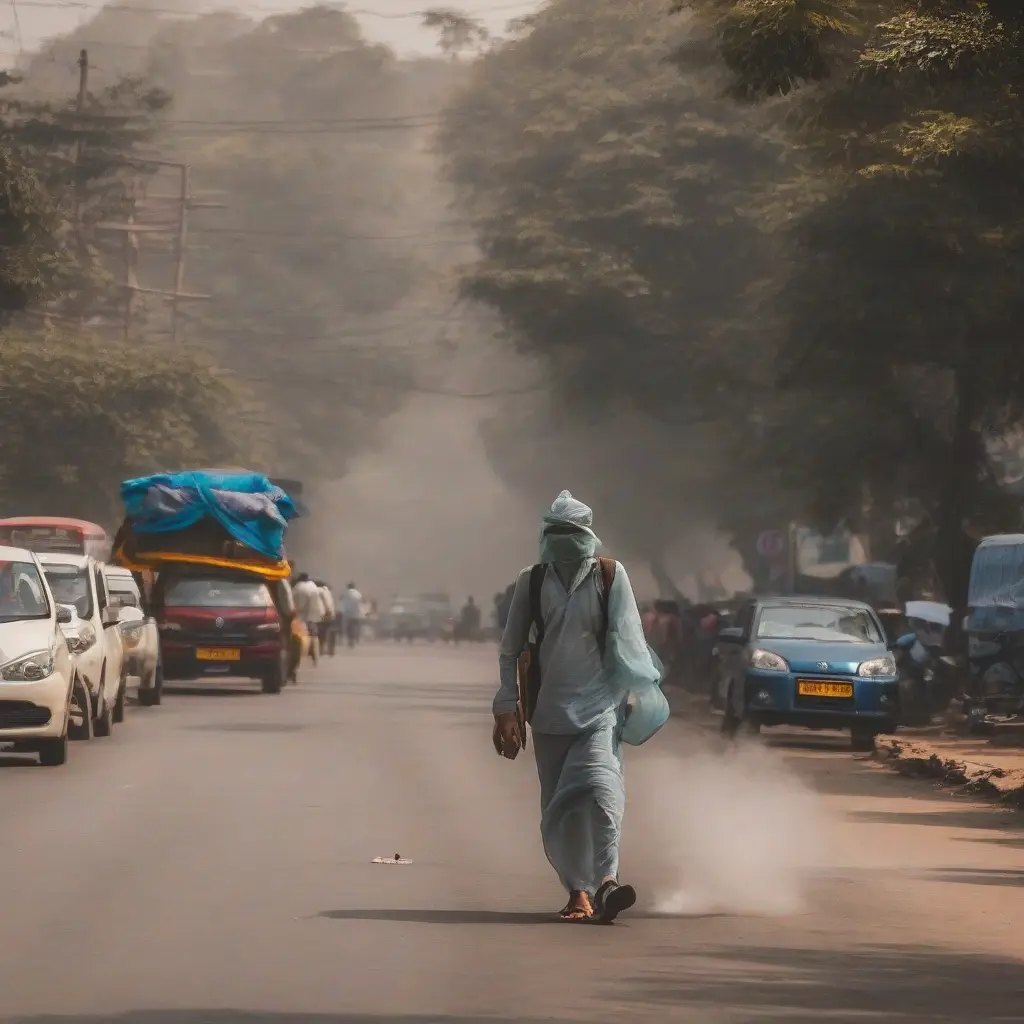
India faces significant air quality challenges, particularly in metropolitan areas like Delhi, Mumbai, and Kolkata. The primary sources of pollution include vehicular emissions, construction dust, and industrial waste. During certain times of the year, such as winter, pollution levels can spike due to weather patterns that trap smog close to the ground. Travelers should familiarize themselves with real-time air quality indexes and be aware of conditions in the specific regions they plan to visit.
Timing Your Travels Wisely
Selecting the right time to travel can greatly influence your exposure to pollution. For instance, visiting during the monsoon season, which typically occurs from June to September, may lead to cleaner air as rain tends to wash away particulate matter. Alternatively, if you’re traveling in the winter months, it’s beneficial to plan your activities during times when pollution levels are lower, usually in the afternoon as temperatures rise and air quality improves.
Monitoring Air Quality
Utilizing mobile applications and websites to monitor air quality can help you make informed decisions during your travels. Apps such as AirVisual, AQICN, and local weather services can provide real-time updates on pollution levels. Keeping an eye on air quality allows you to schedule outdoor activities or excursions during clearer periods. This habit not only enhances your travel experience but also ensures that you stay safe from harmful air pollutants.
Wearing Protective Masks
Wearing a protective mask is one of the simplest and most effective ways to shield yourself from air pollution while traveling in India. N95 masks are particularly useful, as they filter out harmful particles in the air. When venturing into crowded or highly polluted areas, it’s wise to wear a mask to minimize inhalation of pollutants. Additionally, make sure the mask fits securely and is comfortable for extended wear, especially during city tours or sightseeing.
Staying Indoors During High Pollution Days
On days when air quality reports indicate high pollution levels, it’s advisable to limit your time outdoors. Instead, consider engaging in indoor activities such as visiting museums, shopping centers, or galleries. Many cities also feature air-conditioned facilities that filter indoor air, providing a cleaner environment. Planning your itinerary around air quality forecasts can help maintain your health while allowing you to enjoy the cultural richness of Indian cities.
Choosing Accommodations Wisely
When selecting accommodations, consider choosing places known for good indoor air quality. Many hotels now prioritize air purification systems and regularly maintain their environments to ensure guest safety. Look for properties that offer amenities such as indoor plants, air purifiers, and filtered air systems. Additionally, booking accommodations with a location away from busy streets can reduce exposure to outdoor pollution and enhance your overall comfort.
Staying Hydrated
Staying properly hydrated is vital when you’re exposed to pollution. Drinking plenty of water helps to flush out toxins from your body and can mitigate some adverse health effects linked to poor air quality. Herbal teas and fresh juices can also be beneficial. It’s essential to keep your body well-hydrated, especially when you’re in a potentially polluted environment, as this supports your immune system and overall well-being.
Using Air Purifiers and Humidifiers
In addition to selecting accommodations with good air quality, consider bringing small portable air purifiers or humidifiers if you are concerned about pollution. These devices can significantly enhance indoor air quality by reducing dust and allergens. While this may not be feasible for all travelers, using them in hotel rooms can create a fresher atmosphere, especially if you’re staying in areas with noted air quality issues.
Maintaining a Balanced Diet
Eating a healthy and balanced diet can strengthen your immune system against pollution-related health issues. Foods rich in antioxidants, such as fruits and vegetables, can help combat oxidative stress from polluted air. Incorporating items like garlic, ginger, and turmeric can further bolster your immune defense. Staying mindful of your diet while traveling ensures that you’re not only enjoying local cuisine but also taking steps to protect your health.
Seeking Medical Advice
If you have pre-existing respiratory conditions or other health concerns, consulting a healthcare professional before traveling can be beneficial. They can offer personalized advice and, if necessary, prescribe medications to help manage symptoms related to pollution exposure. It’s also useful to carry necessary medications, such as inhalers, during your travels to ensure you are prepared for any unexpected changes in air quality.
Conclusion
Traveling in India doesn’t have to be hindered by concerns over pollution. By being proactive and implementing simple strategies such as monitoring air quality, choosing proper accommodations, and engaging in health-conscious practices, you can enjoy your travels with greater assurance. Taking these steps will allow you to immerse yourself in the vibrant culture and breathtaking sights India has to offer while maintaining your health.