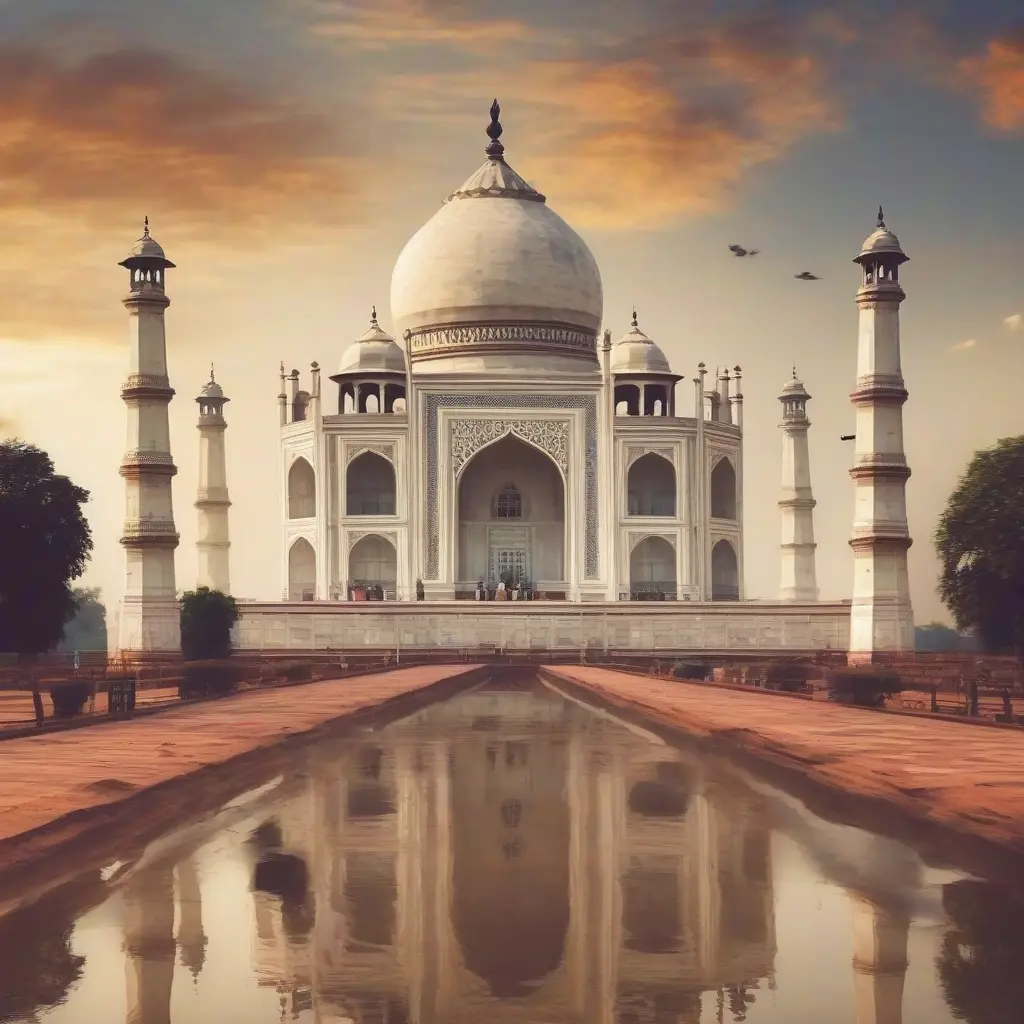
Traveling to India can be an enriching experience, but it also presents unique challenges due to its diverse cultures and customs. Understanding these cultural considerations is crucial for ensuring a safe and respectful journey. This guide provides practical insights for foreigners, from navigating social etiquette to being aware of local laws and traditions. By embracing these cultural nuances, travelers can foster positive interactions and gain a deeper appreciation for India’s rich heritage.
Understanding Indian Social Etiquette
Social etiquette in India varies significantly across regions, making it essential for travelers to be aware of local customs. Greetings often involve a polite ‘Namaste,’ accompanied by a slight bow. Avoiding physical contact, especially with the opposite sex in conservative areas, is advisable. While casual conversation is welcome, topics like religion and politics may provoke strong opinions. Additionally, addressing individuals with honorifics, such as ‘ji’ after names, reflects respect and helps forge positive relationships.
Dress Appropriately for the Setting
Dressing appropriately is a vital aspect of navigating India’s cultural landscape. In urban areas, western attire is generally accepted; however, modesty is key, especially in rural or sacred sites. Women are encouraged to wear clothing that covers their arms and legs, while men should avoid shorts in temples. Traditional garments like saris for women and kurtas for men can enhance authenticity and also earn respect from locals. Overall, adopting a culturally sensitive dress code fosters goodwill and minimizes unwanted attention.
The Importance of Food Etiquette
Food is a significant part of Indian culture, and understanding dining etiquette is essential for foreigners. Many meals are enjoyed communally, and it’s polite to wait for the host to begin eating. Using right hands for eating is customary since the left hand is considered unclean. Additionally, be mindful of dietary restrictions, particularly regarding vegetarianism, which is widely practiced. Asking about ingredient preparations shows respect for local dining customs and helps avoid misunderstandings.
Navigating Religious Sensitivities
India is home to multiple religions, each with distinct practices and beliefs. Visitors should approach religious sites with reverence, often adhering to specific attire guidelines, such as removing shoes. Understanding the significance of various rituals can deepen respect and enhance the travel experience. It’s advisable to observe the locals without being intrusive and to ask for permission before photographing individuals or sacred spaces. Being aware of local religious practices helps navigate potentially sensitive situations gracefully.
Respecting Personal Space and Boundaries
Concepts of personal space can differ dramatically in India compared to western countries. Crowded public spaces often result in closer physical proximity than some might be accustomed to. While conversations may be lively and intimate, personal boundaries should still be respected. It’s important to gauge reactions if someone appears uncomfortable, especially in private interactions. Being observant and adaptable to local norms regarding personal space lessens the risk of misunderstandings and fosters better communication.
Understanding Local Laws and Regulations
Familiarizing oneself with local laws and regulations is crucial when traveling in India. Some laws may surprise foreigners, such as strict prohibitions against public intoxication and certain behaviors in public spaces. Drug laws are particularly stringent and carry severe penalties. It’s advisable to carry a copy of important documents, including visas and identification, to avoid complications. Compliance with local laws not only ensures personal safety but also demonstrates respect for the host country.
Safety Tips for Travelers
While India is generally safe for travelers, adopting a few safety tips enhances personal security during your journey. Avoiding isolated areas, particularly at night, and being cautious with personal belongings can mitigate risks. Regularly updating family or friends about your itinerary provides an added layer of safety. Utilizing legitimate transportation options instead of hitchhiking or unregistered taxis further reduces the likelihood of mishaps. Being vigilant and aware of your surroundings allows for a more enjoyable experience.
Communicating Effectively in India
Effective communication goes beyond language in India, where a variety of dialects and languages are spoken. While many Indians are fluent in English, utilizing basic Hindi phrases can enhance interactions. Phrases like ‘Shukriya’ (thank you) and ‘Kya haal hai?’ (how are you?) can bridge gaps and endear travelers to locals. Moreover, active listening and observing body language are crucial for understanding responses, even when words fall short. Such efforts often lead to richer and more rewarding conversations.
The Role of Bargaining in Commerce
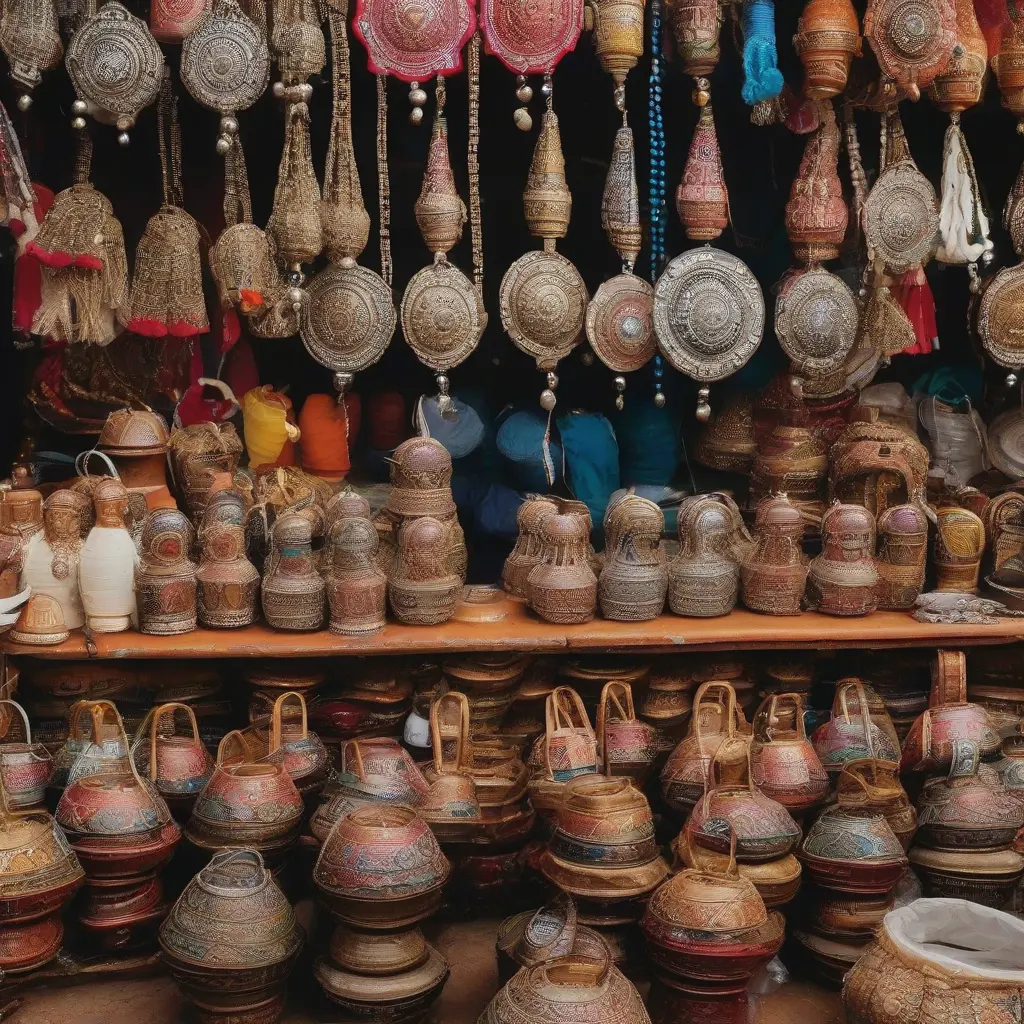
Bargaining is a common practice in India, especially in local markets. Understanding the art of negotiation not only saves money but also fosters rapport with vendors. Starting negotiations at about half of the initial asking price is typical, and it requires patience and good humor. Observing local practices can also provide insights into what is considered acceptable. Respecting the vendor’s position while aiming for a fair deal creates a positive purchasing experience and encourages cultural exchange.
Conclusion
Traveling in India can be an incredible journey filled with vibrant culture and experiences. By understanding and respecting local customs, safety practices, and social norms, foreigners can navigate their travels more effectively. Such awareness not only enriches personal experiences but also promotes positive interactions with locals, ultimately leading to a more rewarding travel experience.