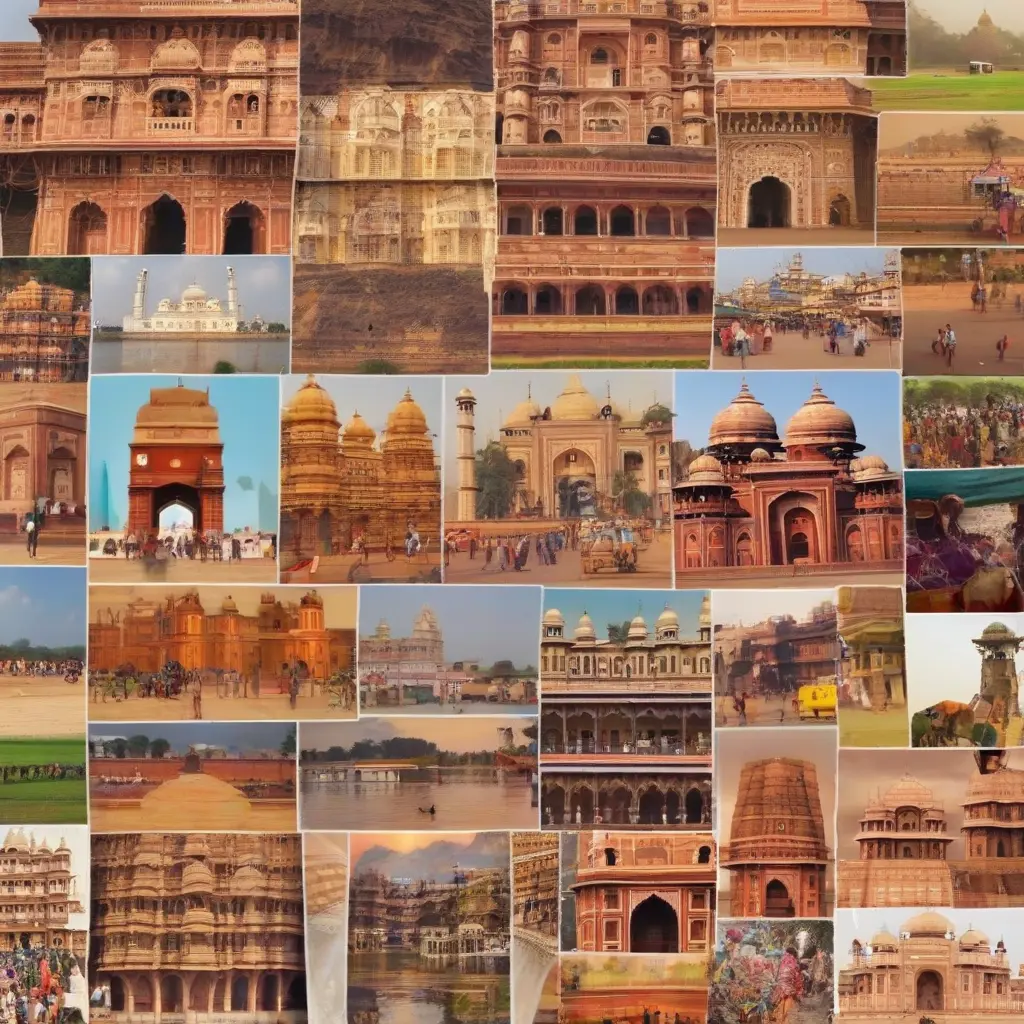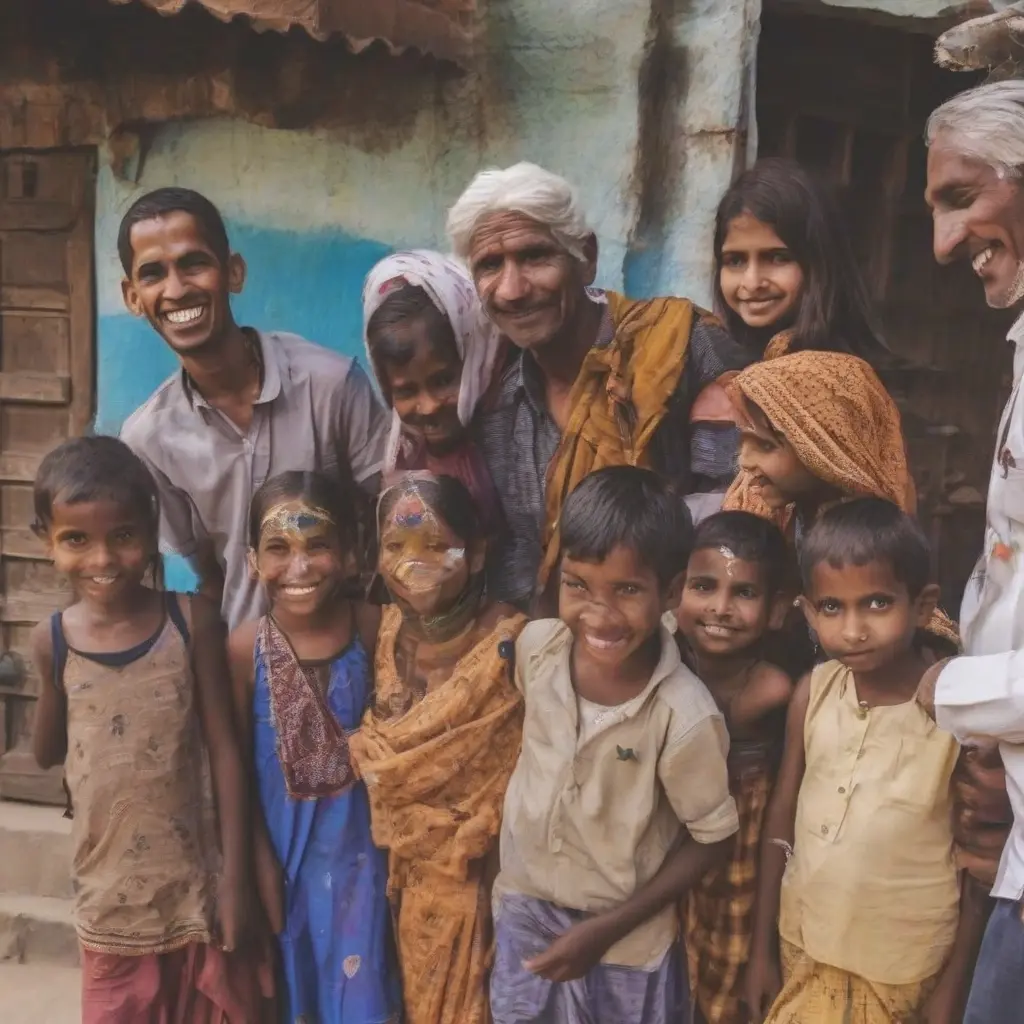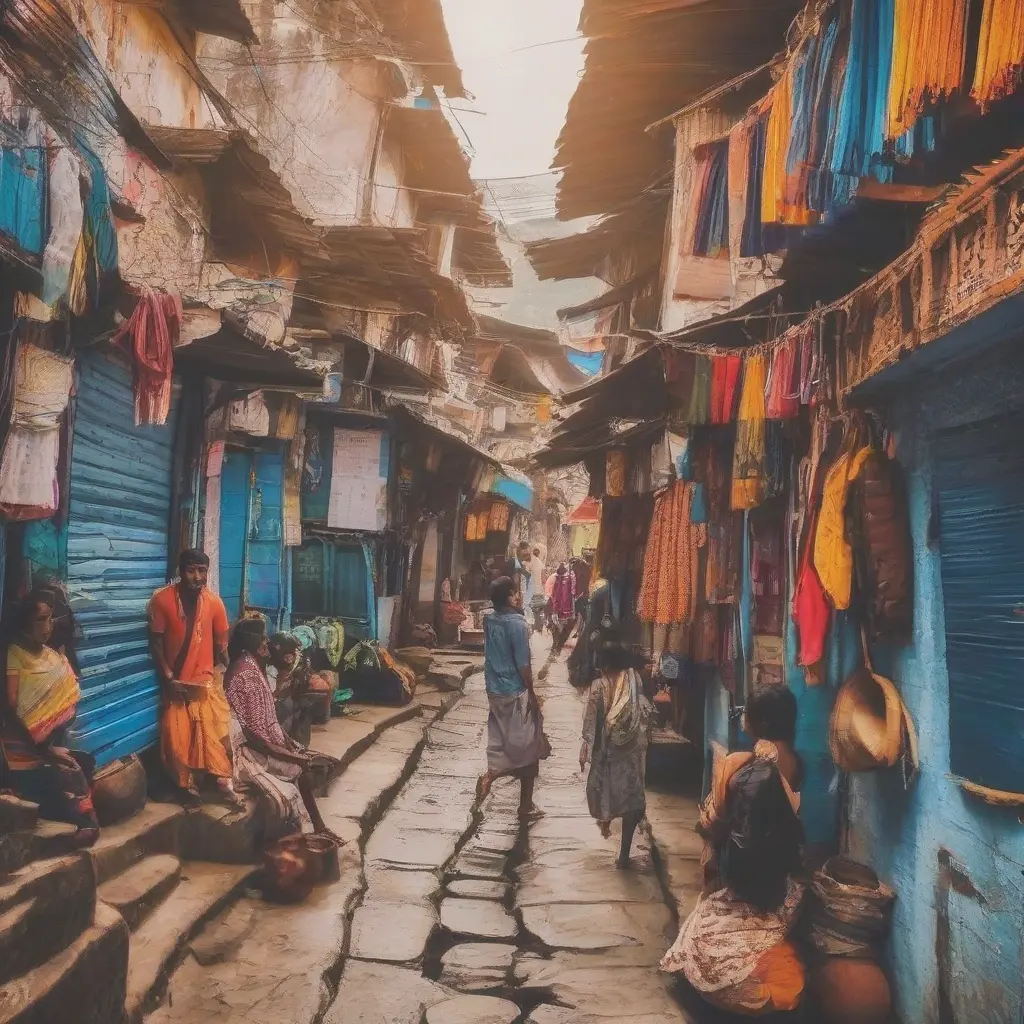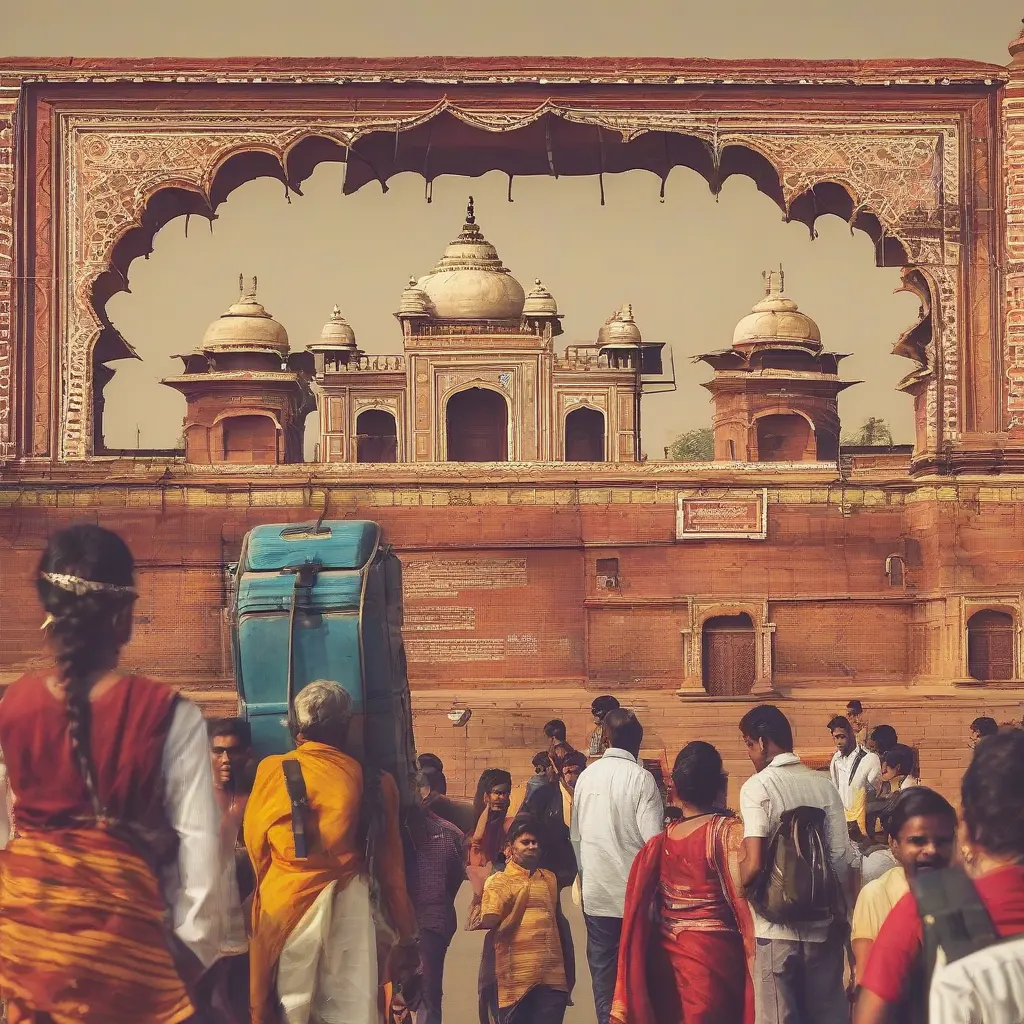
Traveling to India offers a wealth of experiences, but it also presents unique health challenges. From the vibrant street food to fluctuating weather conditions, it’s essential to prioritize your well-being to make the most of your journey. Effective strategies can help you navigate potential health risks, allowing you to enjoy both cultural and scenic beauty while minimizing health concerns. This guide outlines key practices that will ensure a healthier travel experience in India.
Research Vaccination Requirements
Before traveling to India, it’s crucial to review the recommended vaccinations. Common vaccines include Hepatitis A, Typhoid, and Tetanus, along with any additional boosters based on your past immunizations. Certain regions may also require vaccinations for diseases like Japanese Encephalitis or Rabies, particularly if you’re planning to visit rural or forested areas. Consulting with a healthcare provider at least four to six weeks prior to your travel allows enough time for vaccinations to take effect, ensuring you are well-protected against prevalent diseases.
Stay Hydrated Always
Hydration is essential, especially in India’s warm climate, which can lead to quick dehydration. It’s advisable to carry a water bottle at all times and drink only filtered or bottled water to avoid waterborne illnesses. Avoid ice in drinks and opt for sealed beverages instead. Additionally, consuming fruits and vegetables with high water content, like melons or cucumbers, can also help maintain hydration levels. Make sure to monitor your fluid intake, particularly if you’re engaging in activities that cause heavy sweating.
Practice Food Safety
Food safety is a significant concern for travelers in India due to varying hygiene standards. To minimize the risk of foodborne illnesses, steer clear of street food unless you are confident about its preparation and freshness. Choose fully cooked meals and avoid raw foods such as salads or unpeeled fruits. Opting for establishments with good reviews is advisable, as these are more likely to follow safety protocols. Moreover, carrying basic medications for stomach issues can also be beneficial.
Pack a Health Kit
Creating a health kit tailored for your trip can be an invaluable resource. Include essentials such as anti-diarrheal medications, pain relievers, antiseptic wipes, and insect repellent to guard against mosquito bites. Don’t forget personal medications, particularly if you have ongoing health concerns. Band-aids, sunscreen, and a basic first aid kit will come in handy for minor injuries, ensuring you’re prepared to handle health hiccups while traveling.
Adapt to Local Conditions
Adapting to local environmental conditions can greatly impact your health while in India. Acclimatize yourself gradually to the climate, especially if you’re arriving from a cooler environment. Be mindful of sun exposure; wearing a wide-brimmed hat and UV-protective clothing will help reduce sunburn risks. Understanding local pollution levels—particularly in big cities—can also guide your activities. Consider staying indoors during high pollution days or investing in a good quality mask to protect respiratory health.
Stay Active and Rested
Maintaining an active lifestyle during your travels can enhance your overall well-being. Engage in walking tours, hiking, or local fitness activities to keep your body moving. However, don’t forget the importance of rest. Traveling can be exhausting, and ensuring adequate sleep is crucial for immune support. Balance sightseeing with downtime; this ensures you stay refreshed and healthy throughout your trip, ready for every new adventure that comes your way.
Understand Local Health Services
Being informed about local health services can be a lifesaver in case of emergencies. Research and note the nearest hospitals or clinics in areas you plan to visit, focusing particularly on those that are well-reviewed. Some larger cities like New Delhi and Mumbai have modern medical facilities, while rural areas may offer limited services. It’s wise to familiarize yourself with any important health-related numbers and resources available in your travel locales, allowing you swift access to care when needed.
Respect Cultural Norms
Understanding and respecting cultural norms in India plays a significant role in your travel experience and health. Observations regarding cleanliness, dietary restrictions, and local customs can guide your decisions and mitigate potential health risks. Engaging with locals about food preparation practices or safe dining options ensures a smoother experience while respecting their traditions. Being adaptable and open-minded fosters not only better health outcomes but can also lead to enriching interactions with the people you meet.
Create a Flexible Itinerary
A flexible itinerary can enhance both your enjoyment and health during your trip. Allow for spontaneous opportunities to rest or explore new activities that might arise unexpectedly. Traveling can lead to fatigue, so having the option to modify your plans ensures you don’t overexert yourself. Schedule downtime between extensive travel days; this helps your body recover while making room for essential wellness activities, like yoga or meditation, which are popular in Indian culture and can promote relaxation.
Conclusion
Staying healthy during your Indian trip involves thoughtful preparation and awareness of your surroundings. By researching vaccinations, practicing food and water safety, carrying a health kit, and respecting local customs, you can safeguard your well-being. Moreover, staying active and creating a flexible itinerary helps balance exploration with necessary rest. Following these effective strategies makes for a more enjoyable and fulfilling travel experience in the diverse and vibrant landscape of India.