Traveling to India can be an enriching experience filled with culture, history, and diverse landscapes. However, understanding Indian visa requirements is crucial to ensure that your journey proceeds without a hitch. Tourists from various countries need to be aware of the different types of visas available, the required documentation, and the application process. This article provides essential information to help you navigate India’s visa landscape and prepare effectively for your visit.
Types of Indian Visas
India offers various types of visas catering to different purposes of travel. The most common types include tourist visas, business visas, and student visas. Tourist visas are typically valid for up to six months and allow travelers to explore the country. Business visas are designed for individuals traveling for business meetings, conferences, or investments, while student visas are issued to those enrolled in recognized educational institutions. Understanding the type of visa you need is the first step in the application process.
Eligibility Criteria for Indian Visas
To be eligible for an Indian visa, applicants must meet specific criteria. This includes having a valid passport, proof of sufficient funds, and travel itinerary. Each visa type may have unique requirements; for instance, business visa seekers often need an invitation from an Indian entity, while student visa applicants must provide proof of enrollment. It’s essential to carefully review eligibility criteria to avoid application rejections and ensure a smooth experience.
Documents Required for Visa Application
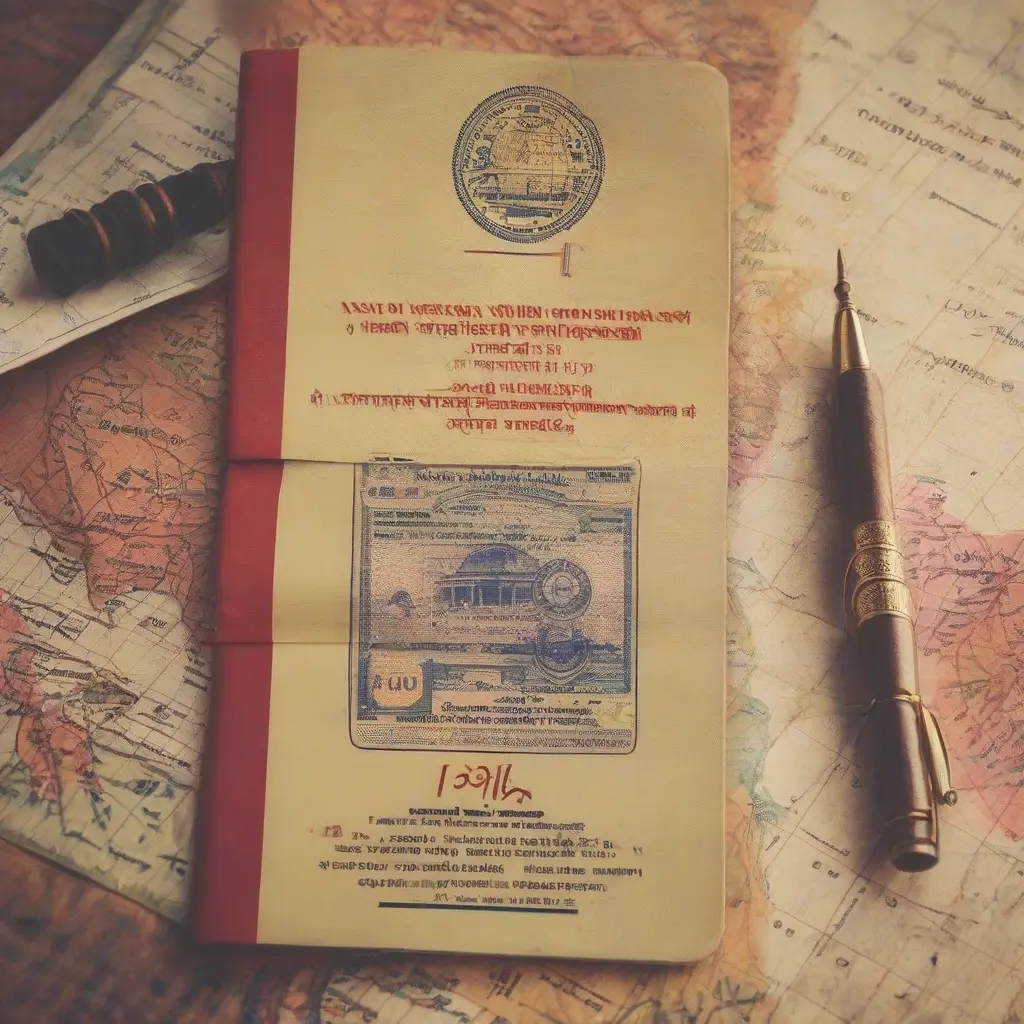
When applying for an Indian visa, specific documents are generally required. Common documents include a passport with at least six months validity, passport-sized photographs, proof of accommodation, and a travel itinerary. Additional documents may include financial statements and invitations for business or family visits. Having all necessary documents prepared and readily available will expedite the processing of your visa application and minimize delays.
Online Visa Application Process
The Indian government has streamlined the visa application process through an online platform. Applicants can complete the application form, upload their documents, and pay the visa fee online. This user-friendly approach simplifies the process for foreign travelers. After submitting the application, it is essential to track its status online, as this helps in planning your travel itinerary better and gives peace of mind.
Visa Fees and Payment Options
Visa fees vary depending on the type of visa and the applicant’s nationality. Generally, tourist visas are less expensive compared to business or student visas. Payment options typically include online credit card payments, bank transfers, or payment through authorized agents. Understanding the fee structure and payment methods is crucial, as this information directly affects your visa application process.
Processing Time for Indian Visas
The processing time for Indian visas can vary significantly based on the type of visa and the applicant’s country of origin. Generally, tourist visas may take anywhere from a few days to two weeks to be processed, while business and student visas may require additional processing time due to document verification. It is advisable to apply well in advance of your intended travel dates to avoid any last-minute issues.
What to Do After Visa Approval
Once your Indian visa application is approved, it’s essential to review the visa for accuracy. Check the validity date, type of visa, and any specific restrictions. Additionally, note that entry regulations may change, so staying updated on travel advisories is vital. It’s also helpful to keep both physical and digital copies of your visa on hand when traveling. This preparation ensures a seamless entry into India.
Common Mistakes to Avoid
Travelers often make mistakes that can complicate their visa applications. Common errors include submitting incomplete forms, providing inadequate supporting documents, or misjudging the validity period of their passport. To avoid these pitfalls, carefully review the application checklist and confirm all information is accurate before submission. Taking extra time to double-check details can save both time and stress in the long run.
Visa Renewal and Extension
If you find yourself wanting to stay longer in India than originally planned, understanding the visa renewal and extension process is crucial. Extensions may be granted under certain circumstances, such as medical emergencies or unforeseen travel disruptions. The application for extension typically requires a valid reason, supporting documentation, and may need to be submitted before your current visa expires. Researching this process ahead of time will ensure compliance with Indian regulations.
Travel Advisory and Safety Tips
Traveling to India can be a delightful experience, but maintaining awareness regarding travel advisories and safety tips is essential. Check the latest government advisories and stay informed about the regions you plan to visit, as safety conditions may vary. Additionally, adopting general safety practices such as securing your belongings and being cautious in crowded places can enhance your travel experience. Being well-prepared will make your trip enjoyable and secure.
Conclusion
Understanding Indian visa requirements is a key element of planning a successful trip to India. By familiarizing yourself with the types of visas, application processes, and necessary documentation, you can navigate this aspect of travel with confidence. Always stay informed about potential updates to visa regulations and adhere to travel advisories, ensuring that your journey to India is both safe and memorable.