Traveling to India can be a rewarding experience filled with rich culture and diverse landscapes. However, adapting to local customs and safety practices is essential to ensure a smooth journey. Understanding cultural norms, safety measures, and communication styles can help you navigate the complexities of this vibrant country. This guide will equip you with vital tips to enhance your travel experience while prioritizing your safety in various situations.
Understanding Local Customs and Traditions
India is home to a rich tapestry of customs and traditions that can differ widely from region to region. Understanding local etiquette, such as greetings and dining practices, is essential for respectful interactions. For example, while greeting someone, it’s customary to place your palms together in a ‘Namaste’ gesture. Additionally, when dining, be aware that many people eat with their right hand, and it’s considered impolite to touch food with the left hand. Observing these customs can greatly enhance interpersonal relations and show respect for Indian culture.
Cultural Sensitivity and Respect
Cultural sensitivity is paramount when traveling in India. Many communities hold deep spiritual beliefs, and it’s important to respect their practices. For instance, dress modestly, especially when visiting religious sites, to avoid drawing unnecessary attention. In temples, it is customary to remove footwear before entering, signifying reverence for the sacred space. Being mindful of local norms and showing appreciation for unique traditions can lead to more authentic experiences and friendships.
Food Safety Practices
Understanding food safety practices is crucial for ensuring your health while traveling in India. Street food is popular but can pose risks if not prepared hygienically. Opt for freshly cooked food and choose vendors who have a high turnover of customers, as this usually indicates fresher ingredients. Drinking bottled water and avoiding ice in beverages is also advisable. Being cautious about what you eat and where you eat can help prevent foodborne illnesses and enhance your experience.
Transportation Safety Tips
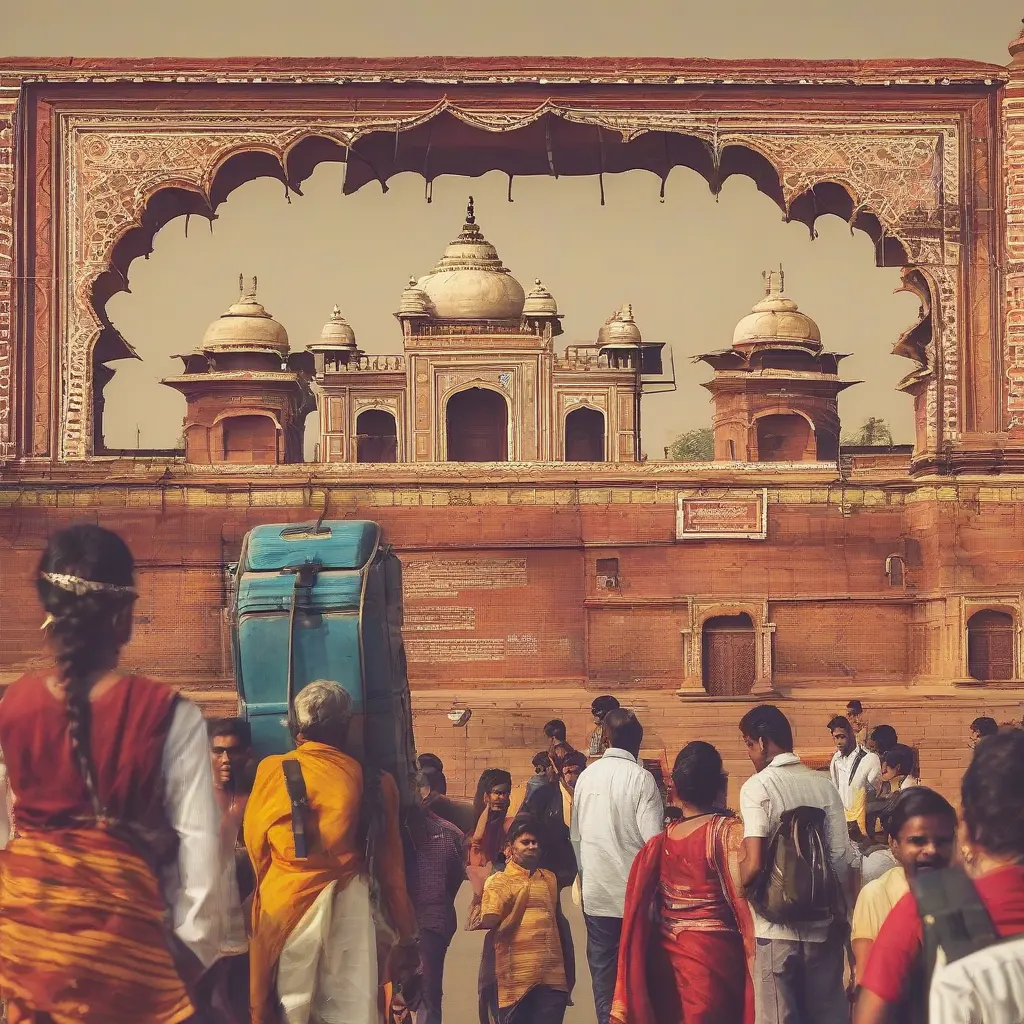
Transportation safety is a vital consideration for travelers in India. Using reputable transport services, such as registered taxis or rideshare apps, is advisable to avoid scams. When traveling by public transportation, keep your belongings secure and be aware of your surroundings. Buses and trains can be overcrowded, so staying alert can help you avoid unwanted attention. Familiarize yourself with local transport rules and practices to navigate the systems with ease.
Awareness of Scams
Being aware of common scams can keep you safe while traveling in India. Tourists may encounter individuals who pose as guides or offer unsolicited help with hidden motives. Always double-check information and be skeptical of overly friendly strangers. It’s wise to consult reliable travel guides or local residents for advice on trustworthy services and accommodations. By staying alert, you can enjoy your travel experiences without falling prey to deceitful practices.
Health Precautions and Vaccinations
Prioritizing health precautions is essential to ensure a safe trip to India. Consult a healthcare provider for recommended vaccinations based on your itinerary, as some areas may require specific immunizations. Carrying a basic medical kit, including common medications and supplies, can be beneficial for treating minor ailments. Staying hydrated and practicing good hygiene, such as regular handwashing, are simple yet effective ways to maintain your health while traveling.
Communication Considerations
Understanding basic communication considerations can enhance your interactions in India. While English is widely spoken, familiarity with a few local phrases can go a long way in making connections. Being polite and using simple language can help bridge potential gaps in understanding. Additionally, maintaining a courteous demeanor can foster more positive interactions. Awareness of body language and non-verbal cues is also important, as they may differ from your home country.
Staying Connected Safely
Staying connected while ensuring your safety is crucial during your travels in India. Local SIM cards are available for affordable mobile data, making it easier to navigate and stay in touch with family. However, be cautious about sharing personal information and only connect with secure networks. Using a VPN can enhance your online privacy, especially when accessing personal accounts in public spaces. Maintaining a balance of connectivity and caution can help you enjoy your trip without compromising your safety.
Emergency Contacts and Resources
Familiarizing yourself with emergency contacts and resources in India is essential for any traveler. Know the local emergency numbers, such as police, ambulance, and fire services, as they may differ from those in your home country. Additionally, keep a list of nearby hospitals and tourist assistance centers handy. Registering with your embassy can also provide an extra layer of security and assistance in unforeseen situations, ensuring you are well-prepared for any emergencies.
Conclusion
Adapting to local customs and implementing essential safety practices is key to having a positive traveling experience in India. By being mindful of cultural nuances, prioritizing your health, and staying alert to your surroundings, you can navigate this incredible country with ease. Embracing the local culture while ensuring your safety will not only enrich your travel experience but also foster meaningful connections during your journey.