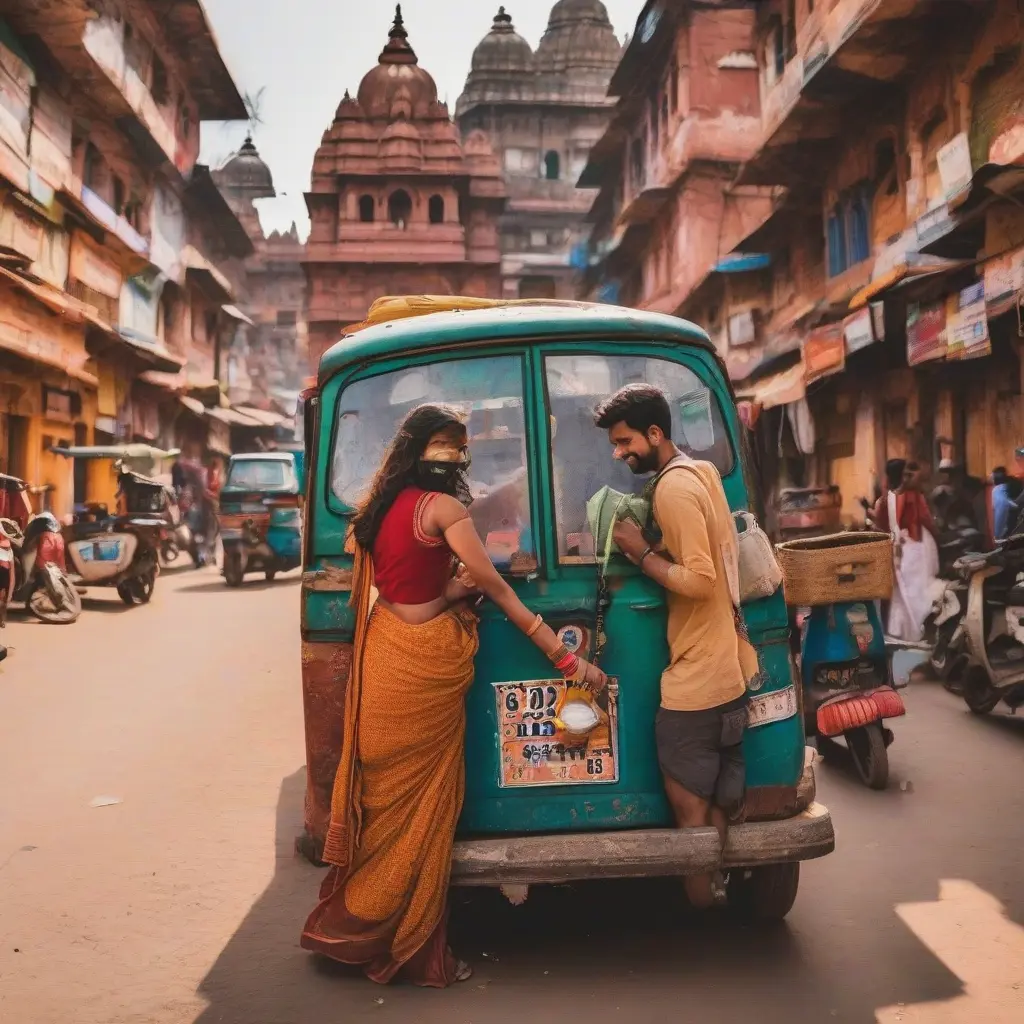
Traveling in India on a budget is both feasible and rewarding. With diverse attractions, rich culture, and tasty cuisine, it’s possible to experience this vibrant country without overspending. Planning wisely, knowing where to save, and embracing local experiences will enhance your journey significantly. From choosing affordable accommodations to using public transport, the options are endless. This guide covers essential tips to help travelers make the most of their adventure without breaking the bank, ensuring a memorable experience filled with wonderful discoveries.
Choose the Right Time to Travel
Selecting the best time to visit India can greatly impact your budget travel experience. The months from October to March offer pleasant weather, making it ideal for exploring various regions. Traveling during the off-peak season, such as the monsoon months from June to September, can result in lower accommodation prices and less crowded attractions. However, the rain may affect outdoor activities. Evaluating local festivals can also lead to unique cultural experiences, enabling you to enjoy the rich traditions without overspending.
Affordable Accommodations
Finding budget-friendly lodging is crucial for saving money while traveling in India. Hostels, guesthouses, and homestays often provide comfortable and inexpensive alternatives to hotels. Platforms like Airbnb and Booking.com allow travelers to compare prices across various types of accommodations. Staying in local neighborhoods rather than tourist hotspots can also result in lower costs. Additionally, consider checking for deals during the off-peak season to maximize savings while enjoying cozy and authentic experiences.
Using Public Transport Effectively
Navigating India using public transport can be both economical and immersive. The extensive rail and bus networks connect major cities and remote areas, making it easy to explore the country. Trains vary in comfort and prices, so booking in advance can secure better rates. Local buses, while less comfortable, offer an authentic travel experience. Metro systems in cities like Delhi and Mumbai provide quick and efficient transport at minimal costs. Opting for public transport not only saves money but also allows for engaging interactions with locals.
Savoring Local Cuisine on a Budget
Indian cuisine is diverse, and eating like a local can significantly reduce costs. Street food is not only affordable but also delicious and represents regional specialties. Dishes like vada pav, chaat, and dosa can be found at food stalls across various cities. Dining in local eateries or dhabas often offers meals at lower prices compared to international chains. Exploring markets for fresh produce and snacks also provides cost-effective options. This culinary adventure enables travelers to experience vibrant flavors while sticking to their budget.
Free and Low-Cost Attractions
Many attractions in India are either free or come with minimal entrance fees, making it easy to explore without overspending. Historical sites, temples, and natural parks often charge very little, and some offer free entry on specific days. Exploring local markets, beaches, and nature trails invites opportunities for cultural immersion without financial burden. Many cities also host free walking tours, allowing travelers to learn about their surroundings while enjoying a guided experience. Researching these attractions can shape an enriching itinerary that fits budget constraints.
Bargaining Tips for Shopping
Shopping in India can be an exciting yet challenging experience, especially when it comes to pricing. Many markets and street vendors expect haggling, so it’s essential to embrace this practice to secure the best deals. Begin negotiations with a friendly demeanor and be prepared to walk away if the price does not meet your budget. Understanding local prices for similar items can empower you during bargaining. Incorporating this skill not only saves money but also enriches interactions with local merchants and craftspeople.
Cultural Etiquette to Respect
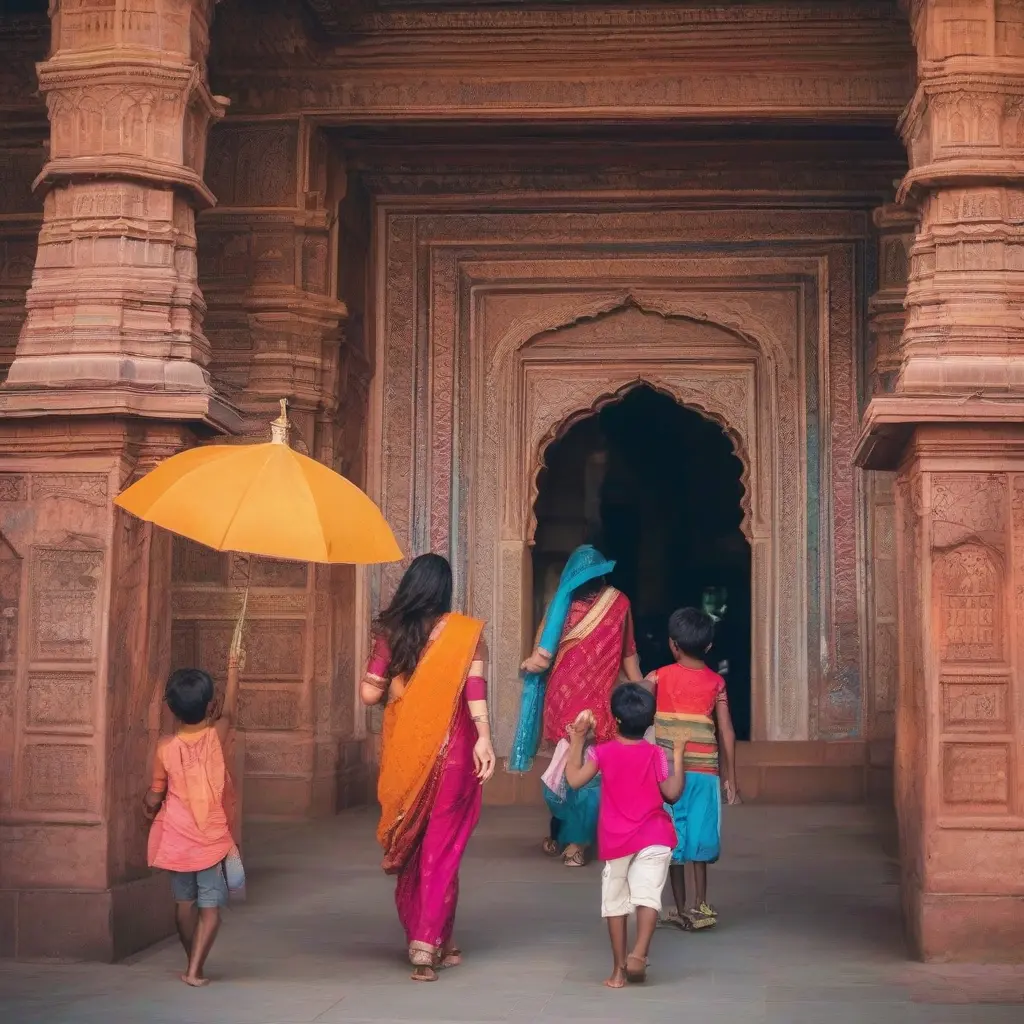
When traveling on a budget in India, being mindful of cultural etiquette enhances your experience significantly. Understanding local customs, such as dressing modestly in religious sites and greeting locals with respect, fosters positive interactions. Familiarize yourself with basic phrases in local languages; it goes a long way in building rapport. Participating in community events or local festivals offers insights into Indian culture and can be low-cost or even free experiences. Respecting cultural practices ensures a smoother journey, encouraging friendly exchanges and enriched memories.
Planning and Researching Your Itinerary
To make the most of a budget trip in India, meticulous planning and research are key. Creating a flexible itinerary allows you to balance must-visit sites with off-the-beaten-path destinations. Researching local transport options in advance can save time and money while ensuring efficient travel. Moreover, allocating specific days for bigger attractions and other days for exploration will allow you to discover hidden gems without feeling rushed. This thoughtful approach maximizes experiences while keeping finances in check, offering a fulfilling journey.
Conclusion
Budget travel in India is achievable with thoughtful planning and an open mindset. By choosing the right time to visit, embracing local culture, and utilizing affordable options for accommodations and transportation, travelers can enjoy a rich experience without overspending. The keys to a successful journey lie in understanding local customs, savoring delectable cuisine, and remaining flexible with your itinerary. Ultimately, exploring India on a budget allows you to connect more deeply with its vibrant culture and people, leading to unforgettable memories.