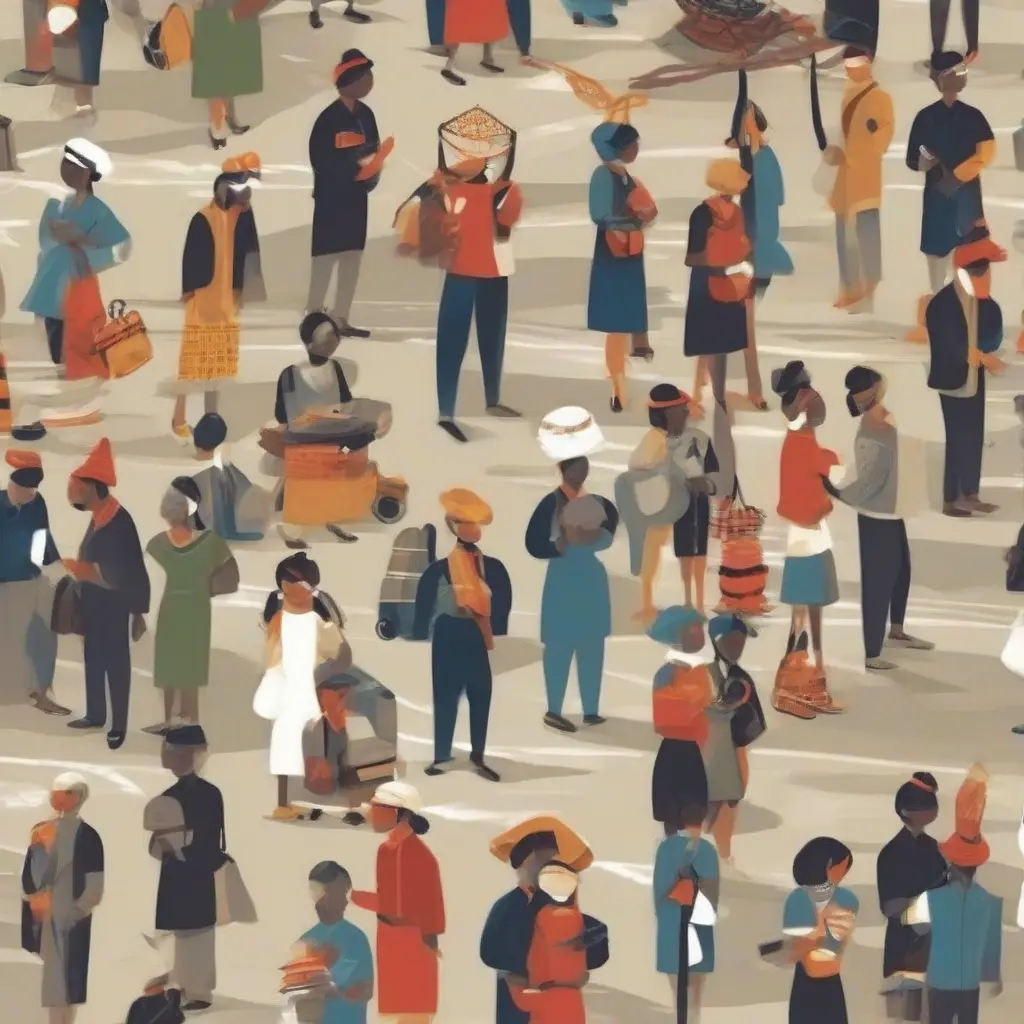
Understanding cultural etiquette around the world is essential for ensuring safety and fostering positive interactions while traveling. Each country has unique customs and practices that can significantly impact your experience. Recognizing and respecting these cultural norms not only enhances your journey but also promotes a sense of security in unfamiliar environments. As travel becomes increasingly popular, being informed about safety practices globally is more crucial than ever. This article explores various cultural etiquettes and safety measures that can leave a lasting impression and help build respectful relationships worldwide.
Understanding Local Customs
Every country has its own set of local customs that dictate behavior in various situations. For instance, in Japan, bowing is a common greeting, while in many Middle Eastern countries, a handshake may be expected with local men, but women may prefer not to engage physically. Understanding these nuances is essential to avoid unintentional disrespect. Moreover, being aware of dress codes in places of worship or public spaces can prevent misunderstandings. Prior research on specific customs can help travelers navigate social settings confidently and respectfully.
Communication Styles Across Cultures
Communication styles vary greatly from one culture to another, affecting how people interact and convey messages. In some Asian cultures, indirect communication is preferred, where subtle hints are more impactful than direct statements. In contrast, Western cultures often value straightforwardness and clarity. Miscommunication often arises when travelers enforce their expectations without understanding the underlying cultural contexts. Therefore, adapting communication styles can lead to better relationships and a more enjoyable experience in foreign environments.
Dining Etiquette: Global Differences
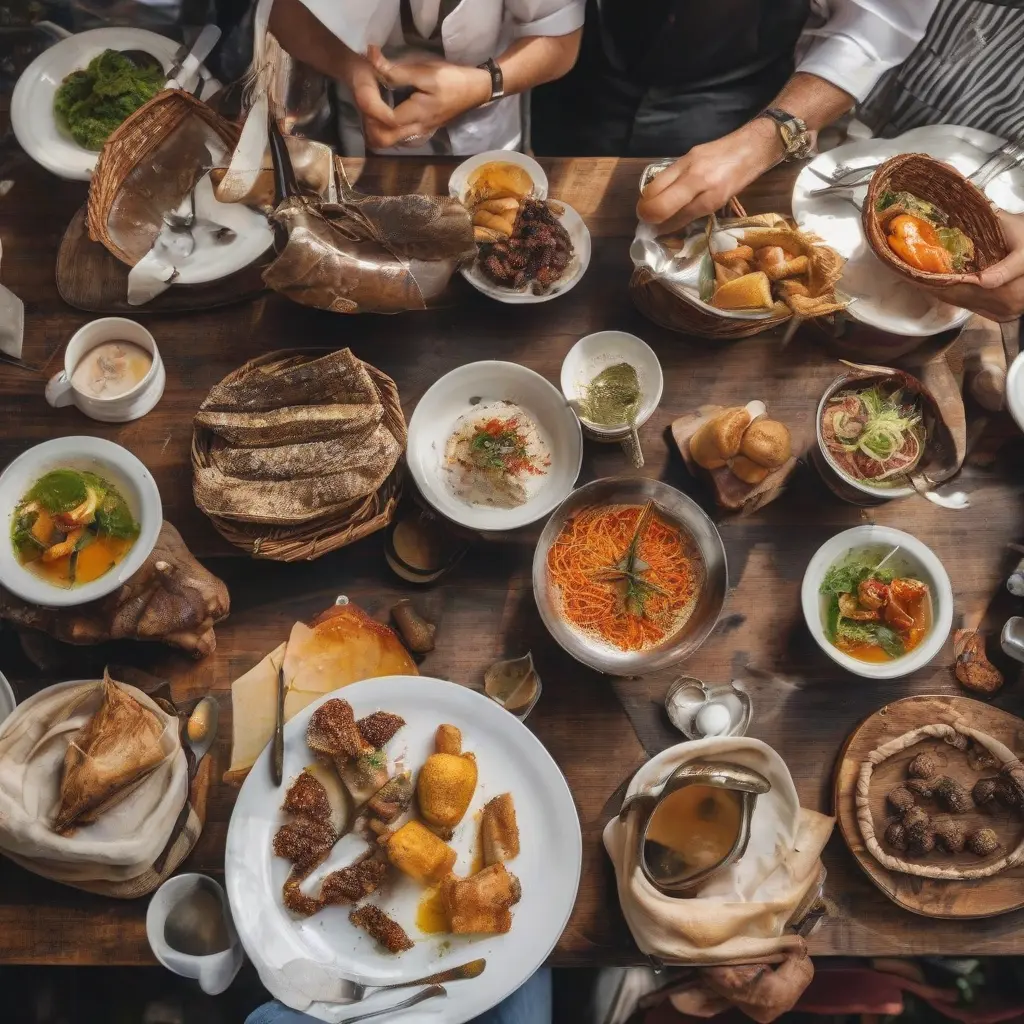
Dining etiquette is another area where cultural differences become evident. In countries like Italy, meals are a communal experience and often include multiple courses; rushing may be seen as disrespectful. Conversely, in many Asian countries, finishing food is a compliment. Understanding table manners, such as using specific utensils or following seating arrangements, is crucial in enhancing dining experiences abroad. By adhering to local dining customs, travelers can engage more meaningfully with hosts and fellow diners.
Understanding Personal Space and Touch
Personal space and physical touch norms vary widely, influencing how interactions are perceived across cultures. In some Latin American and Mediterranean countries, close physical proximity and touch during conversations are normal and signify warmth. Meanwhile, Northern European cultures typically prioritize more personal space, often leading to discomfort if these boundaries are not respected. Recognizing and adhering to local preferences regarding personal space can significantly enhance the comfort level of interactions as it prevents unintentional offense.
Safety Practices in Different Regions
Each region has distinct safety concerns and practices that travelers should be aware of. In countries with higher crime rates, it is advisable to remain vigilant, avoid displaying wealth, and adhere to local advice. Meanwhile, in some countries, social behaviors like public displays of affection may be frowned upon or even illegal. Familiarity with local laws and customs can prevent embarrassing or dangerous situations. Engaging with locals or consulting reputable travel guides can provide further insights into effective safety measures based on specific destinations.
Dress Codes and Cultural Sensitivity
The way you dress can communicate respect or disregard for local customs. In conservative cultures, modest attire is often required, especially when visiting sacred sites. Countries like Saudi Arabia and Iran have strict dress codes for both men and women, emphasizing the importance of covering one’s body. Conversely, in other regions, casual clothing may be perfectly acceptable. Researching and adhering to local dress codes is a simple yet effective way to show cultural sensitivity and avoid unwanted attention.
Gift Giving Etiquette
Gift giving can signify friendship and appreciation; however, customs associated with it can differ significantly. In cultures like Japan, the presentation is just as important as the gift itself, often requiring elaborate wrapping. In many Middle Eastern countries, offering gifts with the right hand is considered polite, as the left hand is viewed as unclean. Understanding these practices can affect the success of social interactions and relationships. Thoughtful consideration of local customs when giving gifts fosters goodwill and respect.
Handling Conflicts and Differences
Navigating conflicts in a culturally sensitive way is vital when differing perspectives emerge. Some cultures prioritize maintaining harmony, thereby avoiding direct confrontation for the sake of group cohesion. Conversely, in Western cultures, open discussions and problem-solving are common. Understanding how to approach conflicts, whether through indirect communication or addressing issues directly, can lead to better resolutions. Being adaptable and perceptive to local customs allows travelers to manage disagreements effectively while remaining respectful.
Cultural Etiquette in Travel Groups
Traveling in groups requires an additional layer of awareness regarding cultural etiquette, as group dynamics can influence individual behavior. It’s essential to ensure that all group members are acquainted with local customs to avoid public misunderstandings. One member’s faux pas can reflect poorly on the entire group. Encouraging open discussions about cultural norms within the group can help everyone stay informed and united, promoting a respectful travel experience for all participants.
Conclusion
Understanding cultural etiquette and safety practices is paramount for all travelers seeking enriching experiences worldwide. By respecting local customs, adapting communication styles, and adhering to safety measures, individuals can ensure memorable and positive interactions. The insights discussed here highlight the importance of preparation and awareness in navigating diverse cultures. Ultimately, a commitment to respecting cultural differences not only enhances personal safety but also deepens the appreciation of the invaluable experiences travel offers.