Traveling in India can be an exhilarating experience, filled with vibrant cultures, stunning landscapes, and mouth-watering cuisines. However, effective communication can often be a hurdle, especially when encountering diverse languages. Knowing some key phrases can greatly enhance your travel experience, helping you engage with locals, navigate through cities, and enrich your adventures. In this article, we present essential language phrases for travelers in India that will make your journey both enjoyable and memorable. Equip yourself with these phrases and communicate with ease wherever your travels take you.
Common Greetings in Indian Languages
Learning common greetings can go a long way in making a good first impression. In Hindi, ‘Namaste’ (नमस्ते) is a widely recognized greeting, suitable for any situation. This term conveys respect and is often accompanied by a slight bow and hands pressed together. In some regions, like Punjab, you can use ‘Sat Sri Akal’ (ਸਤ ਸ੍ਰੀ ਅਕਾਲ) for both greeting and farewell. Other languages such as Tamil also have their own greetings, such as ‘Vanakkam’ (வணக்கம்). Familiarizing yourself with these phrases not only shows respect but also opens doors to deeper interactions.
Essentials for Ordering Food
When dining in India, knowing how to order food can enhance your culinary experience. You may start with simple phrases such as ‘Kya aapke paas vegetarian options hain?’ (क्या आपके पास शाकाहारी विकल्प हैं?) meaning ‘Do you have vegetarian options?’ This is particularly important given the country’s significant vegetarian population. Additionally, a phrase like ‘Mujhe yeh chahiye’ (मुझे यह चाहिए) translates to ‘I would like this.’ Knowing some dish names in the local language will further help you navigate menus with ease.
Asking for Directions
Getting around in bustling Indian cities often requires clear communication. Basic phrases such as ‘Kya aap mujhe is sthan ka raasta bata sakte hain?’ (क्या आप मुझे इस स्थान का रास्ता बता सकते हैं?) meaning ‘Can you tell me the way to this place?’ can be invaluable. It’s also useful to know keywords like ‘left’ (बाएँ) and ‘right’ (दाएँ) in Hindi. Additionally, the phrase ‘Mujhe yahaan se kitna door hai?’ (मुझे यहाँ से कितना दूर है?) translates to ‘How far is it from here?’ Equipping yourself with these phrases ensures you navigate new environments with confidence.
Shopping Basics
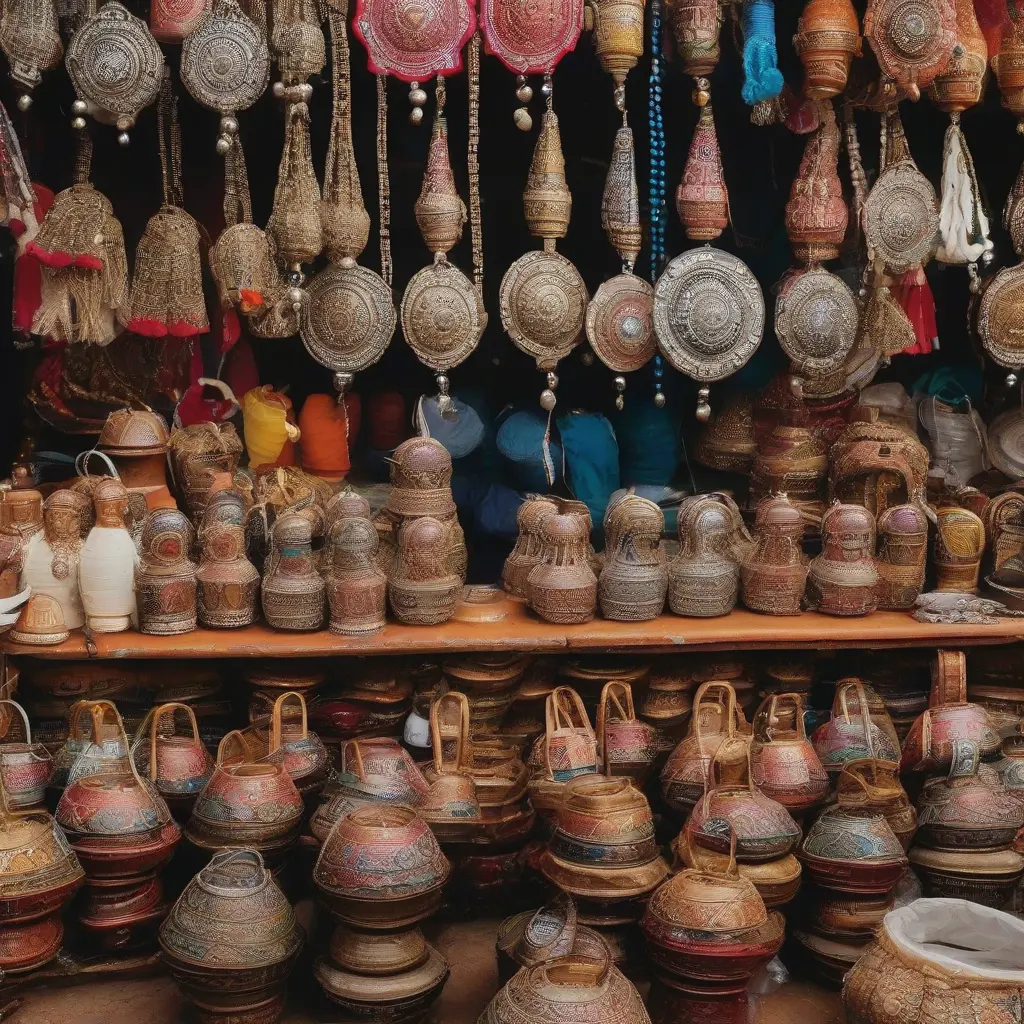
Shopping in markets and local stores is a delightful part of traveling in India, and knowing the basics can greatly enhance your experience. When negotiating prices, a useful phrase is ‘Kya yeh aakhri daam hai?’ (क्या यह आखिरी दाम है?), which means ‘Is this the last price?’ Understanding phrases like ‘Bahut mehenga hai’ (बहुत महंगा है), meaning ‘It’s very expensive,’ can help you negotiate more effectively. Furthermore, saying ‘Mujhe dekhna hai’ (मुझे देखना है) means ‘I want to see,’ which can be helpful when exploring various items.
Cultural Etiquette in Conversations
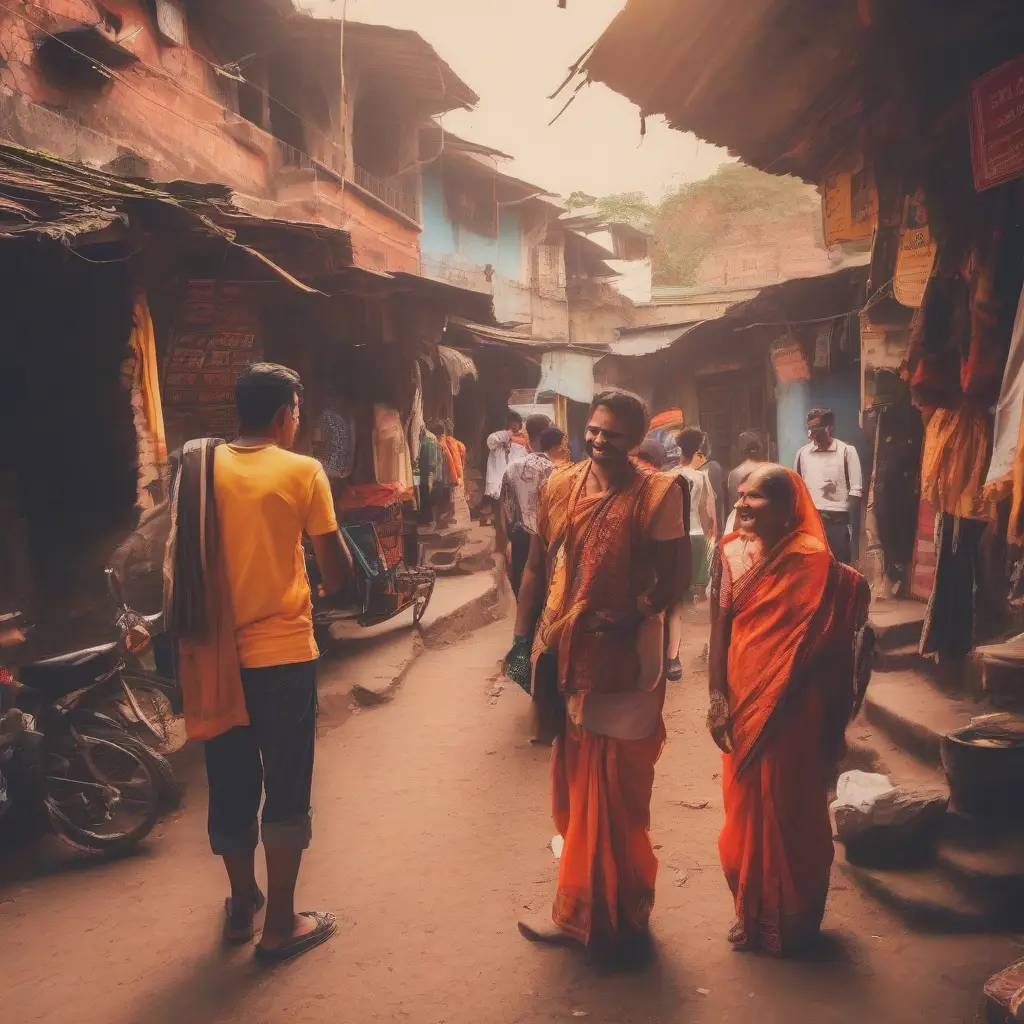
Cultural considerations are vital when engaging in conversations in India. A respectful interaction often begins with polite language and greeting gestures. Using phrases like ‘Shukriya’ (शुक्रिया) for ‘Thank you’ or ‘Kripya’ (कृपया) for ‘Please’ reflects your appreciation and respect toward the local culture. Additionally, it’s essential to maintain a friendly demeanor, making eye contact and smiling while speaking, which helps build rapport with locals. Understanding these social nuances will enrich your travel experience.
Understanding Local Languages
India is a linguistically diverse country with over 122 major languages and 1599 other languages. While Hindi and English are widely spoken, regional languages such as Bengali, Tamil, and Telugu are prevalent. Familiarizing yourself with a few words from the local language suggests respect and eagerness to learn about the culture. Simple words like ‘Kahaan’ (कहाँ) meaning ‘Where?’ and ‘Kyuk?’ (क्यों?) meaning ‘Why?’ can help you engage more effectively. Knowing these nuances builds stronger connections with locals and fosters more enriching experiences.
Emergency Phrases for Travelers
In case of emergencies, knowing specific phrases can be life-saving. For instance, ‘Mujhe madad chahiye’ (मुझे मदद चाहिए) translates to ‘I need help.’ When seeking medical assistance, saying ‘Kya aapke paas hospital hai?’ (क्या आपके पास अस्पताल है?) means ‘Is there a hospital nearby?’ Familiarizing yourself with these phrases will empower you to respond swiftly in critical situations. Moreover, carrying a translation app can also provide immediate assistance when you encounter unfamiliar terminology.
Using Translation Apps
While knowing essential phrases is invaluable, translation apps can significantly aid communication. Apps like Google Translate allow you to type or speak phrases, helping bridge language barriers seamlessly. Many of these applications have offline capabilities, making them useful in areas with limited internet connectivity. They also offer features that translate text from images, allowing you to decipher menus or signs quickly. Integrating technology with learned phrases will enable you to navigate India with even greater ease.
Conclusion
Communicating effectively while traveling in India can considerably enhance your experience and connection with the culture. Knowing essential phrases and local nuances not only empowers you to convey your needs but also enriches your interactions with locals. As you embark on your journey, be sure to equip yourself with these language tips, fostering unforgettable experiences and cherished memories. Embrace the challenge of learning a new language, and you’ll find that communication can be one of the most rewarding aspects of your travels.