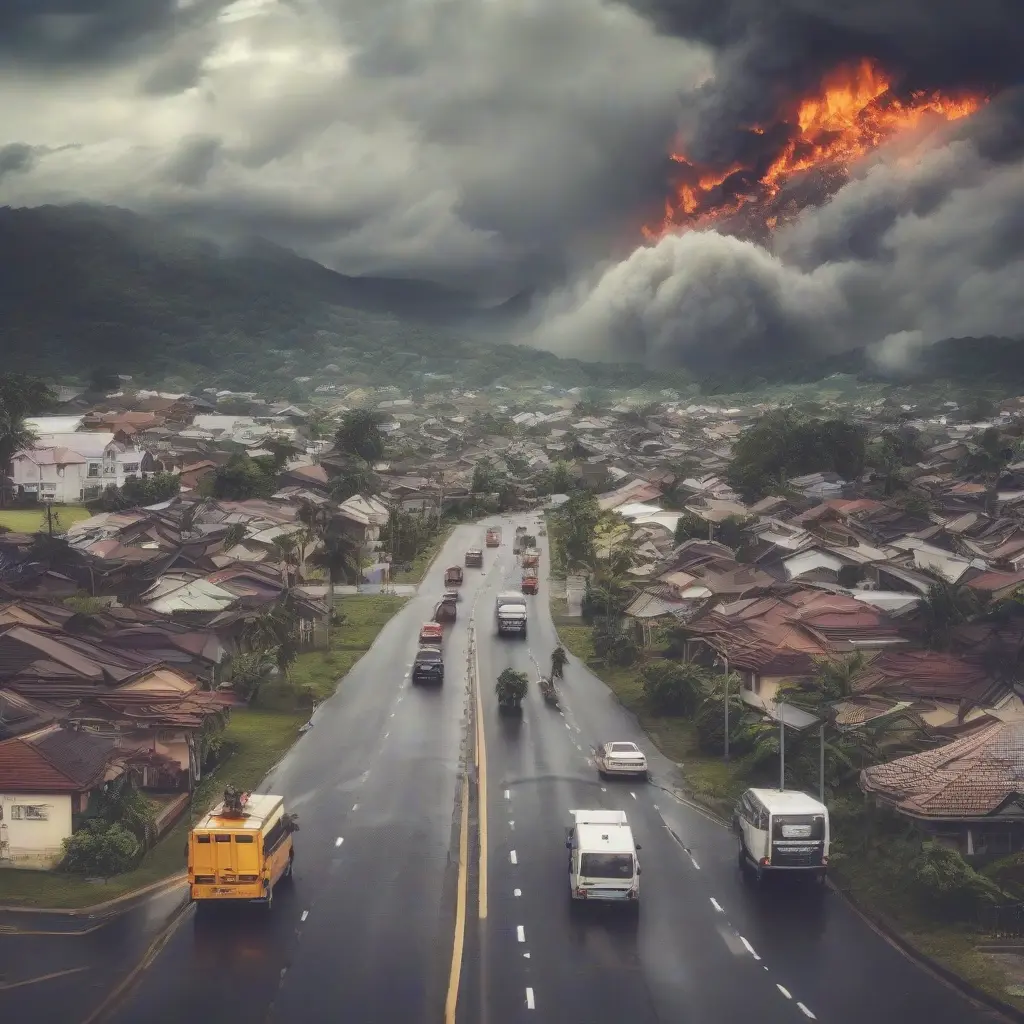
Traveling can be an enriching experience, but natural disasters can pose serious threats to tourists. Understanding how to navigate these situations is essential for safety. Whether it’s hurricanes, earthquakes, floods, or wildfires, having a strategy can reduce risk and enhance your travel experience. Tourists must stay informed about their travel destinations, prepare appropriately, and know how to respond should disaster strike. This article provides crucial safety tips that every traveler should keep in mind when traversing areas prone to natural disasters.
Stay Informed About Natural Disaster Risks
Before embarking on a trip, it’s essential to research the natural disaster risks associated with your destination. Different regions have varying susceptibility to natural events such as hurricanes, earthquakes, or wildfires. Check local news, government websites, and travel advisories to understand what you might encounter. Monitoring weather apps and social media updates also provides real-time information, allowing travelers to make informed decisions about their itinerary. Knowledge is a powerful tool, especially when it comes to safety during unexpected situations.
Register with Your Embassy
Registering with your embassy or consulate is beneficial when traveling abroad, especially in disaster-prone areas. Many embassies offer registration services, which inform them of your presence in the country. This could be crucial during a crisis, enabling your government to locate and assist you if needed. In addition, receiving alerts and updates about safety measures and support options through your embassy can enhance your safety network. Keep your travel documents and emergency contacts easily accessible.
Create an Emergency Plan
Establishing a comprehensive emergency plan before travel is key to ensuring your safety during a natural disaster. Include the locations of nearby shelters, hospitals, and evacuation routes within your plan. Discuss your plan with fellow travelers, so everyone is informed and prepared to act quickly if a disaster occurs. Make a checklist of essential supplies like water, snacks, first aid kits, and communication devices. Having an actionable plan provides peace of mind and facilitates effective responses in emergencies.
Pack a Disaster Preparedness Kit
A well-equipped disaster preparedness kit is invaluable for travelers in areas susceptible to natural disasters. Your kit should include essentials like bottled water, non-perishable food, a flashlight with extra batteries, a first aid kit, and necessary medications. Also, add a multi-tool, whistle, and a portable phone charger to enhance communication options. Consider packing personal items such as clothing, a blanket, and hygiene products. Having this kit handy ensures that you are ready to face unexpected situations more effectively.
Know the Local Emergency Procedures
Understanding local emergency procedures can significantly enhance your safety during a natural disaster. Familiarize yourself with the emergency services and how they operate within your travel destination. Local authorities often have specific protocols for evacuation, sheltering, and communication during crises. Attend any informational meetings or briefings offered by hotels or local organizations to gain insight into regional safety measures. Being versed in these procedures prepares you for swift action if a natural disaster occurs.
Stay Connected with Family and Friends
Maintaining communication with family and friends during your travels is vital, especially during natural disasters. Share your itinerary and contact details so that someone is aware of your whereabouts. Regularly update them about your safety using text messages, social media, or phone calls. If a disaster occurs, establishing a designated contact person can streamline communication. This ensures someone is aware of your situation and can alert authorities if necessary, providing an extra layer of security.
Avoid Risky Situations
While exploring a new destination can be exciting, avoiding risky situations is crucial during times of potential natural disasters. Pay attention to local authorities and heed their warnings regarding unsafe areas or activities. Stay away from beaches during tropical storms, rugged terrains during earthquakes, or any events that may exacerbate the disaster risk. Maintaining a cautious approach allows you to enjoy your travels while prioritizing safety. Your health and security should always take precedence over adventure.
Be Prepared for Changes in Itinerary
Flexibility is key when traveling in areas susceptible to natural disasters. Be prepared for unexpected changes in your itinerary, including flight cancellations, rerouting, or altered accommodations. Monitor travel updates and locals’ advice; compliance with their suggestions can protect your safety. Consider purchasing flexible travel insurance that covers cancellations due to natural disasters. Being adaptable not only enhances safety but also reduces stress in precarious situations, allowing you to focus on what truly matters.
Follow Local News and Weather Updates
Being informed about the latest news and weather conditions is paramount when traveling during natural disasters. Regularly check local news channels, weather apps, or official disaster management websites for updates. Many regions have warning systems that provide real-time alerts about impending disasters. Staying updated on conditions allows you to make educated choices regarding your travel plans, keeping you ahead of any potential challenges climate changes may bring.
Understand the Importance of Mental Preparedness
Mental preparedness is as crucial as physical readiness when facing potential natural disasters while traveling. Understand that uncertainty can create anxiety, so developing coping strategies to handle distress is vital. Techniques such as mindfulness, deep breathing, and visualization can help manage panic during crisis situations. Being mentally prepared allows you to maintain clarity and make better decisions under pressure. Equip yourself with not only physical tools but also the mental strength to navigate these challenging scenarios.
Conclusion
Traveling during natural disasters requires thorough preparation and awareness to ensure safety. By staying informed, creating an emergency plan, and knowing local procedures, tourists can significantly mitigate risks. Flexibility and mental preparedness also play vital roles in navigating unexpected challenges. Ultimately, prioritizing safety ensures that travel remains a fulfilling experience, even in the face of adversity.