Trekking in India’s national parks offers a remarkable opportunity to connect with nature and explore diverse ecosystems. However, to ensure a safe and enjoyable experience, trekkers need to adopt certain precautions and strategies. From selecting the right gear to understanding local wildlife, being well-informed can make a significant difference in the safety of your trekking adventure. This guide provides essential tips for navigating the picturesque yet sometimes challenging terrains of India’s national parks.
Research Your Trekking Route
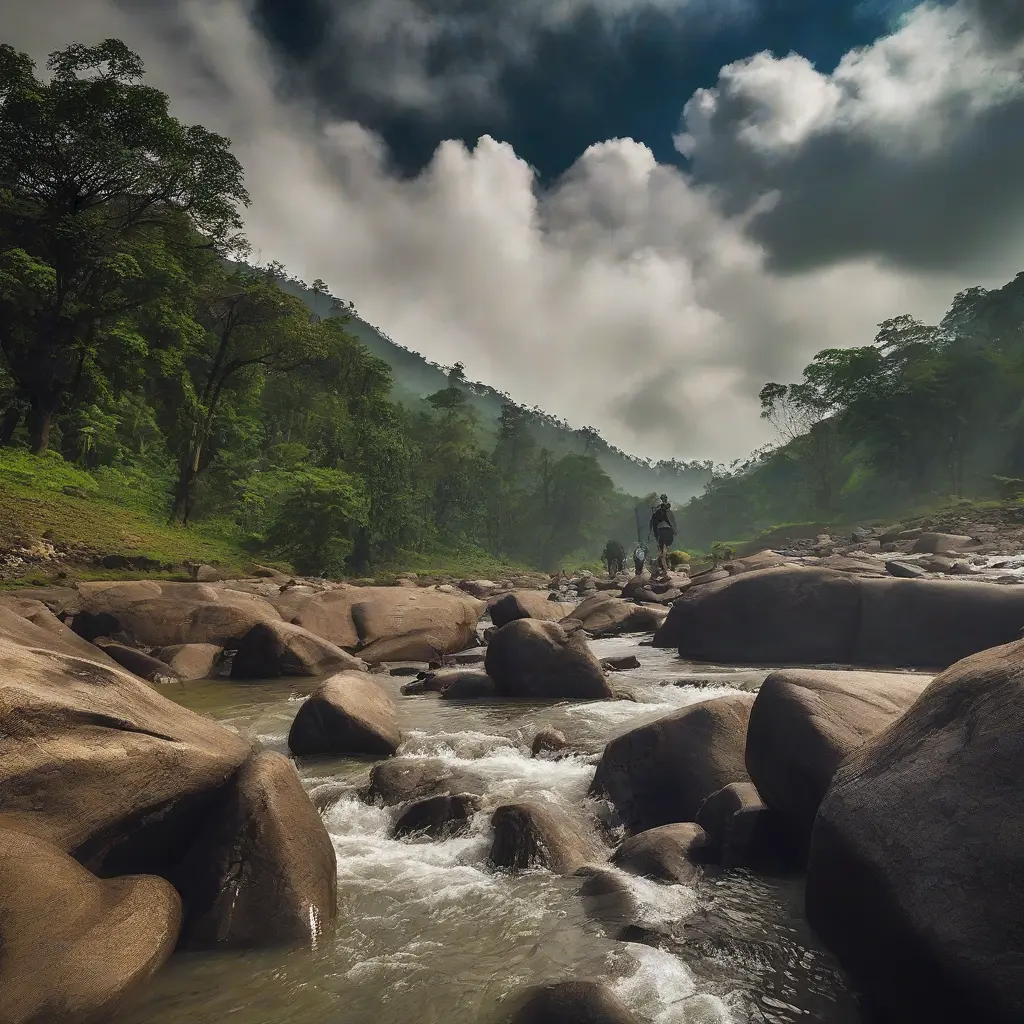
Before embarking on your trekking adventure, thoroughly research your chosen route. Understanding the terrain, climate, and seasonality can significantly affect your safety. Visit official national park websites or consult local trekking groups for updated information on trail conditions and any potential hazards. Additionally, familiarize yourself with the difficulty level of the trek, as this will help you assess whether it aligns with your physical abilities and experience.
Stay Informed About Local Wildlife
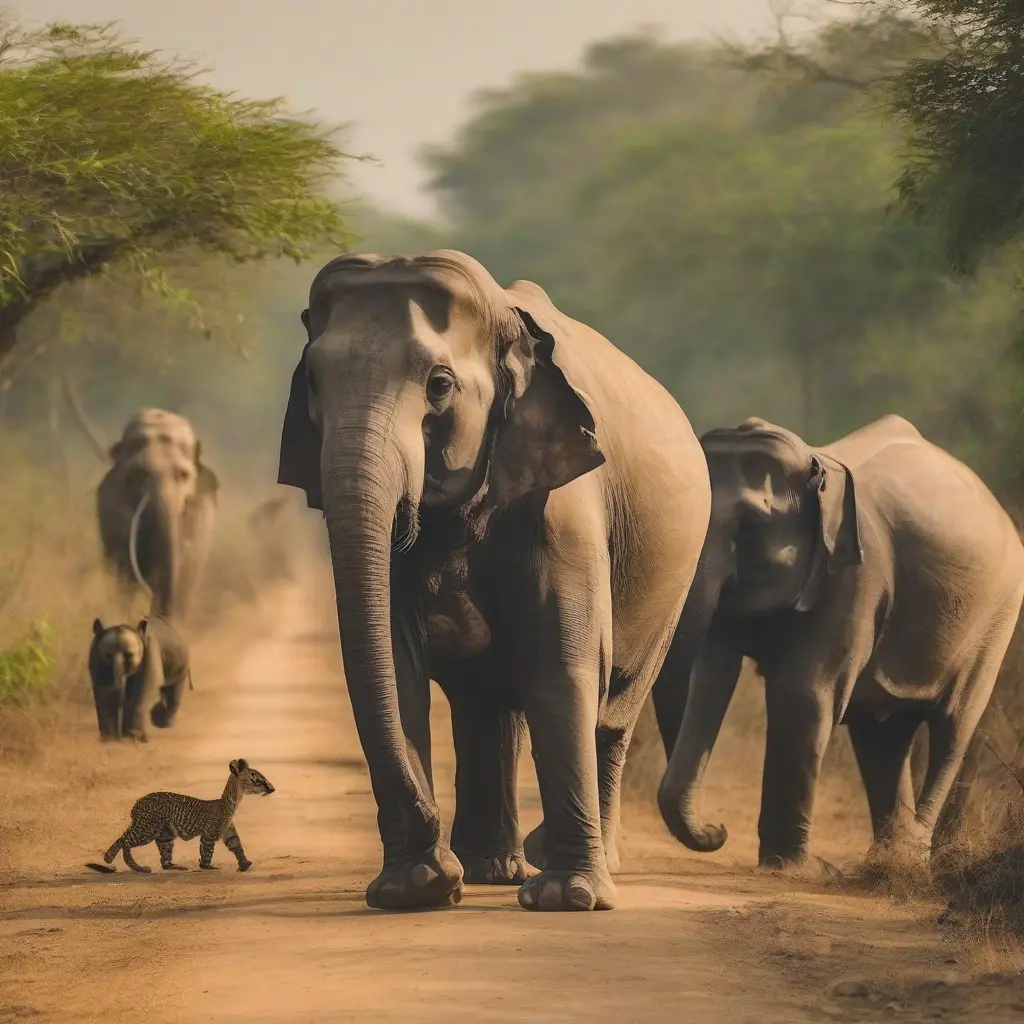
Being aware of the wildlife in the area is crucial for your safety during trekking. Different national parks host diverse species, including potentially dangerous animals like leopards, tigers, and elephants. Educate yourself on animal behavior and the best practices for encountering wildlife, such as maintaining a safe distance and avoiding feeding them. Understanding these dynamics can greatly reduce the risk of unexpected encounters during your trek.
Wear Appropriate Footwear
The right footwear is paramount for a safe trekking experience. Invest in high-quality trekking shoes that provide good ankle support and traction suited for rugged terrains. Make sure your shoes are well-fitted and broken in before the trek to prevent blisters and discomfort. Various terrains, including wet or rocky paths, require specific types of footwear to ensure stability and safety, so choose wisely based on your route.
Pack Essential Safety Gear
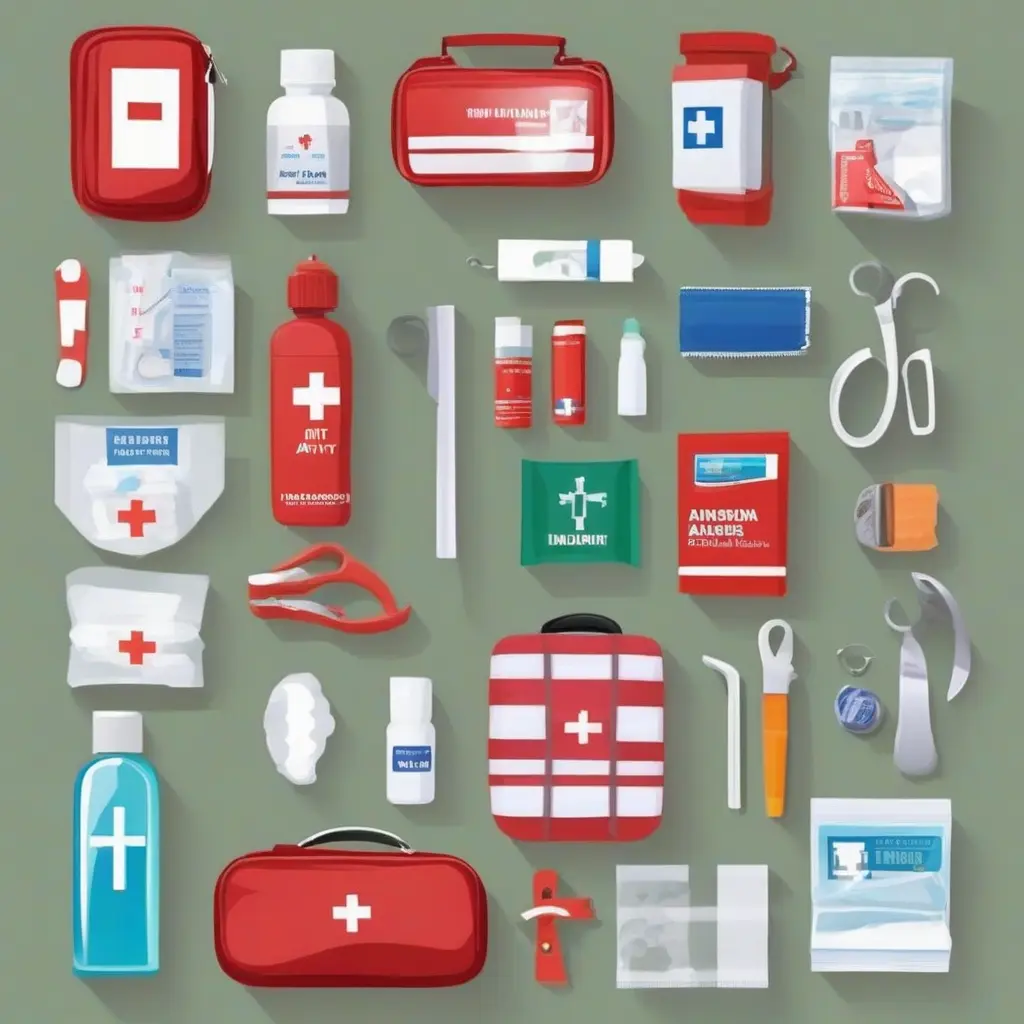
Packing the right gear can make a substantial difference in ensuring your safety during treks. Essential items include a first-aid kit, a map or GPS device, a whistle, and a multi-tool. Depending on the length and region of your trek, consider bringing additional necessities like a flashlight, trekking poles, and weather-appropriate clothing. Ensure all your gear is of good quality and maintained, as this can help prevent issues during critical moments.
Stay Hydrated and Nourished
Maintaining proper hydration and nutrition is vital when trekking in national parks. Carry adequate water and energy-rich snacks like nuts, energy bars, or dried fruits. Dehydration can impair your judgment and physical abilities, so aim to drink regularly, especially in hot climates. Always be aware of available water sources along your route, and consider using purification tablets if you must refill from natural sources.
Understand the Local Weather Conditions
Weather conditions can change rapidly in many national parks, making it essential to stay informed about local forecasts. Before heading out, check weather reports for the area and plan your trek accordingly. Dress in layers to accommodate temperature changes and prepare for rain or colder conditions. Being caught off-guard by sudden weather changes can lead to dangerous situations, so always be prepared.
Trek with a Companion or Group
Trekking with a companion or a group not only enhances safety but also enriches the experience with shared moments. It’s advisable to avoid trekking alone, especially in remote areas, as this increases the level of risk. Companions can assist in emergencies, share navigation responsibilities, and keep morale high. Joining a guided tour can also provide additional safety, as experienced guides are familiar with the area and potential risks.
Set Realistic Goals and Timelines
When planning your trek, it is important to set realistic goals and timelines. Assess your fitness levels, the complexity of the trail, and daylight hours to avoid becoming stranded after dark. Understanding your limits can help you enjoy the trek and keep your group safe. Establish waypoints to track your progress and stay on schedule, ensuring you have enough time to complete the trek without rushing.
Follow Park Guidelines and Regulations
Adhering to park guidelines and regulations is critical for your safety and the conservation of nature. Each national park has implemented rules to protect wildlife, vegetation, and the trekking experience for all visitors. Pay attention to marked trails, camping areas, and wildlife zones. Ignoring rules not only endangers your safety but can also disrupt the ecosystem and wildlife habitats within these protected areas.
Emergency Preparedness and Communication
Being prepared for emergencies is essential when trekking. Familiarize yourself with emergency contact numbers for the park and inform someone of your itinerary before departing. Carry a fully charged mobile phone with a portable charger and consider investing in a satellite communication device if trekking in remote locations. Having a reliable way to communicate in case of emergency can be life-saving.
Conclusion
Ensuring safe trekking experiences in India’s national parks involves thorough preparation and adherence to safety protocols. By researching routes, understanding local wildlife, and packing essential gear, trekkers can greatly enhance their safety. Practicing these tips will not only safeguard your adventure but also enrich your connection with the breathtaking landscapes and ecosystems of India’s national parks.