Traveling can be an enriching experience for everyone, but for disabled persons, proper planning is essential to ensure accessibility and comfort. In India, a diverse country with varying levels of infrastructure, it’s crucial to consider specific travel needs. This guide offers insights on how to navigate travel planning effectively, with a focus on accessible transportation, accommodations, attractions, and resources available for disabled travelers in India.
Understanding Accessibility in India
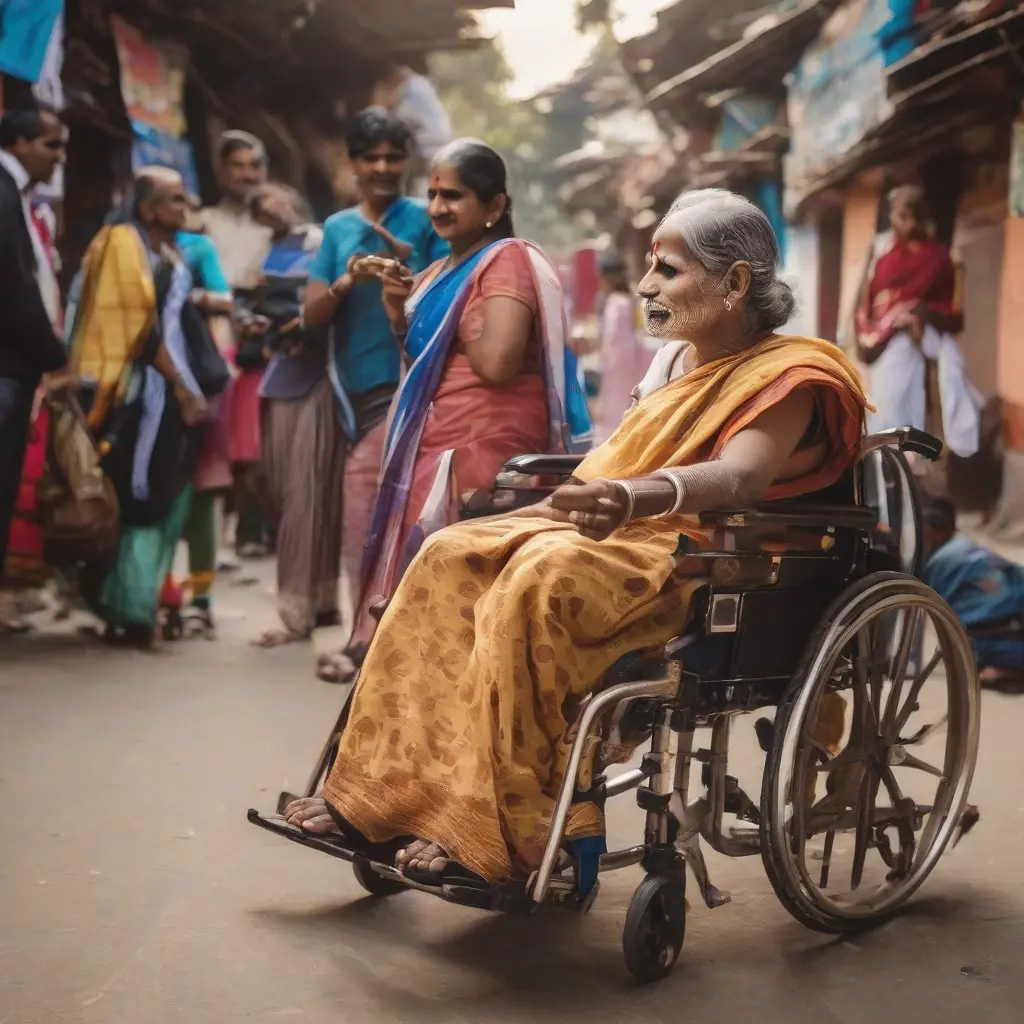
Accessibility in India can vary significantly from one region to another, making it essential for disabled travelers to conduct thorough research before their trip. Key urban areas often have better facilities compared to rural regions. Travelers should look for information on wheelchair-accessible infrastructure, public transportation options, and the presence of ramps and elevators at various venues. Knowing the accessibility standards in the specific cities you plan to visit will help tailor your journey and minimize challenges.
Researching Accessible Transportation Options
When planning travel in India, selecting the right transportation is crucial for disabled individuals. Major cities typically offer accessible taxis and public transportation options, like the Metro in Delhi, which has designated facilities for disabled passengers. It’s advisable to use apps for ride-hailing services that provide accessible vehicles. Additionally, long-distance trains sometimes offer special accommodations, but it’s important to book these services in advance to ensure availability and comfort during travel.
Choosing Accessible Accommodations
Selecting the right accommodation is vital for ensuring a hassle-free stay. Many hotels in India have started recognizing the need for accessible rooms equipped with features like grab bars, roll-in showers, and wider door frames. Websites offering reviews can assist in finding establishments that prioritize accessibility. Reading feedback from other disabled travelers can provide insights into the quality of services and facilities available in the hotel or guesthouse you are considering.
Exploring Accessible Attractions
India is home to numerous attractions, but the accessibility of these sites can differ greatly. National parks, temples, and historical sites may have limited facilities for disabled visitors. Researching specific attractions beforehand is important to understand what accessibility features they provide. Many major tourist spots are beginning to improve accessibility, but verifying ahead of time ensures that your plans align with your needs, allowing for a more enjoyable sightseeing experience.
Navigating Challenging Cultural Norms
Cultural norms in India can sometimes create challenges for disabled travelers. In social situations, awareness of how to interact with disabled persons varies, making it essential to prepare for unexpected situations. Being open to engaging with locals and asking for assistance can ease the way through any uncomfortable scenarios. Additionally, familiarizing yourself with local customs can enhance interactions, helping to foster understanding while traveling.
Essential Travel Resources for Disabled Persons
Multiple resources are available to assist disabled travelers in India. Organizations focusing on disability rights may provide useful information, including accessible travel guides, recommended accommodations, and transportation options. Online forums and social media groups can also be invaluable for connecting with fellow travelers who share experiences and tips. Leveraging these resources can significantly improve your travel planning and overall experience.
Preparing Emergency Plans
Preparation for emergencies is crucial for disabled travelers planning to visit India. Identifying health facilities, local contact numbers, and nearby hospitals that cater to your condition ensures peace of mind during your trip. It’s recommended to carry a communication device, medical documents, and any necessary medications. Planning for emergency contingencies can bolster confidence, allowing you to enjoy your travel experience without unnecessary worry.
Seeking Local Support Networks
Establishing connections with local support networks can be beneficial for disabled travelers. Communities often lock together to improve accessibility and support amongst travelers, creating resources like local guides and services tailored to specific needs. Engaging with these networks can provide not only practical assistance but also companionship during your journey. Finding such resources can transform your travel experience, making it richer and more fulfilling.
Leveraging Technology in Travel Planning
Using technology can significantly enhance travel planning for disabled individuals. Many apps are designed to provide information on accessibility in transport, hotels, and attractions. Applications that allow users to filter by accessible options make finding suitable venues much easier. Additionally, utilizing mapping applications can help navigate transit systems and unfamiliar areas, making it easier to safely and efficiently get around while traveling in India.
Conclusion
Traveling as a disabled person in India requires careful planning and consideration of various factors. By researching accessibility options in transportation, accommodations, and attractions, disabled travelers can enhance their experiences. Employing local resources and leveraging technology provides additional support, promoting a positive journey. Ultimately, comprehensive planning can lead to delightful and memorable travel experiences tailored to individual needs.