Traveling in India can be a rewarding experience filled with vibrant culture, stunning landscapes, and diverse cuisines. However, travelers should also be prepared for potential health concerns or accidents. Having a comprehensive first aid kit is essential for ensuring your safety and comfort during your journey. This guide outlines crucial first aid essentials that every traveler in India should carry, helping you navigate unexpected situations with confidence.
Basic First Aid Kit Components
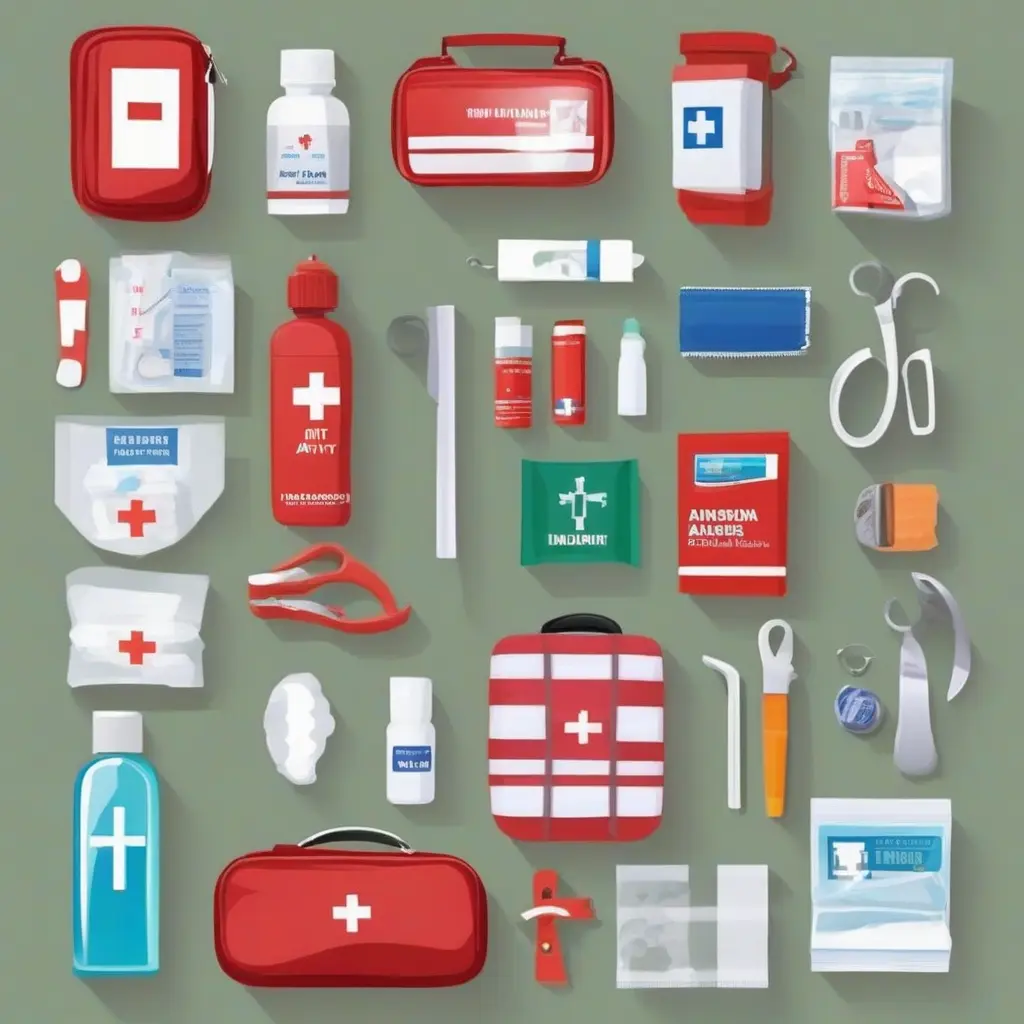
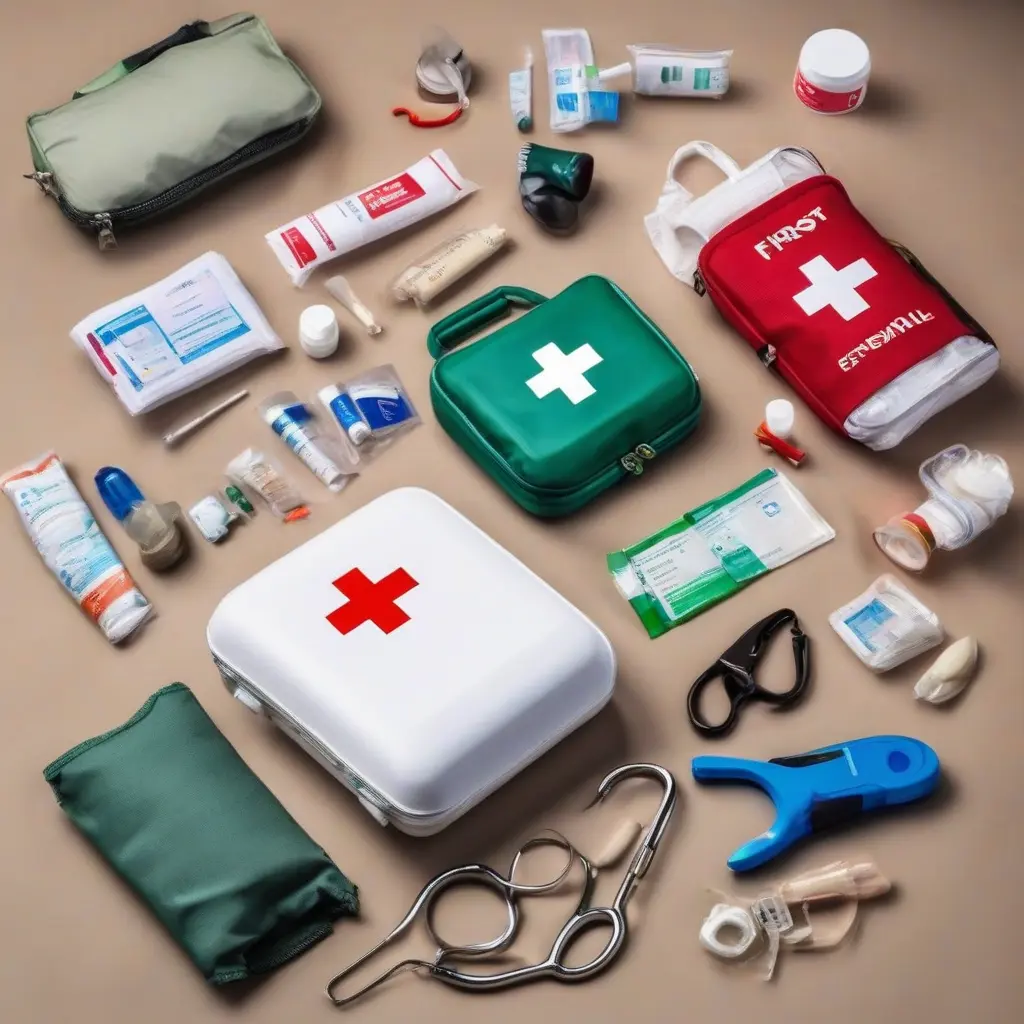
A basic first aid kit should include adhesive bandages, sterile gauze pads, and antiseptic wipes. These items are vital for treating minor cuts and scrapes that can occur while exploring unfamiliar terrain. Moreover, ensure you have adhesive tape to secure gauze and a pair of tweezers for removing splinters or ticks. Packing these fundamental items sets a solid foundation for dealing with minor injuries and promoting quick recovery.
Medications for Common Ailments
Travelers in India should bring along medications for common ailments such as headaches, stomach issues, and allergies. Over-the-counter options like ibuprofen, antacids, and antihistamines can be lifesavers when faced with discomfort. Additionally, travelers prone to motion sickness may benefit from anti-nausea medications. Including these items in your first aid kit ensures you’re prepared for unexpected bouts of illness, allowing you to continue enjoying your travels.
Hydration Solutions
Staying hydrated while traveling in India is crucial, especially in hot climates or during activities like hiking. Therefore, including oral rehydration salts in your first aid kit can help combat dehydration caused by heat, diarrhea, or excessive sweating. These packets are easy to carry and dissolve in water to replenish lost electrolytes. Maintaining hydration is vital, and having a reliable solution on hand can prevent serious health issues during your journey.
Insect Repellent and Bite Relief
Insect bites can be a nuisance when traveling in India, especially in rural or tropical areas. Packing a good-quality insect repellent containing DEET or picaridin can effectively ward off mosquitoes and ticks. Additionally, including bite relief creams or antihistamines will alleviate itching and swelling if you do get bitten. Managing insect exposure is crucial to avoid more severe illnesses such as dengue or malaria, making these items a must-have in your first aid kit.
Treatments for Digestive Issues
Traveler’s diarrhea can be a common issue for those exploring Indian cuisine. It’s advisable to carry medications like loperamide to manage diarrhea and oral rehydration solutions to replace lost fluids. Additionally, packing activated charcoal can help alleviate mild digestive discomfort. Being prepared for digestive challenges helps ensure you can handle any discomfort quickly, allowing you to stay focused on your travels.
Sun Protection Essentials
The sun can be intense in many parts of India, making sun protection essential. Including a high-SPF sunscreen, lip balm with SPF, and sunglasses in your first aid kit is advisable. These items will protect your skin and eyes from harmful UV rays, preventing sunburn and long-term skin damage. Prioritizing sun safety is crucial for outdoor activities, particularly during long excursions or sightseeing trips.
Emergency Contact Information
In the event of a serious medical situation, having emergency contact information is critical. Create a list that includes local emergency numbers, your country’s embassy, and your personal contacts back home. Ensure this information is easily accessible in your phone or a physical copy in your first aid kit. Being aware of local medical facilities and emergency contacts can provide peace of mind and facilitate swift action when necessary.
Travel Insurance and Health Care Resources
Before traveling, securing comprehensive travel insurance is highly recommended. This coverage can help cover medical expenses and provide resources in case of emergencies. Additionally, familiarize yourself with healthcare resources in the areas you plan to visit, including hospitals and pharmacies. Having access to reliable healthcare options enhances your safety and ensures you’re prepared for any medical emergencies that may arise during your trip.
Cultural Considerations and Local Practices
When planning your first aid kit, it’s important to consider cultural norms and local practices in India. Some regions may have specific remedies or restrictions on certain medications, particularly herbal or traditional treatments. Researching local practices can enhance your understanding and respect for cultural differences while ensuring your first aid kit is suitable for the areas you visit. Adapting your approach shows consideration for local customs and may enhance your overall travel experience.
Conclusion
Being well-prepared with a first aid kit can make a significant difference in the safety and enjoyment of your travels in India. By carrying essential items like basic first aid supplies, medications, hydration solutions, and cultural considerations, you equip yourself to handle unexpected situations. Prioritizing your health and safety contributes to creating positive travel memories and ensures your journey through India is both enjoyable and secure.