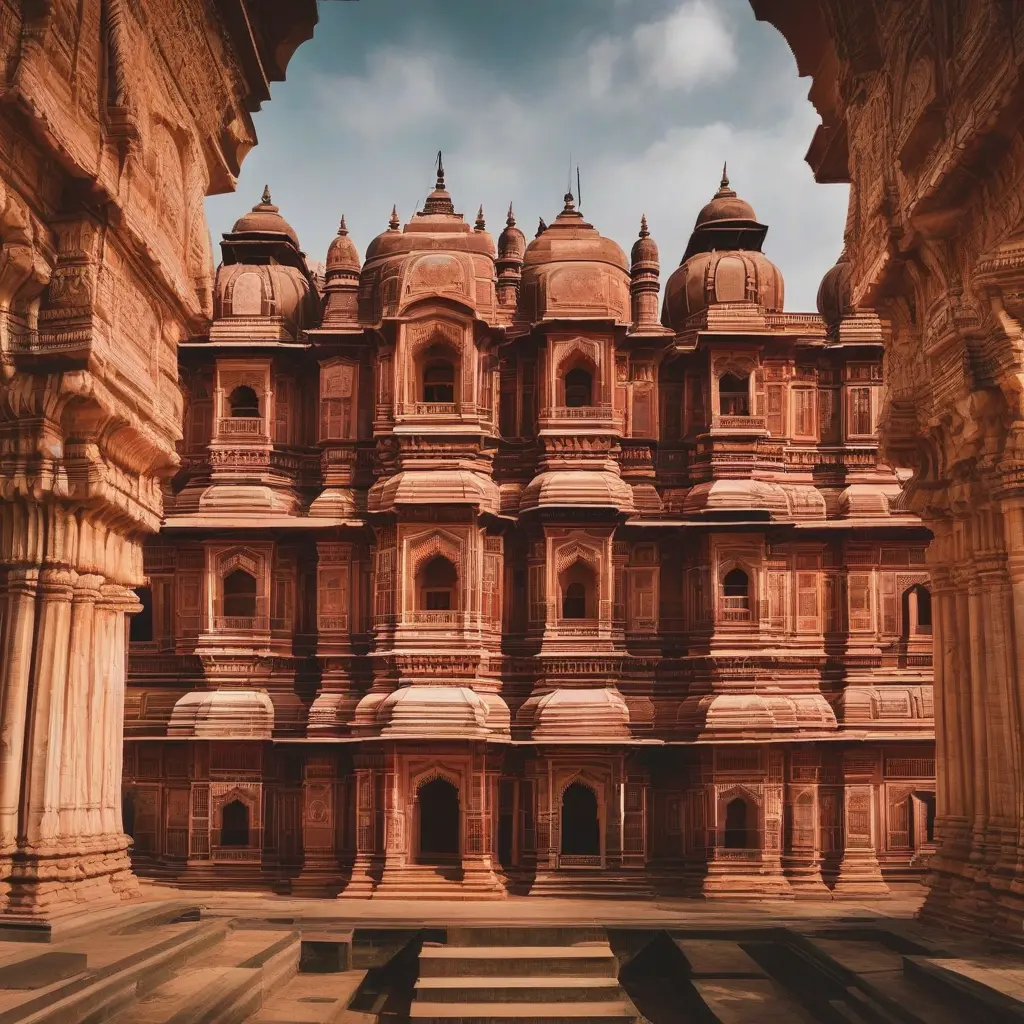
India’s rich tapestry of culture and history is mirrored in its remarkable historical landmarks, each with tales that echo through time. From ancient forts to majestic palaces, these sites reflect the diverse architectural styles and historical incidents that shaped the region. Visiting these landmarks offers not only a glimpse into the past but an opportunity to appreciate the artistry and craftsmanship that define India’s heritage. Whether you’re an enthusiast of architecture, history, or simply curious about the past, this guide will help you uncover the must-visit historical landmarks in India.
Taj Mahal: The Epitome of Love
The Taj Mahal, a UNESCO World Heritage Site, stands as a timeless symbol of love and architectural brilliance. Constructed in the 17th century by Mughal Emperor Shah Jahan in memory of his wife, Mumtaz Mahal, this ivory-white marble mausoleum attracts millions of visitors each year. Its intricate carvings, symmetrical gardens, and stunning reflection pools create an enchanting atmosphere. The Taj Mahal’s beauty and historical significance make it a must-visit for anyone exploring India’s rich heritage.
Jaipur’s Amber Fort: A Royal Experience
Amber Fort, situated on a hilltop near Jaipur, is an excellent example of Rajput architecture, showcasing grandeur and sophistication. Built in the late 16th century, the fort features ornate halls, expansive courtyards, and intricate mirror work in the Sheesh Mahal (Palace of Mirrors). Visitors can enjoy an elephant ride to the fort’s entrance while taking in the picturesque views of the surrounding hills and Maota Lake. Exploring Amber Fort reveals the history of royal families and the artistry of the era, making it a must-visit destination.
Qutub Minar: A Testament of Architectural Genius
The Qutub Minar, standing tall at 73 meters, is the tallest brick minaret in the world and a UNESCO World Heritage Site. This remarkable structure, built in the 12th century, showcases Indo-Islamic architecture with its intricate carvings and inscriptions. The surrounding complex, featuring the Quwwat-ul-Islam Mosque and iron pillar, further enriches the historical experience. Visiting Qutub Minar offers insights into Delhi’s rich past and the architectural advancements during the Delhi Sultanate, making it a key attraction for history lovers.
Hampi: The Ruins of a Forgotten Empire
Hampi, a UNESCO World Heritage Site, once served as the capital of the Vijayanagara Empire. The magnificent ruins, dating back to the 14th century, cover vast stretches of rocky terrain and feature ancient temples, palaces, and market streets. The architectural style demonstrates a blend of Hindu and Islamic influences, showcasing intricate carvings and vibrant sculptures. Exploring Hampi provides an immersive journey into India’s medieval history, making it an essential stop for travelers interested in ancient civilizations.
Fatehpur Sikri: The Abandoned City
Fatehpur Sikri, a UNESCO World Heritage Site, is an exquisite example of Mughal architecture and was briefly the capital of the Mughal Empire. Built during the reign of Emperor Akbar in the late 16th century, the city features stunning structures like the Buland Darwaza, Panch Mahal, and the Jama Masjid. The well-preserved buildings reflect Akbar’s vision of religious tolerance and architectural innovation. A visit to Fatehpur Sikri offers valuable insights into the cultural amalgamation of the time, making it a must-see destination.
Mysore Palace: A Regal Marvel
Mysore Palace, also known as Amba Vilas Palace, is one of the most celebrated palaces in India, renowned for its stunning architecture and rich history. Constructed in the 19th century, it is a fine example of Indo-Saracenic style, featuring domes, towers, and arches. The palace is adorned with intricate carvings and vibrant stained glass artwork. Visitors can explore the grand interiors and gardens, particularly during the Dussehra festival, when the palace is illuminated with thousands of lights, making it a captivating sight.
Gateway of India: Mumbai’s Iconic Structure
The Gateway of India stands as a monumental symbol of Mumbai and an architectural gem. Built in the early 20th century to commemorate King George V and Queen Mary’s visit, it showcases Indo-Saracenic design, combining Hindu and Muslim architectural elements. The monument overlooks the Arabian Sea and is surrounded by bustling streets and vibrant markets. Visitors can explore the nearby Taj Mahal Palace hotel or take a ferry to the Elephanta Caves, enhancing their experience in this vibrant city.
Konark Sun Temple: The Marvel of Solar Architecture
The Konark Sun Temple, a UNESCO World Heritage Site, is a masterpiece of ancient Indian architecture dedicated to the Sun God, Surya. Constructed in the 13th century, the temple is designed in the shape of a colossal chariot, complete with intricately carved wheels and horses. The stunning sculptures depict various deities and scenes from daily life, showcasing the artistic ingenuity of the artisans. Visiting Konark offers a unique experience to witness the fusion of spirituality, symbolism, and artistry in ancient Indian culture.
Rani Ki Vav: An Architectural Wonder
Rani Ki Vav, located in Patan, Gujarat, is a remarkable stepwell built in the 11th century, recognized for its intricate craftsmanship. This UNESCO World Heritage Site features seven levels of stairs adorned with beautifully sculpted niches and figurines. The architectural ingenuity of Rani Ki Vav not only served practical purposes for water conservation but also reflects the artistic and cultural values of the Solanki period. A visit here is essential for anyone interested in the innovative engineering of ancient India.
Jaisalmer Fort: The Golden City’s Jewel
Jaisalmer Fort, also known as Sonar Quila or the Golden Fort, is one of the largest forts in the world and a UNESCO World Heritage Site. Built in the 12th century, it showcases stunning yellow sandstone architecture that glows like gold, especially at sunset. The fort houses numerous shops, hotels, and ancient residences, offering a unique glimpse into its vibrant history. Exploring Jaisalmer Fort allows visitors to immerse themselves in the rich culture and heritage of the Thar Desert region, making it a must-visit destination.
Conclusion
India’s historical landmarks are not just monuments; they encapsulate the essence of a nation’s journey through time. Each site offers unique stories, stunning architecture, and a glimpse into the cultural richness that defines India. By visiting these landmarks, travelers not only appreciate the beauty of the past but also contribute to the preservation of these heritage sites for future generations. Embarking on this journey through India’s historical treasures promises unforgettable experiences and invaluable insights into its glorious history.