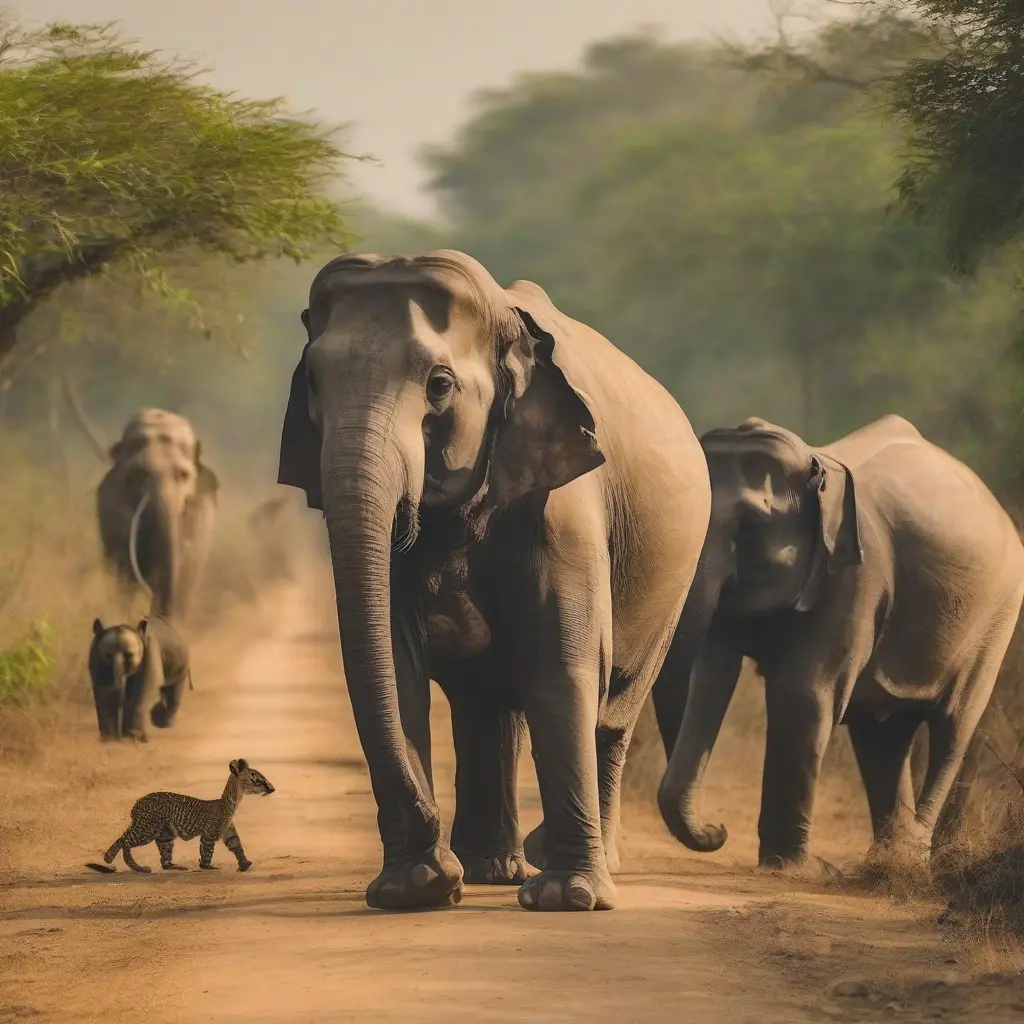
India is renowned for its rich biodiversity, harboring a wide array of wildlife in diverse ecosystems. As an eco-conscious traveler, understanding how to experience India’s wildlife safely is essential. It allows you to indulge in thrilling adventures while respecting the natural habitats and the creatures that reside there. From choosing the right locations to adopt responsible practices, this guide provides invaluable tips that will enhance your travel experience while ensuring conservation efforts are respected. Being mindful during your adventure will not only protect the environment but also enrich your understanding of India’s magnificent fauna.
Research Wildlife Destinations
Before embarking on your journey, thorough research on wildlife destinations in India is fundamental. The country boasts an array of national parks and wildlife sanctuaries such as Ranthambore, Jim Corbett, and Kaziranga. Each location offers unique ecosystems and species. Understanding the best seasons to visit, the types of wildlife you’ll encounter, and park regulations can enhance your travel experience. Utilize reputable travel guides, blogs, and official websites to gather accurate information. Engaging with local communities and conservation groups can provide further insights, ensuring your visit aligns with eco-friendly practices.
Choose Eco-Friendly Accommodations
Selecting eco-friendly accommodations is crucial for sustainable travel in India. Look for lodges and hotels that emphasize green practices, such as waste reduction, energy efficiency, and commitment to local communities. Eco-lodges often provide unique experiences and incorporate local culture and resources. Check for certifications like Green Globe or EarthCheck to verify environmental responsibility. Staying in these accommodations supports eco-conscious tourism and contributes to the conservation of local wildlife. Furthermore, many eco-friendly stays offer guided experiences led by local experts, enriching your understanding of the areas you visit.
Be Mindful of Wildlife Etiquette
Practicing wildlife etiquette is imperative when observing animals in their natural habitats. Maintain a safe distance from wildlife and never engage in behaviors that may distress them, such as loud noises or feeding. Use binoculars for a closer look rather than approaching animals. Understanding the behavior of different species can enhance your appreciation for wildlife. If you’re on a guided tour, follow the guide’s instructions for a safer experience. Respecting wildlife and their habitats is vital for the conservation of these species and helps in leaving no negative impact on nature.
Support Local Conservation Initiatives
Engaging with and supporting local conservation initiatives during your travels can make a significant difference. Many organizations work tirelessly to protect wildlife and their habitats in India. Participating in eco-tours or wildlife sanctuaries can contribute directly to these efforts while allowing you to learn about the species and environments you are experiencing. Look for programs that offer volunteer opportunities, helping in animal rehabilitation or habitat restoration. Donations or purchases from local artisans can also support sustainable practices, ensuring your impact during your visit is positive.
Practice Sustainable Transportation
Opting for sustainable transportation options contributes to eco-friendly travel while exploring India’s wildlife. Consider utilizing public transport, such as buses or trains, when traveling between destinations. These options often reduce carbon footprints compared to personal vehicles. For local excursions, choose bicycles or walking tours to explore wildlife areas while minimizing disturbance to the environment. Additionally, hiring local guides who understand the regions can enhance your experience while supporting local economies. Sustainable transport practices not only decrease environmental impact but also provide a more immersive travel experience.
Pack Wisely and Responsibly
Packing wisely is essential for eco-conscious travel in wildlife-rich areas. Bring reusable items such as water bottles, cloth bags, and utensils to minimize single-use plastics. Ensure your clothing is appropriate for the environment, incorporating materials that are lightweight and quick-drying, while avoiding bright colors that may disturb wildlife. Consider packing biodegradable toiletries to prevent pollution and leaving minimal waste behind. Preparing your travel essentials with sustainability in mind enhances your experience, ensuring that you protect the environment as you explore India’s rich biodiversity.
Capture Memories Responsibly
Photography is a popular activity among travelers, especially in wildlife settings. However, it’s crucial to capture memories responsibly. Use long lenses for wildlife photography instead of encroaching on animal spaces. Avoid flash photography, which can startle animals, and respect any signs or guidelines established in parks. Take only pictures and ensure you leave no trace behind, maintaining the natural beauty of the environment. Sharing your photos can also promote awareness about wildlife conservation, inspiring others to appreciate and protect these magnificent creatures.
Understand Cultural Context
Understanding the cultural context of the regions you visit enhances your wildlife experience in India. Different communities have unique relationships with their local environments and wildlife. Engage with locals to learn about their conservation efforts and how they regard the wildlife around them. Recognizing traditions, beliefs, and the cultural significance of animals can provide valuable insights into the conservation challenges they face. Approaching your experience with cultural sensitivity fosters respect and understanding, ensuring a richer, more meaningful travel experience.
Stay Informed about Environmental Concerns
Staying informed about environmental concerns and the current state of wildlife in India is vital for eco-conscious travelers. Knowledge about issues such as poaching, habitat loss, and climate change influences how you engage with wildlife. Follow reputable environmental news sources and organizations working in the area. Participate in discussions or forums to share insights and learn from others. Awareness allows you to make informed decisions during your travels, ensuring your actions promote conservation rather than contribute to ongoing challenges.
Conclusion
Experiencing India’s wildlife safely as an eco-conscious traveler requires mindfulness and respect for the environment. By following these tips, you can enjoy the breathtaking biodiversity while supporting conservation efforts. Whether it’s through responsible tourism, engaging with local initiatives, or understanding cultural contexts, your actions can help preserve the natural wonders of India for future generations. Make your adventure memorable and impactful, ensuring the beauty of India’s wildlife continues to thrive.