Planning a cultural tour in India can be an enriching experience, showcasing the country’s diverse traditions, vibrant festivals, and captivating events. With a multitude of cultural practices across its regions, understanding the significance and timing of various festivals is crucial for travelers. From colorful celebrations in Rajasthan to spiritual gatherings in Varanasi, this guide outlines essential tips and highlights the must-see festivals and events that will immerse travelers in the rich tapestry of Indian culture.
Understanding Indian Festivals
Indian festivals are deeply rooted in the country’s traditions and often reflect the local customs and religious beliefs. They can range from harvest celebrations to religious observances that honor deities. Understanding the significance of these festivals is essential for tourists, as each celebration offers a unique perspective on cultural values. Festivals also vary regionally, making it vital to research the specific customs and rituals associated with each event to fully appreciate the culture they represent.
Timing Your Visit
Choosing the right time to visit India is crucial for experiencing its vibrant festivals. Many of the most popular events are tied to specific months and can shift annually based on lunar calendars. Researching the festival calendar will help travelers align their trip to catch major celebrations such as Diwali in October or Holi in March. Seasonal weather also plays a role, as cooler months from October to March are more comfortable for travel, allowing tourists to enjoy the festivities without discomfort.
Top Cultural Festivals to Experience
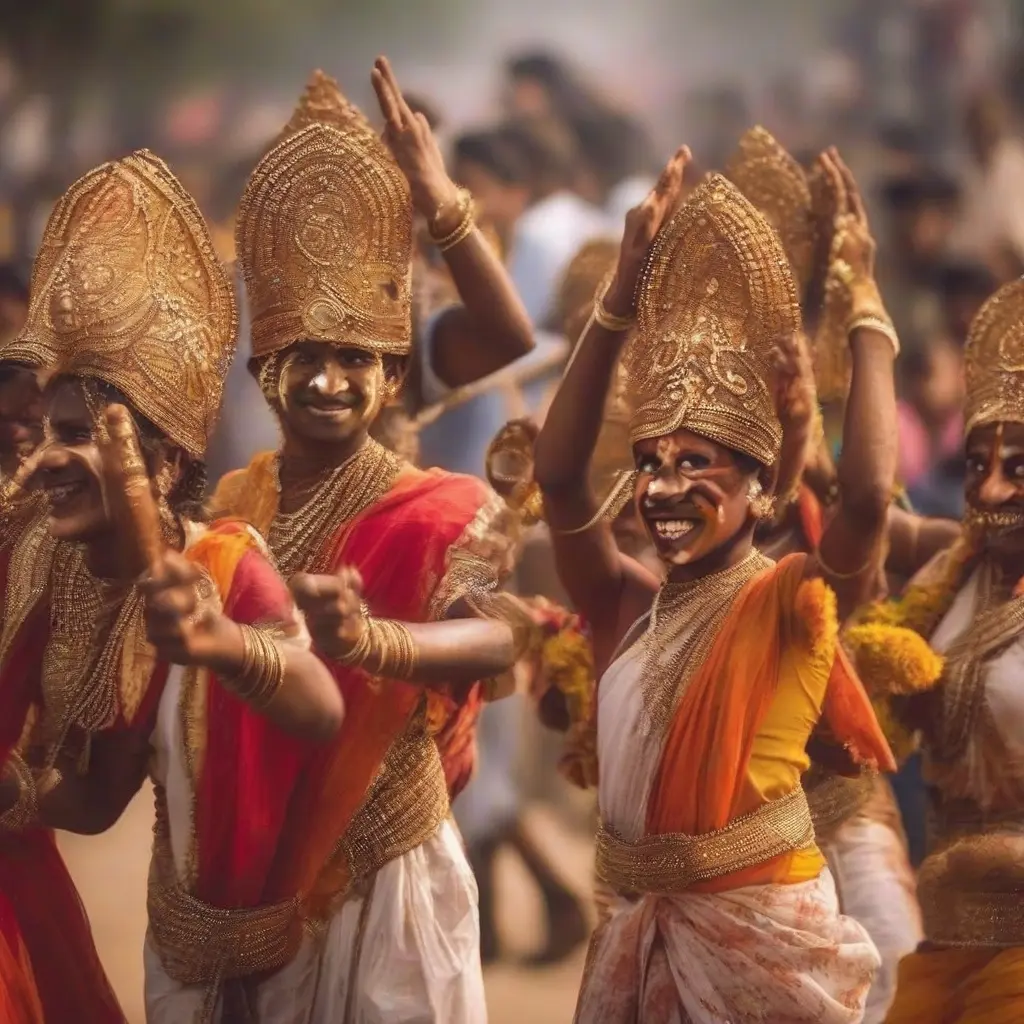
India is home to numerous cultural festivals, each providing a unique glimpse into its rich heritage. Diwali, known as the Festival of Lights, celebrates the triumph of light over darkness, featuring fireworks, decorative lights, and vibrant celebrations. Similarly, Holi, the Festival of Colors, signifies the arrival of spring and joyously involves throwing colored powders. Other notable festivals include Durga Puja in Kolkata and Navratri across the country, ensuring an unforgettable experience for cultural travelers.
Exploring Regional Variations
Regional variations in festivals highlight India’s immense cultural diversity. For instance, the Onam festival in Kerala includes intricate floral arrangements, traditional boat races, and a grand feast known as Onam Sadhya. Meanwhile, the Baisakhi festival in Punjab marks the harvest season and features energetic bhangra dances. Understanding these regional nuances enhances the travel experience, allowing visitors to appreciate the unique cultural expressions that each festival represents while traversing the country.
Festivals and Local Cuisine
Festivals in India are not only about celebration but also encompass culinary delights. During significant events, traditional foods play a central role, and trying local dishes is essential for a full cultural immersion. For example, during Diwali, sweets such as ladoos and barfis are prepared and shared, while Puran Poli is a must-try during Ganesh Chaturthi. Engaging in culinary experiences related to festivals enriches the tour and offers a deeper understanding of local customs.
Participating in Festivities
To gain an authentic experience during a cultural tour, actively participating in festivals is highly beneficial. Visitors can join local celebrations, engage with community members, and witness rituals firsthand. Many events welcome tourists to partake, providing a sense of connection and belonging. However, it’s essential to respect local customs and practices, ensuring that participation is genuine and thoughtful. Engaging with locals can also offer insights typically missed by tourists.
Cultural Etiquette to Follow
Understanding cultural etiquette is vital while attending festivals in India. Dress modestly, especially during religious events, and always ask for permission before taking photos of people or sacred spaces. Respect local customs, such as removing shoes before entering homes or temples. Greeting locals with ‘Namaste’ and using the right body language can further enhance interpersonal interactions. Being aware of these nuances fosters respectful engagement and enriches the cultural experience for travelers.
Planning Logistics for a Cultural Tour
Efficient planning is crucial for a successful cultural tour in India. Securing accommodations well in advance is advisable during peak festival seasons, as prices can rise and availability may decrease. Additionally, consider local transport options, such as trains and buses, which can offer unique perspectives of the countryside. Creating a flexible itinerary allows for spontaneous adventures while ensuring key festivals are not missed, contributing to a memorable journey through India’s cultural landscape.
Safety Considerations
While India is generally safe for tourists, certain safety considerations should be observed during festivals. Crowds can become large and chaotic, so maintaining personal belongings is essential. Staying informed about the area’s customs, healthcare options, and emergency contacts provides added security. Engaging with local guides can enhance safety, allow better navigation of crowded environments, and offer timely insights into local practices, ensuring a secure and enjoyable cultural experience.
Making the Most of Cultural Tours
To truly make the most of cultural tours in India, prioritize open-mindedness and curiosity. Embrace the differences and seek to understand the rich tapestry of traditions that form the country’s identity. Engage with local artisans, attend workshops, or participate in storytelling sessions to deepen your cultural experience. By immersing yourself in these activities, you cultivate a genuine appreciation for India’s diverse heritage and create meaningful memories that last a lifetime.
Conclusion
Planning a cultural tour in India requires insight into the diverse array of festivals and events that enrich the experience. By understanding the significance of these celebrations, considering regional customs, and engaging with local communities, travelers can create unforgettable memories. Emphasizing respect for traditions and proactive planning will ensure a smooth journey, allowing visitors to immerse themselves in the vibrant culture that makes India a unique travel destination.