Traveling can be an exhilarating experience, but it also comes with risks, including theft. To ensure a safe and enjoyable journey, it’s crucial to adopt effective preventive measures. By integrating safety practices into your travel routine, you can significantly lower the chances of falling victim to theft. Understanding the locations where theft is more likely to happen, securing your valuables, and being mindful of your surroundings can all contribute to a safer travel experience. In this article, we will explore practical safety measures that will help you protect yourself and your belongings while traveling.
Understand Common Theft Locations
Awareness of common theft locations is a key component in preventing crime while traveling. Busy tourist areas, public transport, and crowded markets often attract pickpockets and thieves. Steer clear of displaying valuable items like expensive cameras or jewelry that may draw unwanted attention. Researching safe zones and troubled spots in your travel destinations can offer insights into potential risks. When you know where thefts are likely to occur, you can adjust your plans and remain vigilant in those areas. By being proactive, you can significantly decrease the risk of encountering theft during your travels.
Use Anti-Theft Bags
Investing in anti-theft bags is an effective strategy to protect your belongings while on the move. These specially designed bags usually feature locking zippers, cut-resistant straps, and hidden compartments that make it difficult for thieves to access your items. Furthermore, carrying your bag close to your body, especially in crowded spaces, can deter unwanted attention. Choose bags that are stylish and functional to blend in with your surroundings, allowing you to showcase your personal taste while enhancing your security. Utilizing an anti-theft bag can provide peace of mind, allowing you to focus on enjoying your trip.
Keep Valuables Secure
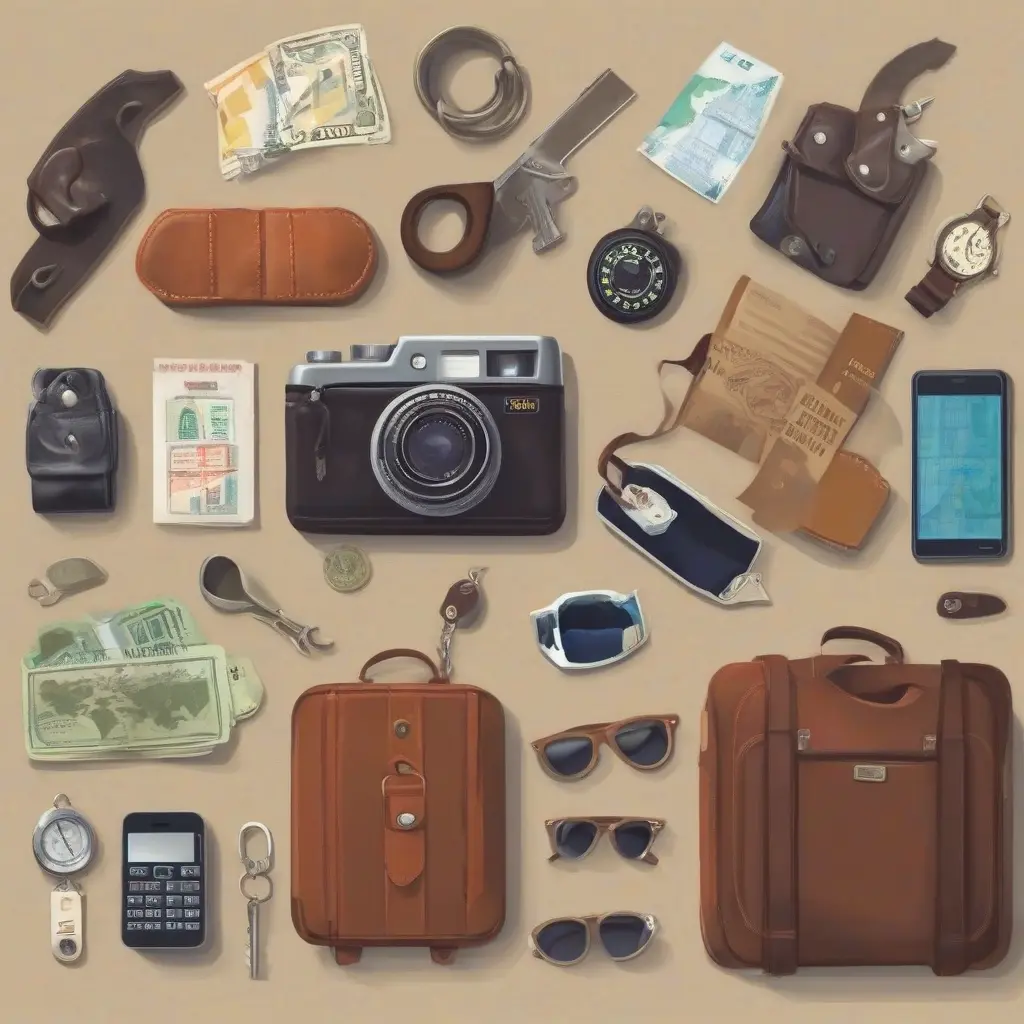
Keeping valuables secure is paramount while traveling. Consider using a money belt under your clothing to store important items such as passports, cash, and credit cards. When using accommodations, remember to use hotel safes when available, but only for items you absolutely cannot carry with you. This practice minimizes the risk of theft by keeping your most prized possessions closely guarded. Ensure your valuables are not easily accessible in your backpack and avoid placing them in outer pockets. By taking control of where you store your valuables, you can enjoy a more secure travel experience.
Be Aware of Your Surroundings
Maintaining awareness of your surroundings is crucial for personal safety while traveling. Engage in active observation of not only the people around you but also your environment. Avoid distractions like excessive phone usage or getting lost in navigation apps, as these can make you an easy target for thieves. Staying conscious of suspicious behavior or individuals can alert you to potential threats. Adopt a confident demeanor, as appearing aware and alert might dissuade would-be thieves. Make it a habit to periodically check your belongings to ensure they remain secure throughout your journey.
Travel with a Trusted Companion
Traveling with a trusted companion adds an extra layer of safety. A travel buddy not only offers emotional support but also enables shared vigilance, allowing you both to look out for each other and your belongings. Take turns monitoring your possessions while dining or engaging in various activities, ensuring that one person is always watching. Additionally, having someone else present can help deter unwanted interactions or potential thefts. Remember to plan your itineraries together, enabling you to stay aligned on safety measures and strategies while on the road.
Divide Your Cash and Cards
Dividing your cash and cards is a smart tactic to reduce the risk of losing all your money at once. When traveling, it’s advisable to keep some cash in different locations, like your money belt and another compartment in your bag. In case of loss or theft, having a backup stash ensures you won’t be completely out of funds. Additionally, consider having a prepaid travel card as a secondary payment method, allowing you to limit the amount stored in your primary wallet or purse. This measure enhances your safety, ensuring you remain financially prepared during any unforeseen situations.
Limit Digital Footprint on Public Wi-Fi
Using public Wi-Fi can expose you to cybercrime, including identity theft. To protect your personal information, avoid accessing sensitive accounts or making financial transactions while on unsecured networks. Instead, opt for a Virtual Private Network (VPN) to provide added security for your online interactions. Remain cautious about sharing personal or travel details on social media platforms, as eager thieves might target your absence at home. Limiting your exposure online ensures that your digital footprint doesn’t attract unwanted attention, allowing you to enjoy your travels without unnecessary stress.
Be Cautious with Sharing Itinerary
While sharing your travel itinerary can be tempting, it’s essential to exercise caution regarding whom you share it with. Discretion is key, as sharing detailed plans with strangers or acquaintances could jeopardize your safety. Instead, share your itinerary with trusted friends or family members who can keep track of your whereabouts. Using secure messaging apps for communication can also safeguard your plans. Keeping travel details private reduces the risk of unwanted interference or theft, allowing you to fully immerse yourself in the experience without fear of compromise.
Trust Your Instincts
Trusting your instincts is one of the most valuable skills you can develop while traveling. If a situation feels uncomfortable or suspicious, don’t hesitate to remove yourself from it. Your intuition often detects subtle signs that might indicate danger before you consciously recognize them. Stay attuned to your emotional responses and be brave enough to prioritize your safety over politeness. When traveling, always choose safety over social norms, and don’t second-guess your gut feelings. Adopting a proactive approach can help you avoid precarious situations and maintain a safe travel experience.
Stay Informed About Local Laws
Understanding the local laws and regulations of your destination is essential for safe traveling. Certain behaviors that are acceptable in your home country may not be tolerated elsewhere, leading to misunderstandings or legal issues. Familiarize yourself with regulations regarding personal items, street behaviors, and local customs to navigate your trip seamlessly. Engage in research or consultations to equip yourself with necessary knowledge about your location. Being informed enables you to act responsibly, reducing the likelihood of unexpected encounters that could jeopardize your safety or lead to theft.
Stay Connected with Emergency Contacts
Maintaining connectivity with emergency contacts is crucial for a safe trip. Before traveling, compile a list of local emergency numbers and ensure your mobile device is capable of international communication. This list should include local police, embassy contacts, and trusted friends or family members who can assist in case of an emergency. Share your travel plans within your network, ensuring they’re aware of your itinerary. This way, if anything goes wrong, you have a support system readily available to help you navigate the situation. Being prepared can enhance your safety significantly while traveling.
Conclusion
In conclusion, preventing theft while traveling requires awareness, preparation, and sound practices. By understanding potential threats and implementing effective safety strategies, you can significantly mitigate risks. From using anti-theft bags to trusting your instincts, every step you take enhances your security and enables a more enjoyable travel experience. Remember to remain vigilant, stay informed, and communicate with your support network. By adopting these measures, you not only protect your belongings but ensure that your travels are memorable for all the right reasons.