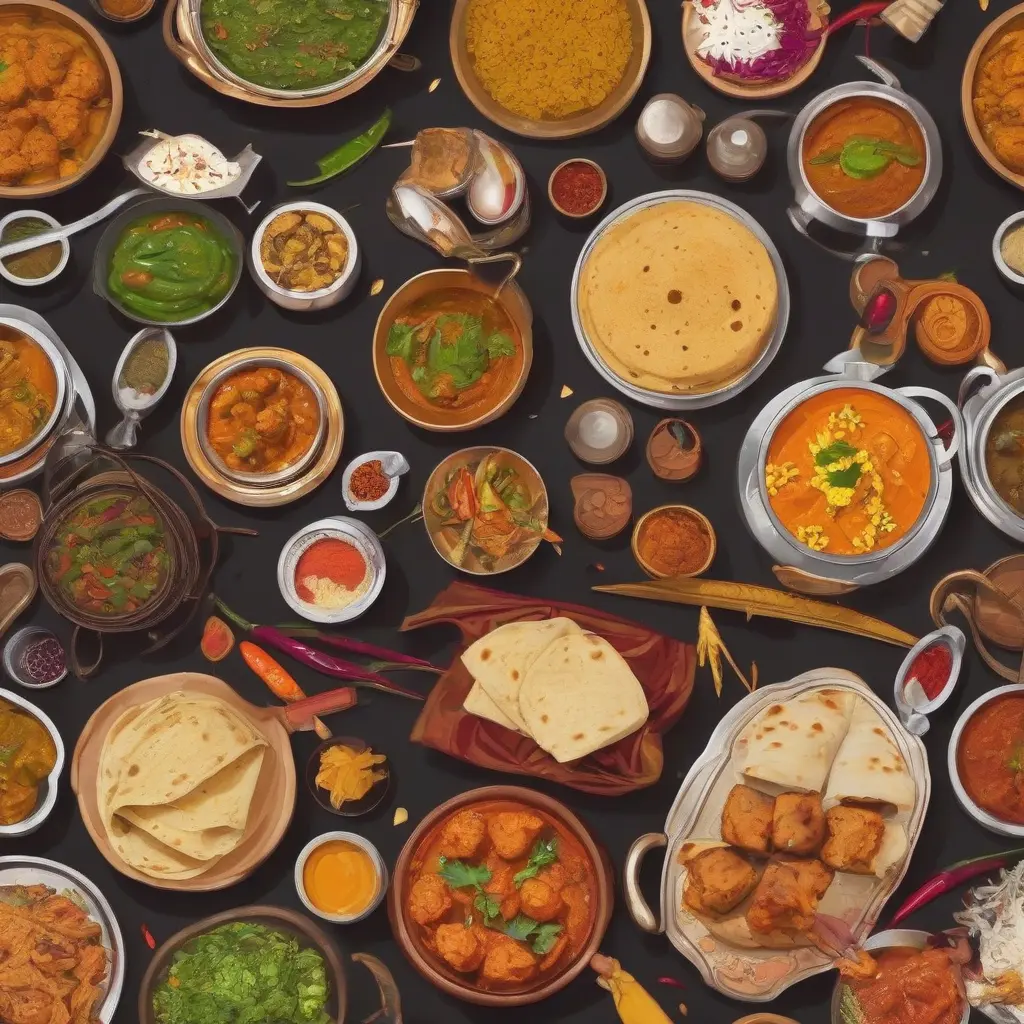
Experiencing Indian cuisine can be a delightful adventure, offering a variety of flavors and textures that captivate the palate. However, the risk of foodborne illnesses looms, especially when traveling. To savor the rich culinary landscape of India safely, it is crucial to be informed and prepared. From street food options to restaurant selections, understanding how to choose and consume food safely will ensure a delicious and healthy trip. This guide will provide essential tips for safely enjoying Indian cuisine without compromising your health.
Research the Local Cuisine
Before indulging in local Indian cuisine, conducting thorough research is crucial. Different regions of India offer unique dishes influenced by local ingredients and cooking methods. Understanding these regional specialties can help you identify which foods are safe to eat and which ones might pose a risk. Focus on learning about traditional recipes and commonly used ingredients in each area. This foundational knowledge will empower you to choose dishes wisely, enhancing your culinary experience while minimizing health risks.
Choose Reputable Restaurants
Selecting a reputable restaurant can significantly reduce the risk of foodborne illnesses when enjoying Indian cuisine. Look for places that have good reviews and appear busy, as high customer turnover often indicates fresh food preparation. Check online platforms like Google Maps, TripAdvisor, or local food blogs for recommendations. Additionally, observing the cleanliness of the restaurant and the staff’s hygiene practices can provide insights into the quality of the food you are about to enjoy. Prioritizing reputable eateries is a smart strategy for safer dining.
Stay Away from Street Food
While street food is a vibrant part of Indian culture, it poses significant health risks, particularly for travelers. Contaminated water and improper food handling can lead to various gastrointestinal issues. If you still wish to try street food, opt for vendors that cook food to order and are popular among locals. Inspect the food preparation area for cleanliness and hygiene practices. However, be aware that even the most appealing street vendor may not meet safety standards, so exercise caution and prioritize your health.
Opt for Cooked Foods
When dining in India, choosing cooked foods over raw options is prudent. Cooking processes kill harmful bacteria and parasites that may contaminate food. Traditional Indian dishes often feature a range of cooked meats, vegetables, and lentils, making them both flavorful and safe. Samosas, curries, and biryanis are generally prepared with high heat, reducing potential health risks. Avoiding salads, unpeeled fruits, and other raw items is advisable, as these may be washed in local water that can harbor pathogens.
Drink Bottled or Filtered Water
Ensuring safe hydration is vital while enjoying Indian cuisine. Drinking local tap water can lead to serious digestive complications due to contamination. Opt for bottled or filtered water to stay hydrated and reduce health risks. When ordering beverages at restaurants, confirm that they use bottled water for drinks and ice. Avoid drinks made with tap water or homemade juices unless you’re confident in their safety. Staying hydrated without exposing yourself to harmful microbes is essential for a fulfilling culinary adventure.
Practice Good Hygiene
Maintaining good personal hygiene can significantly help you enjoy Indian cuisine safely. Washing hands before meals is essential, especially after visiting a public place. Carry hand sanitizer for situations where soap and water are not available. Using utensils instead of your hands can also reduce the risk of contamination. Observing good hygiene practices is a crucial aspect of your travel experience, ensuring that you enjoy the delicious offerings of Indian cuisine without falling victim to foodborne illnesses.
Be Mindful of Spices and Allergens
Indian cuisine is renowned for its rich use of spices, which can be a source of joy or discomfort, especially for those unaccustomed to them. If you have specific dietary restrictions or allergies, it’s essential to communicate clearly with restaurant staff about your needs. Many traditional Indian dishes can be adjusted to suit allergies or intolerances. Also, understand that a dish may taste milder but can still contain spices that might trigger reactions. Being proactive about your health will enhance your food experiences.
Know the Symptoms of Foodborne Illness
Familiarizing yourself with the symptoms of foodborne illnesses can help you act swiftly if issues arise. Common signs include nausea, vomiting, diarrhea, and stomach cramps, usually appearing within hours or days after consuming contaminated food. If you experience any of these symptoms, it’s important to stay hydrated and seek medical attention if they persist. Understanding these symptoms not only enables you to take immediate action but also increases your awareness during your culinary explorations.
Stay Informed About Local Health Risks
Staying informed about local health risks is a critical aspect of safe travel, especially when it involves eating. Consult travel advisories and health resources to understand any current outbreaks or advisories related to food and water safety in the region you’ll be visiting. Local health officials may provide crucial information about safe eating practices and current situations regarding foodborne illnesses. Being informed allows you to make proactive decisions and safeguard your health while enjoying local cuisines.
Conclusion
Experiencing Indian cuisine can be both safe and pleasurable if you follow essential precautions. By researching local foods, choosing reputable restaurants, and being mindful of hygiene and hydration, you can enjoy a rich culinary landscape without risking your health. Remember to stay informed and proactive regarding potential health risks, ensuring that your journey through the vibrant world of Indian flavors is both memorable and healthy.