Traveling in India offers a rich cultural experience and breathtaking landscapes, but staying connected is vital for navigation, communication, and sharing memories. With a variety of mobile plans and Wi-Fi options available, you can maintain seamless connectivity during your journey. This guide will explore the best mobile plans, local SIM cards, free Wi-Fi hotspots, and useful tips for travelers looking to stay connected while exploring India’s diverse regions.
Understanding Mobile Plans in India
India offers a variety of mobile plans to suit different needs, ranging from prepaid to postpaid options. Prepaid plans are particularly popular among travelers due to their flexibility and lack of long-term commitments. Major providers like Airtel, Jio, and Vi (Vodafone Idea) offer affordable plans with generous data allowances, calling minutes, and validity periods. Travelers can choose plans based on their duration of stay, daily data usage, and specific requirements, making it essential to compare different options for the best value.
Getting a Local SIM Card
Acquiring a local SIM card in India is an effective way to access mobile data and local calling while on the go. To buy a SIM card, travelers must present an ID proof, passport-sized photographs, and a local address, which can often be provided by the hotel or guesthouse. Once activated, local SIM cards offer competitive rates for calls and data usage. International tourists usually prefer prepaid plans due to their simplicity, and getting a SIM at the airport can also save time upon arrival.
Best Prepaid SIM Options for Tourists
For tourists, popular prepaid SIM options include Airtel, Jio, and BSNL, each providing diverse plans tailored to different Internet usage needs. Airtel is known for its extensive network coverage across urban and rural areas while Jio offers competitive pricing and unlimited plans. BSNL, although slightly less popular, is a strong choice for rural coverage. Researching the best plan for your specific route and data needs can enhance connectivity, ensuring that you can stay in touch with friends and family while exploring India.
Using Mobile Data Wisely
Managing mobile data usage is crucial for travelers who rely on their smartphones for navigation and communication. To conserve data, consider downloading maps and essential travel apps prior to your trip, enabling offline access. Additionally, limit data-intensive activities such as video streaming and large downloads while connected to mobile networks. Adjusting settings to restrict background data usage can also help prolong your data allowance, ensuring you stay connected throughout your travels in India.
Accessing Free Wi-Fi Hotspots
Free Wi-Fi hotspots can be a fantastic resource for travelers looking to save on mobile data. Many cafes, restaurants, and hotels in urban areas offer free Wi-Fi, allowing visitors to connect while enjoying a meal or beverage. Public transportation hubs such as airports and train stations also often provide complimentary Wi-Fi. However, it’s essential to use a VPN when accessing sensitive information on public networks, as this adds an extra layer of security against potential cybersecurity threats.
Popular Apps for Staying Connected
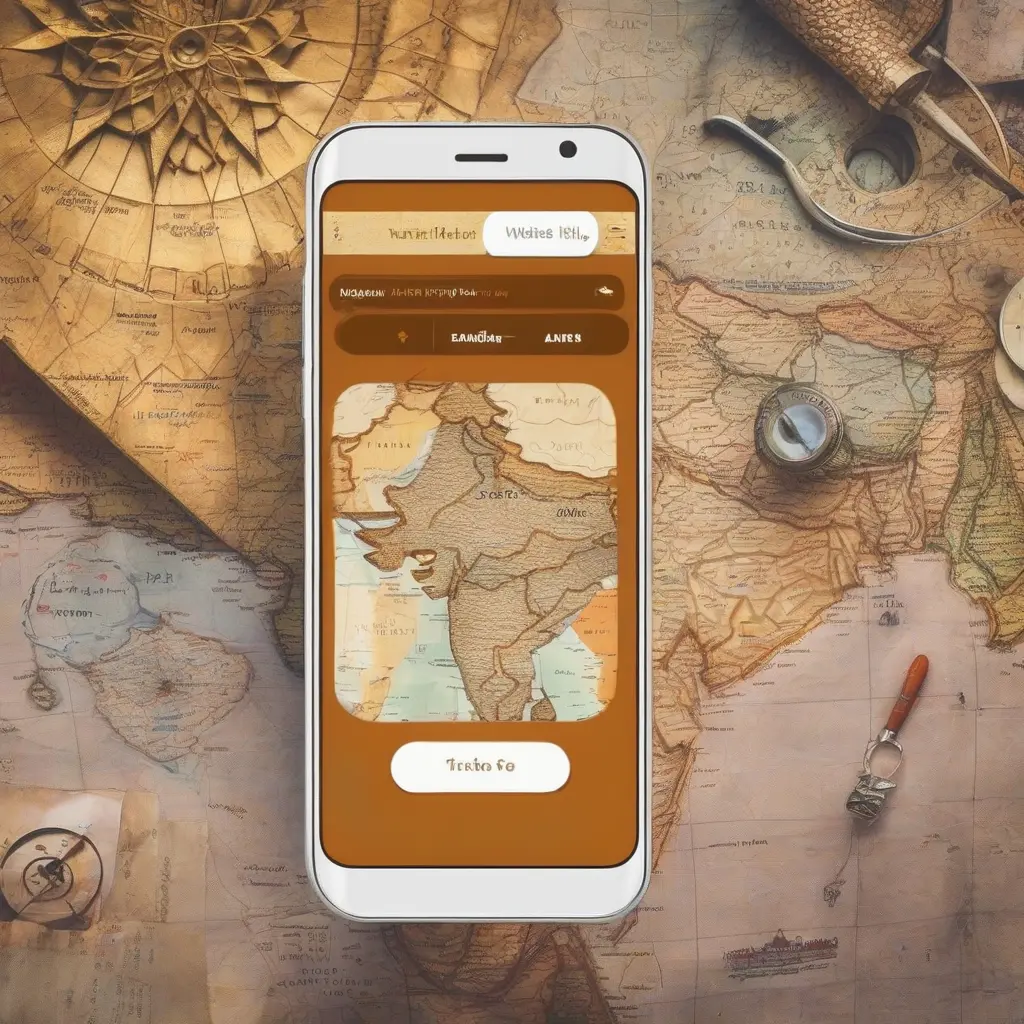
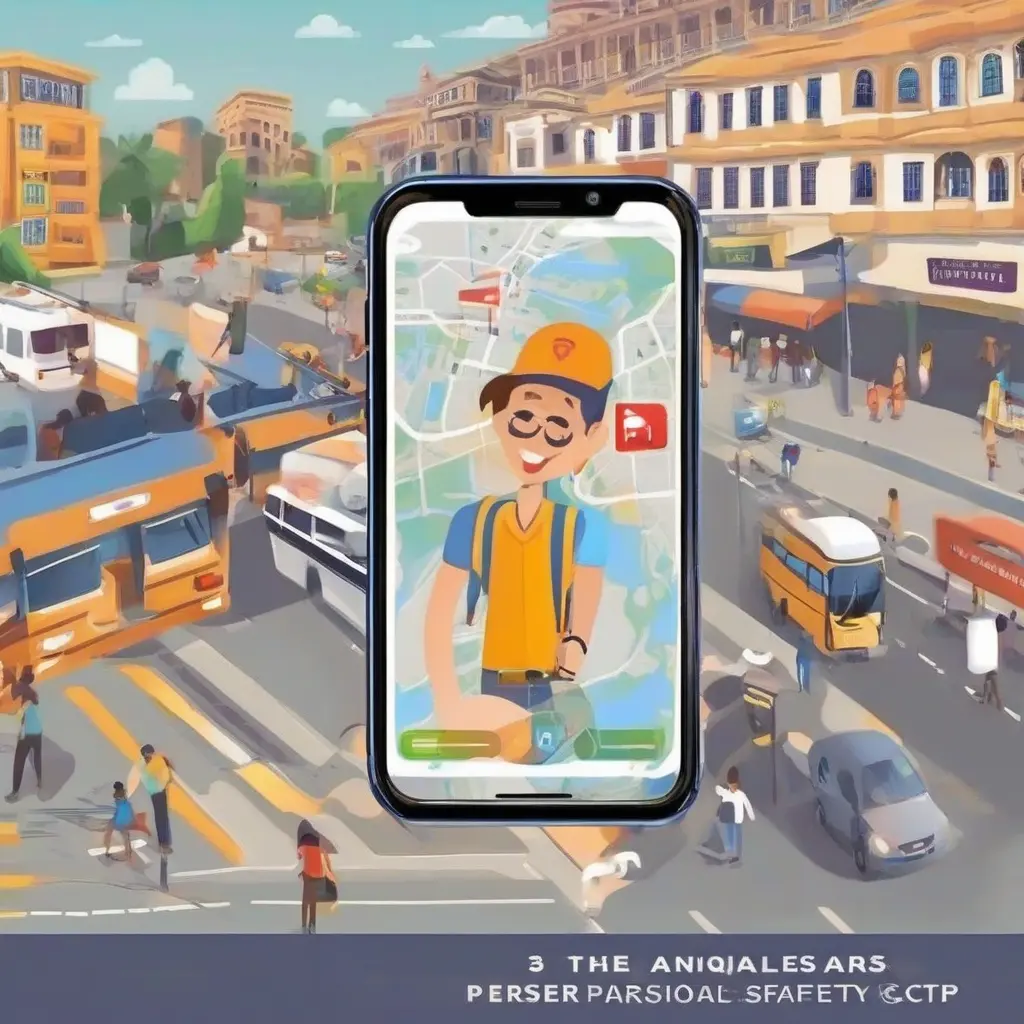
Using communication apps can significantly enhance your ability to stay connected while traveling in India. WhatsApp and Telegram are widely used for messaging and voice calls, making them essential for communication with friends and family. In addition, apps like Google Maps facilitate navigation and help you discover local attractions. Social media platforms such as Instagram or Facebook can keep you connected with your network, allowing you to share your travel experiences in real-time.
Connecting with Internet Cafes
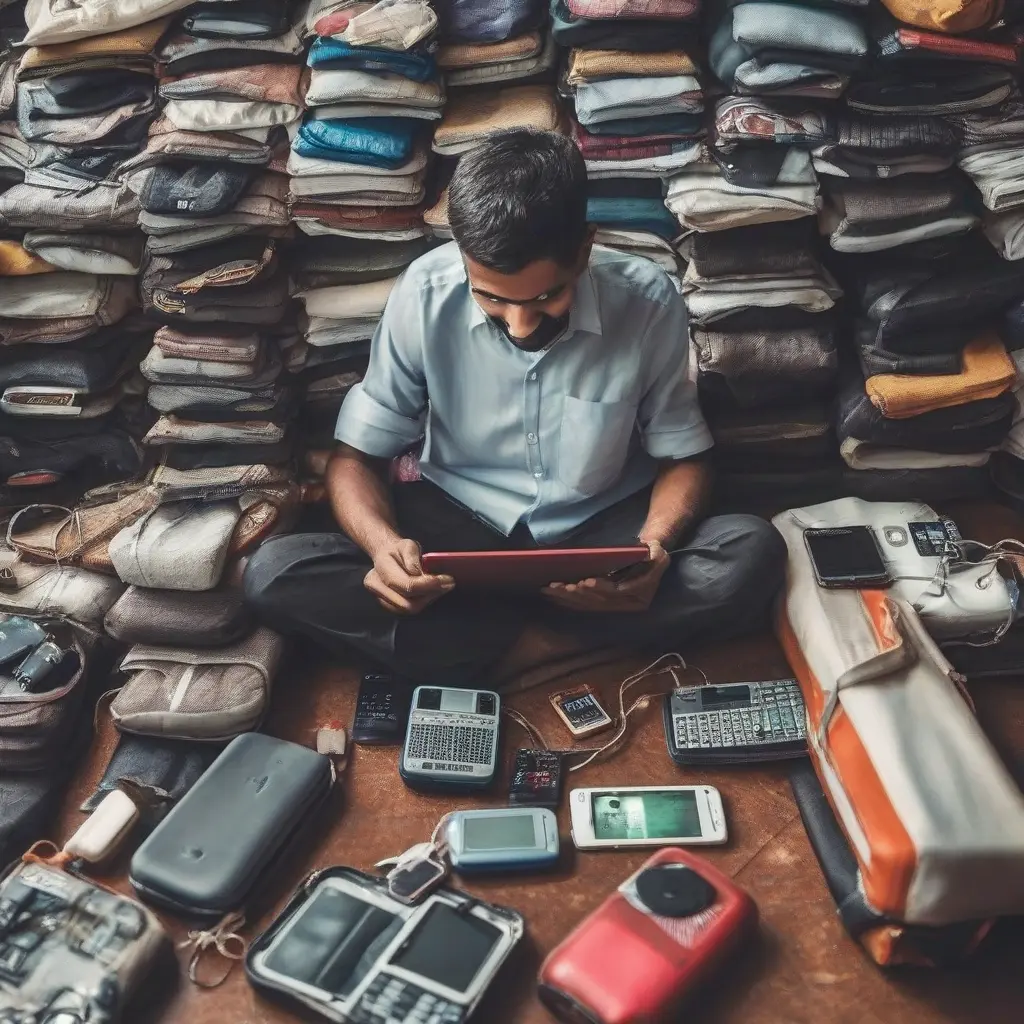
Internet cafes remain a viable option for travelers needing to connect online without using mobile data. Found in most cities and towns, these establishments usually offer affordable hourly rates for computer access and high-speed internet. While cafes can be a reliable connectivity option, you may encounter some limitations based on equipment quality and speed. Internet cafes also provide a chance to recharge your devices and enjoy engaging conversations with locals, enhancing your travel experience.
Tips for Managing Connectivity Issues
During your travels in India, connectivity issues can occasionally arise due to network congestion or geographical challenges. To mitigate these risks, ensure that your selected mobile provider has a strong signal in the areas you plan to visit. Downloading offline content and maps before departing can also provide a fallback when connectivity fails. Moreover, if you experience persistent issues, switching to a different provider or using Wi-Fi options can help you stay connected while on the move.
Security Considerations for Travelers
When staying connected in India, travelers should remain mindful of security. Use strong, unique passwords for apps and accounts, especially when logging into public Wi-Fi. Enabling two-factor authentication wherever possible can also enhance security. Avoid accessing sensitive information, such as banking details, on public networks without using a reliable VPN. Taking these precautions helps protect personal data and enhances your cybersecurity while you enjoy all that India has to offer.
Conclusion
Staying connected while traveling in India is crucial for a seamless and enjoyable experience. By understanding mobile plans, securing a local SIM, utilizing free Wi-Fi, and implementing security measures, travelers can ensure they remain connected throughout their journey. With the right approach, managing connectivity can enhance the travel experience by allowing for easy communication and navigation as you explore the diverse landscapes and cultures of India.