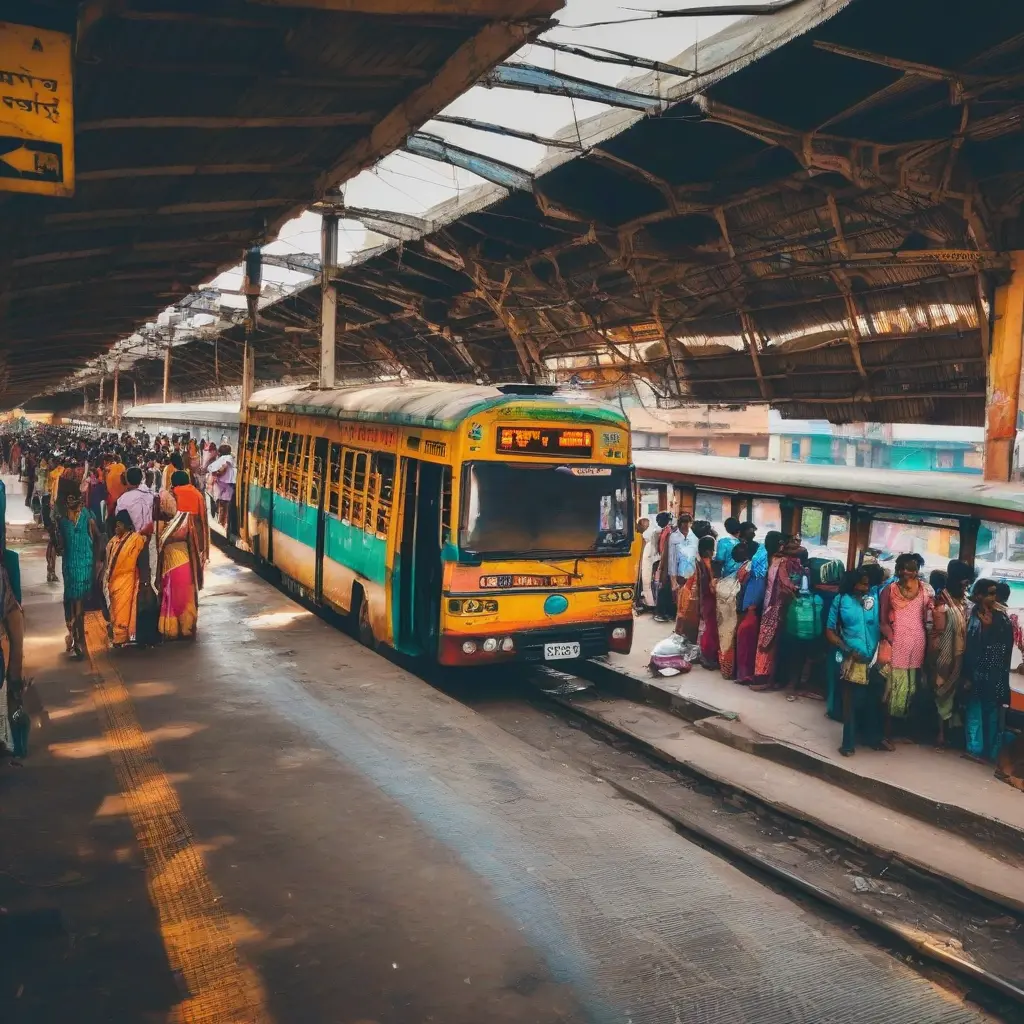
India’s public transport system is a bustling network that offers a variety of travel options for first-time visitors. From vibrant city buses to comprehensive rail networks, navigating this system can seem overwhelming. However, by understanding the available options and learning a few basic tips, you can make your journey smoother and more enjoyable. Exploring India’s public transport will not only help you reach your destination but also allow you to experience the country’s rich culture and daily life. Let’s dive into essential tips to navigate this dynamic transport landscape.
Understanding India’s Public Transport Options
India offers an array of public transport options, including buses, trains, rickshaws, and metro systems. Each mode of transport has its unique advantages and is suited to different needs. City buses are often the most economical choice but can be crowded. Trains, especially in major cities, provide fast and efficient travel but require advance planning due to ticket availability. Auto-rickshaws and cycle-rickshaws are perfect for short distances, allowing visitors to experience the local atmosphere while enjoying flexibility. Lastly, metros in cities like Delhi and Mumbai offer a swift solution, avoiding street traffic.
Using Public Transportation Apps
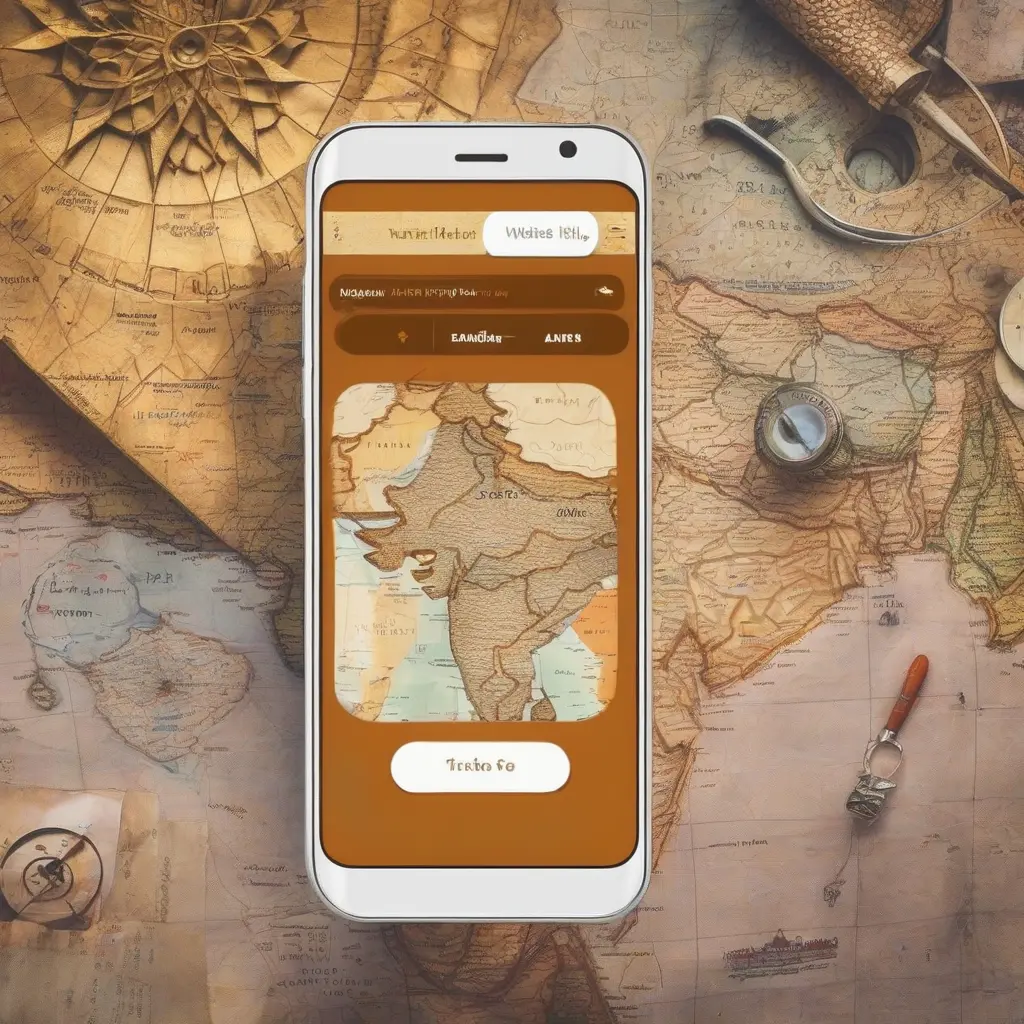
Several mobile apps can simplify navigating India’s public transport system for first-time visitors. Apps like Ola and Uber provide reliable ride-sharing services that can be booked directly via smartphones, ensuring ease of payment and communication. For accessing bus or metro schedules, local apps like Delhi Metro Rail Corporation (DMRC) app offer real-time updates on train timings and route information. Utilizing these technology tools not only saves time but also enhances the overall travel experience, providing visitors a sense of security and convenience.
Buying Tickets: A Step-by-Step Guide
Navigating ticket purchasing in India’s public transport can be daunting. For trains, consider downloading the IRCTC app or visiting their website to book tickets in advance. For metro systems, ticket machines and counters are available, usually accepting cash and cards. Many cities also have smart card systems that offer discounts on fares. When using buses, exact change is often required, as many do not provide change for larger notes. Familiarizing yourself with these ticketing processes in advance can significantly minimize confusion and delays during your travels.
Safety Tips for Public Transport
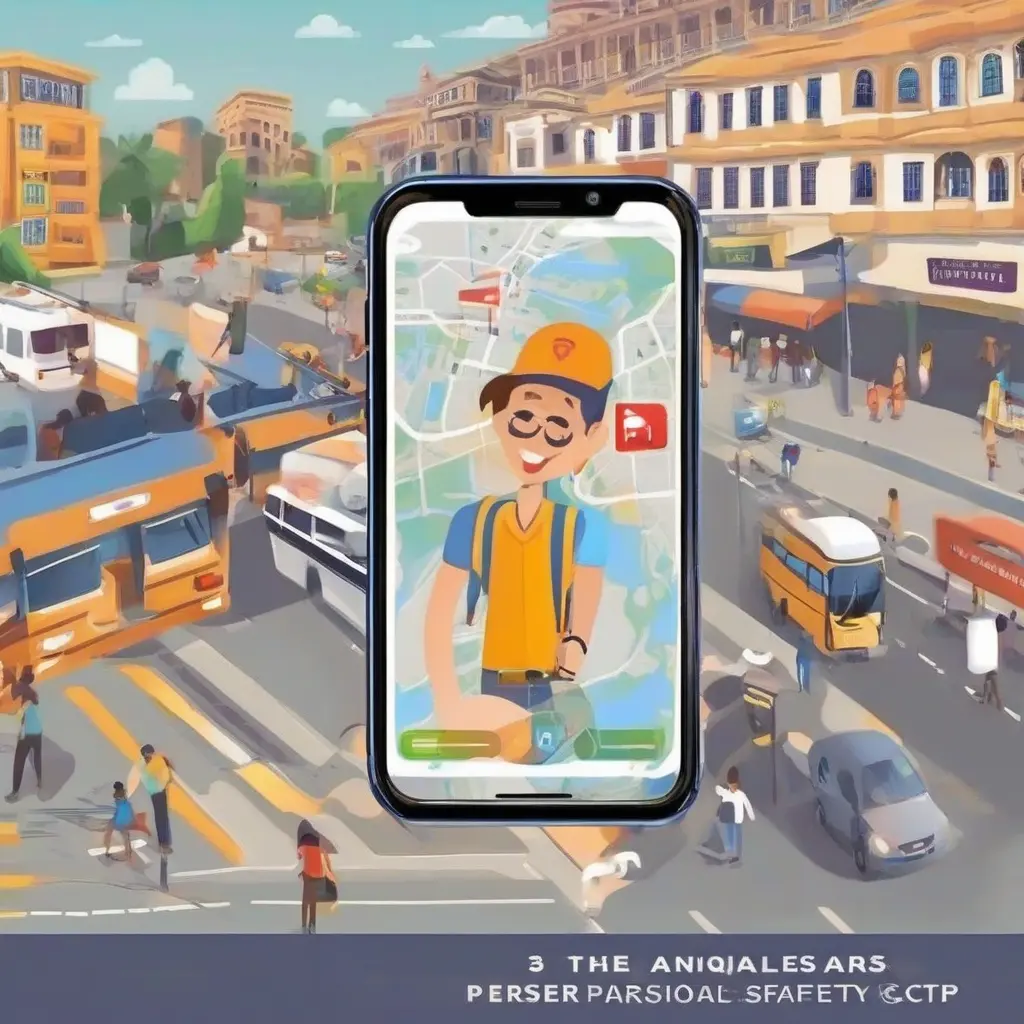
Safety is paramount when utilizing public transport in India. Always remain vigilant of your surroundings, especially in crowded areas. Keep valuables secured and avoid displaying expensive items. During peak hours, be prepared for crowded buses and trains, and avoid traveling alone at night, especially in unfamiliar areas. It’s advisable to respect local customs and accepted behavior, as this promotes a safer environment. By following these simple safety tips, you can ensure a more comfortable and secure public transport experience.
Cultural Etiquette on Public Transport
Understanding cultural etiquette is essential for first-time visitors using public transport in India. Men and women often have designated seating areas, particularly on trains and metros, with specific rules that respect local traditions. Offering your seat to elderly passengers or pregnant women is customary and welcomed. Engaging in respectful conversation with locals can enhance your travel experience, but be mindful of personal space, especially in crowded conditions. Being conscious of these cultural nuances not only aids in your navigation but also fosters friendly interactions with local residents.
Timing Your Travel: Best Times to Use Public Transport
Timing is crucial when planning to use public transport in India. Peak hours, typically between 8 AM to 10 AM and 5 PM to 8 PM on weekdays, often result in overcrowded buses and trains. For a more pleasant experience, consider traveling during off-peak hours when public transport is less crowded and more comfortable. Additionally, many metro systems operate with extended hours, allowing flexibility in travel plans. Being strategic about when you travel can significantly enhance your overall experience.
Exploring Unique Local Transport Options
In addition to standard public transport, many regions in India offer unique local transportation options. For instance, in rural areas, one might come across bullock carts or boats for river crossings. In popular tourist destinations, cycle tours can provide an engaging way to explore while offering a more personal look at the surroundings. While these modes may not be as comfortable as urban transport, they provide an authentic glimpse into local life and culture. Experimenting with these alternatives can enhance your travel adventure in India.
Navigating Language Barriers
Language can present a challenge for first-time visitors utilizing public transport in India. While Hindi and English are widely spoken, many locals may not be fluent in English, particularly in rural areas. To bridge this gap, consider learning a few basic Hindi phrases or utilizing translation apps to assist in communication. Additionally, having destinations written down in local script can be a significant help when asking for directions or navigating transport systems. Embracing these strategies fosters smoother interactions and a more enriched travel experience.
Finding Your Way Around Cities
For first-time visitors, finding your way around Indian cities using public transport can be challenging. Each city has its unique layout and transport systems, so familiarizing yourself with maps and routes is essential. Many cities offer printed guides or online resources detailing public transport networks. Engaging with local residents for directions can also be beneficial, as they often provide valuable insights regarding which routes are safe and efficient. Investing some time in navigation preparation can enhance your travel experience immensely and minimize confusion.
Handling Unexpected Situations
Unexpected situations may arise while navigating India’s public transport system, such as delays or sudden changes in plans. Staying calm and adaptable is essential in these circumstances. Always have a backup plan, whether that involves knowing alternative routes or having emergency contacts readily available. Downloading offline maps can also help in case of network issues. By maintaining a flexible attitude and being prepared for the unexpected, you can efficiently handle challenges that may come your way, ensuring a hassle-free travel experience.
Conclusion
Navigating India’s public transport system requires preparation, patience, and an open mind. By understanding various transport options, utilizing technology, respecting local etiquette, and staying aware of safety measures, first-time visitors can enjoy a rich and immersive travel experience. Embracing these essential tips will not only facilitate your journey but also enhance your interactions with the vibrant culture that India has to offer. With this knowledge in hand, you are now better equipped to explore and enjoy the diverse landscapes and cultures across the country.