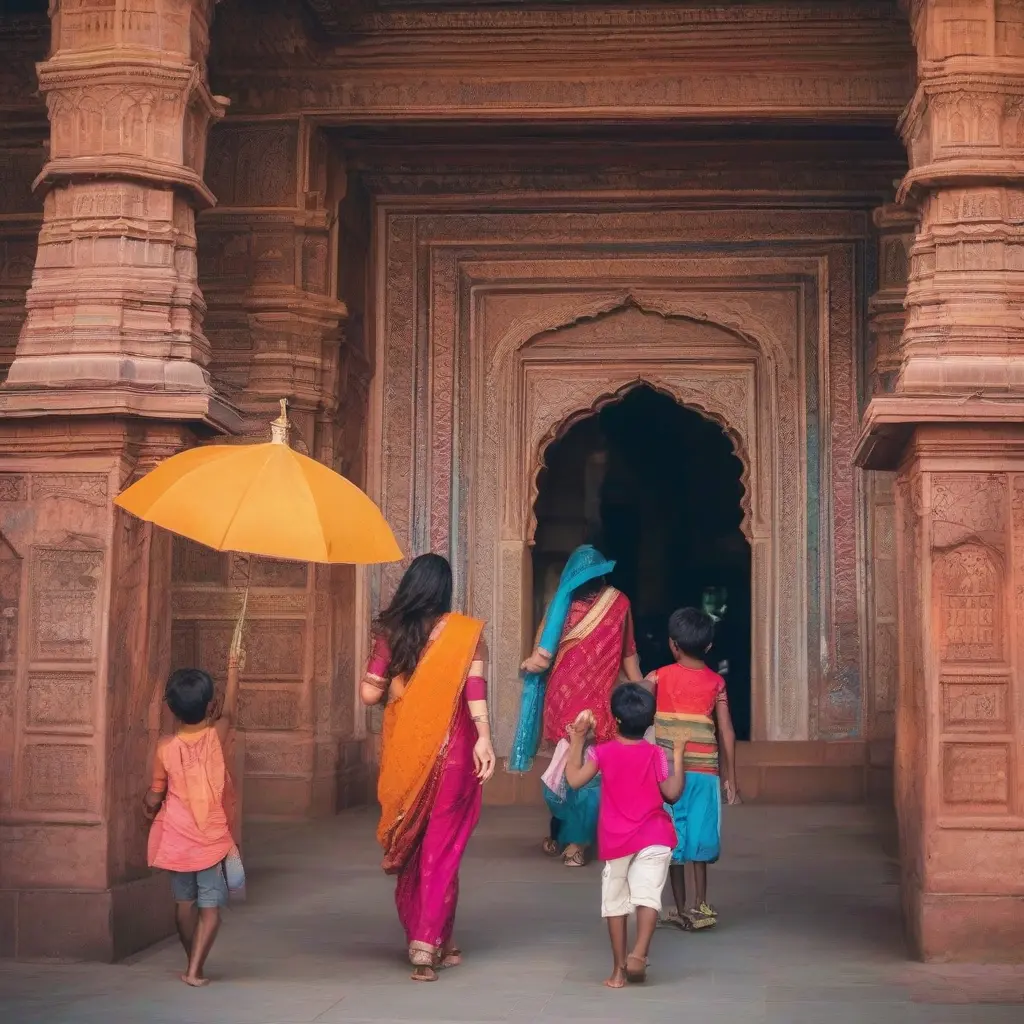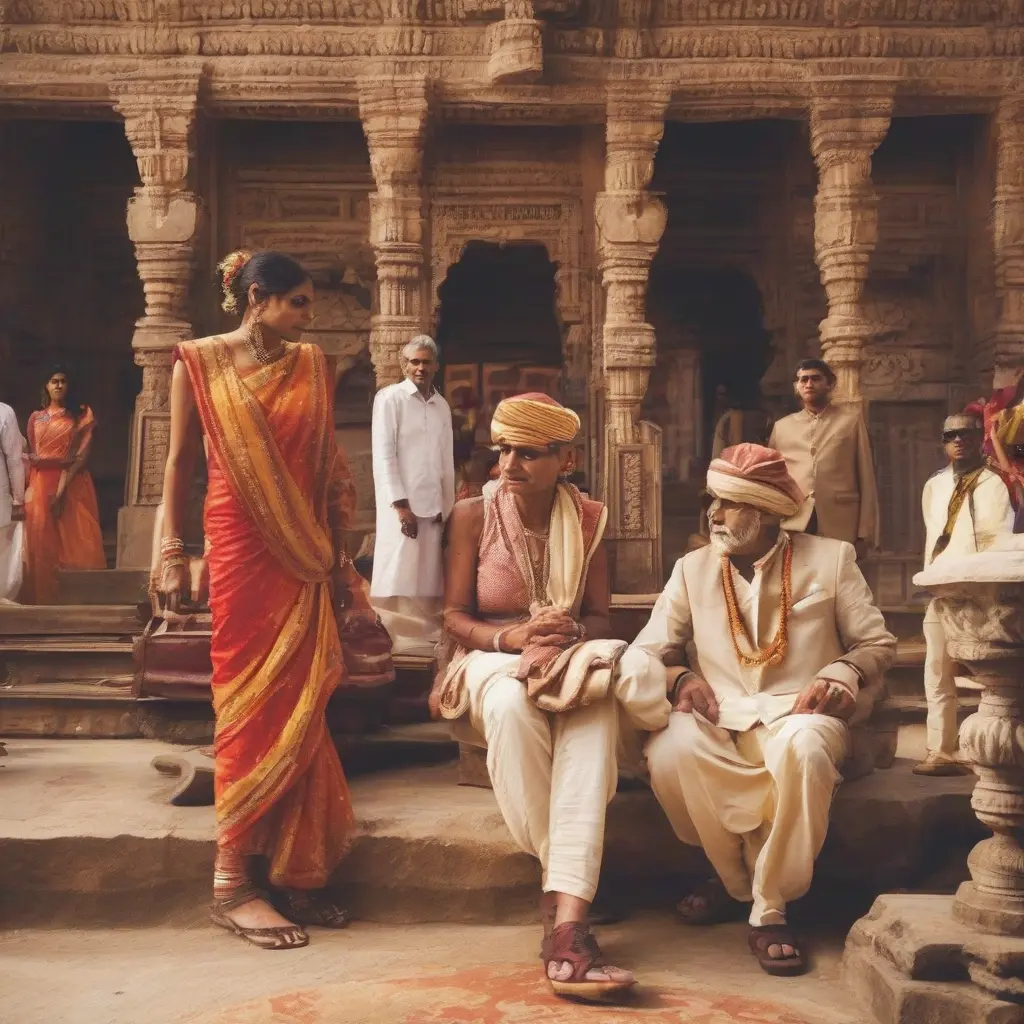
Traveling to India offers a rich tapestry of culture, history, and diversity. However, understanding the customs and etiquette can greatly enhance your experience. India boasts a myriad of languages, religions, and traditions, making awareness of local practices essential. From greeting locals to dining customs, being respectful can foster connections and ensure you navigate your journey smoothly. This guide aims to provide you with insights into Indian customs and how to behave appropriately in various social scenarios.
Understanding Greetings in India
In India, greetings vary widely based on region and context. The traditional greeting, ‘Namaste,’ is often accompanied by a slight bow and hands pressed together. This gesture signifies respect and acknowledges the divine in the other person. In urban settings, a handshake is also commonly accepted, especially among men. Women may prefer a nod or a smile, as physical contact can vary culturally. Familiarizing yourself with these greeting customs can help you make a positive impression during your travels.
Respecting Religious Practices
India is home to multiple religions, including Hinduism, Islam, Christianity, Sikhism, and Buddhism, among others. Each religion has unique practices and rituals. When visiting religious sites, it is crucial to dress modestly, covering shoulders and knees, and to remove shoes before entering temples or mosques. Additionally, be mindful of local customs, such as not bringing leather items into certain temples. Understanding and respecting these practices will not only show your respect but also deepen your appreciation for India’s rich spiritual heritage.
Dining Etiquette in India
Dining in India can be a delightful experience, but it’s important to understand local dining etiquette. Generally, meals are shared, and it’s customary to eat with the right hand, as the left hand is considered unclean. If offered food, it is polite to accept, even if just a small portion. In many cases, traditional meals are served ‘thali-style,’ providing various dishes on a single plate. When dining with locals, wait until the host starts eating to begin yourself. This practice reflects shared respect and hospitality.
Dress Codes Across Regions
India’s dress code can differ significantly depending on the region and culture. In urban areas, western-style clothing is common and generally accepted, though modesty is key. In rural regions, traditional attire is prevalent, and wearing local clothing can be a sign of respect. For women, long skirts, loose trousers, and scarves can make interactions smoother. Men might prefer shirts with sleeves rather than sleeveless tops. Overall, dressing modestly respects local sensibilities and helps blend in with your surroundings.
Understanding Personal Space
The concept of personal space in India can differ from that in Western cultures. In crowded areas or during interactions, closer physical proximity is common, which might feel uncomfortable for some travelers. While engaging in conversations, especially in public places, be prepared for less physical distance. However, always remain respectful of individual comfort levels. If someone steps back or shows signs of discomfort, adjusting your distance is appropriate to maintain a courteous atmosphere.
The Importance of Hospitality
Hospitality is a fundamental aspect of Indian culture. Guests are often treated with the utmost respect and care, reflecting the traditional adage ‘Atithi Devo Bhava,’ meaning ‘The guest is God.’ If invited to a local’s home, it’s customary to bring a small gift, such as sweets or fruits, as a token of appreciation. Once there, accept food and drink graciously, even if you feel hesitant. This gesture signifies acceptance and respect toward your hosts, enhancing your cultural experience.
Communicating Effectively
Effective communication in India often requires sensitivity to cultural nuances. While many Indians are fluent in English, being mindful of tone and gestures can foster better connections. Attempting to speak a few words in local languages, particularly greetings or thank you, shows respect and can lead to warmer interactions. Additionally, maintain eye contact but be aware that too much may come off as intrusive. Listening actively and showing patience during conversations will enhance mutual understanding and respect.
Navigating Tipping Practices
Tipping in India can be a matter of confusion for travelers. While not obligatory, it is appreciated in many service sectors. In restaurants, a tip of 10-15% is customary unless a service charge is included. Similarly, in taxis and other services, rounding up to the nearest whole number is common practice. In hotels, leaving a small amount for housekeeping can go a long way. Being informed about these practices can ensure you show appreciation without appearing insensitive.
Public Behavior and Manners
Public behavior in India often reflects traditional values of decorum. Avoid loud conversations or public displays of affection, as these can attract unwanted attention and discomfort. While social norms are evolving in urban areas, maintaining a level of modesty and restraint is generally advisable. Additionally, it’s respectful to let elders go first in any social or public situations. Such gestures convey respect and adherence to cultural norms, making your interactions pleasant and acceptable.
Avoiding Sensitive Topics
When conversing in India, it’s wise to steer clear of sensitive topics that might cause discomfort or offense. Discussions about religion, politics, or caste systems can be particularly sensitive subjects. Instead, focus on neutral topics such as culture, food, and travel experiences. If someone does approach such subjects, listen politely, but avoid sharing strong opinions unless encouraged. This approach fosters friendships and shows your awareness of India’s nuanced social fabric.
Conclusion
Navigating Indian customs and etiquette is crucial for a rewarding travel experience. By understanding and respecting local traditions, you enhance your interactions and enrich your journey. Whether it’s through greetings, dining practices, or communication, patience and cultural awareness will deepen your appreciation of India’s vibrant tapestry. As you travel, embracing these customs will not only make your experience smoother but also create lasting memories with the people you meet.