Traveling to India means experiencing a rich tapestry of cultures and climates. The country’s weather varies significantly across regions and seasons, which can impact your health and safety during your visit. From the humid coasts of the south to the arid deserts of the northwest, understanding how to prepare will enhance your experience. This article outlines essential health and safety tips tailored to India’s diverse climate, ensuring you remain safe and healthy while enjoying your journey.
Understanding India’s Climate Zones
India features multiple climate zones, including tropical, arid, and temperate regions. This variation affects not only weather patterns but also the availability of necessary resources like clean water and shelter. The coastal areas typically experience heavy monsoons from June to September, while northern regions can get extremely cold winter temperatures. By researching the specific climate of your destination, you’ll be better equipped to pack appropriate clothing and gear suited for local conditions.
Packing Essential Clothing
When traveling in India, it’s critical to pack versatile clothing suitable for varying weather. Lightweight, breathable fabric is ideal for hot, humid conditions, while warmer layers are necessary for cooler areas like the Himalayas. Consider also including a rain jacket during monsoon season, as excessive rainfall can disrupt plans and affect outdoor activities. Additionally, modest clothing is advisable in many parts of India, respecting the local culture while ensuring comfort.
Staying Hydrated and Healthy
Staying hydrated is crucial, especially in India’s hotter regions where dehydration can occur rapidly. Opt for bottled water or water purification methods to ensure safety. Remember also to include electrolyte-rich beverages to replenish lost minerals due to heat or activity. Avoid ice in drinks as it may not be made from purified water. Maintaining good hydration helps keep your energy levels stable during excursions, enhancing your travel enjoyment.
Protecting Against Insects
Insect-borne diseases are a concern in several regions of India, particularly during monsoon season. To protect yourself, use insect repellent containing DEET and wear long sleeves and pants, especially during dusk when insects are most active. Consider sleeping under mosquito nets if you’re staying in rural areas. Vaccinations and preventative medications for diseases such as malaria may also be recommended, so consult a healthcare provider before your trip.
Safe Eating Practices
Food safety is paramount when traveling in India, where street food is widely popular yet may expose travelers to health risks. Stick to freshly cooked meals and avoid raw fruits and vegetables unless you can peel them yourself. Drinking only bottled water and steering clear of dairy products from uncertain sources can help prevent foodborne illnesses. Familiarizing yourself with the local cuisine and understanding food safety guidelines will enhance your overall culinary experience.
Navigating Transportation Safely
Transportation in India can be a challenge due to the varied infrastructure and traffic conditions. Opt for reputable taxi services or rideshare applications to ensure safer travel within cities. When using public transportation, keep an eye on your belongings and remain aware of your surroundings. Research metro systems or train services beforehand to make informed decisions, especially during peak travel hours, and consider booking tickets in advance for intercity travel.
Staying Connected and Informed
While traveling in India, having access to communication tools can significantly enhance your safety. Acquiring a local SIM card can keep you connected for navigation and emergency contacts. Additionally, downloading offline maps and essential apps before your trip is recommended. Registering with your home country’s embassy upon arrival can be beneficial for receiving updates on local safety conditions, travel advisories, and emergency assistance.
Health Precautions and Vaccinations
Before your trip, ensuring you have the proper vaccinations is crucial. Common recommendations for travelers to India include vaccinations for hepatitis A, typhoid, and tetanus. Additionally, consider preventative treatments for diseases such as malaria, particularly if traveling to rural areas. Consulting with a healthcare professional several weeks prior to your trip can help you develop a tailored health plan, ensuring you’re adequately protected against illness.
Coping with Extreme Weather Events
India can experience extreme weather events such as floods, heatwaves, and cyclones, particularly in certain regions. It’s essential to stay informed about local weather forecasts before and during your trip. If severe weather is predicted, be prepared to alter your plans or seek shelter. Being aware of emergency contact numbers and local evacuation routes can also enhance your safety, ensuring that you’re ready to take appropriate action if needed.
Emergency Contacts and Local Resources
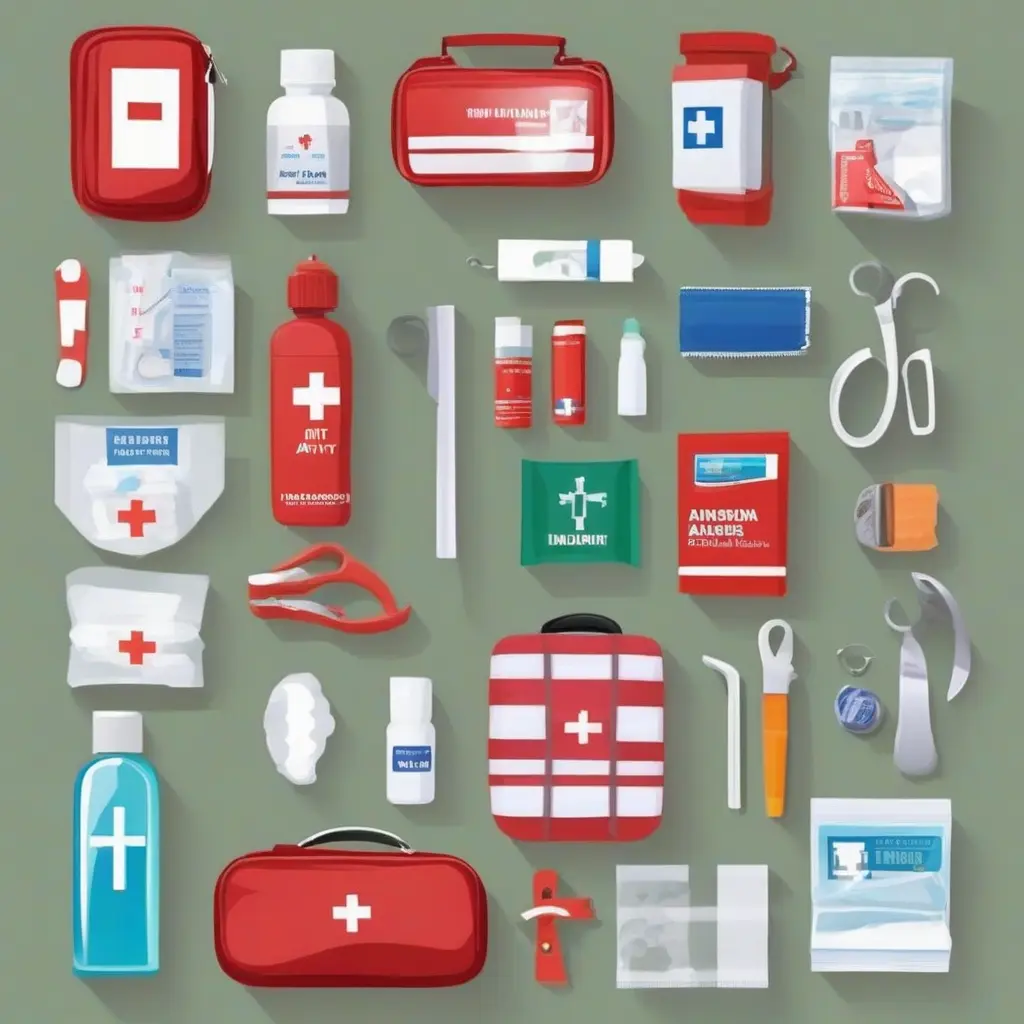
Familiarizing yourself with local emergency contacts is an important safety measure while traveling in India. Keep a list of numbers for local authorities, your country’s embassy, and nearest hospitals readily available. Additionally, many tourist hotspots provide information centers where you can find assistance in case of emergencies. Knowing where to seek help can give you peace of mind, ensuring a smoother travel experience despite challenges.
Conclusion
Preparing for India’s diverse climate requires thoughtful planning and awareness of local health and safety concerns. By following these essential tips, you can navigate the challenges of different weather conditions while safeguarding your health. Whether exploring bustling cities or serene landscapes, a well-informed approach will enrich your travel experience, allowing you to fully enjoy the beauty and culture that India has to offer.