Traveling on public transport in India can be both an adventure and a challenge. This vast country offers a diverse range of transportation options, from buses to trains, each with its own set of rules and unwritten guidelines. Understanding the do’s and don’ts of using Indian public transport is essential for ensuring a safe and enjoyable journey. This article presents practical tips to help travelers navigate the complexities of public transport while minimizing risks and maximizing comfort.
Research Your Route
Before embarking on your journey, it’s crucial to understand your route. Using maps or apps designed for navigation can provide you with insights into the transportation options available. Knowing which bus or train to take, how long the journey might take, and the stops along the way reduces anxiety and makes your travel more efficient. Researching your route in advance also helps you identify potential issues, such as overcrowded services or delayed schedules, allowing you to plan accordingly.
Use Official Transportation Services
Opting for official or government-operated transportation services ensures that your travel is monitored and more secure. These services generally follow standard protocols for safety, cleanliness, and reliability. For instance, using state-run buses and trains often provides a level of comfort and assurance. Be cautious of unregistered transport services, as they may pose safety risks and lack accountability. Always choose well-known and established providers to enhance your overall travel experience.
Secure Your Belongings
When traveling via public transport in India, it’s imperative to be vigilant about your belongings. Use anti-theft bags and keep your valuables close to you at all times. Consider using zippers and locks to secure your bags not just to deter theft but also to keep your possessions safe from accidental loss or carelessness. Being aware of your surroundings can also help you notice any suspicious behavior, allowing you to take action if necessary.
Avoid Traveling During Peak Hours
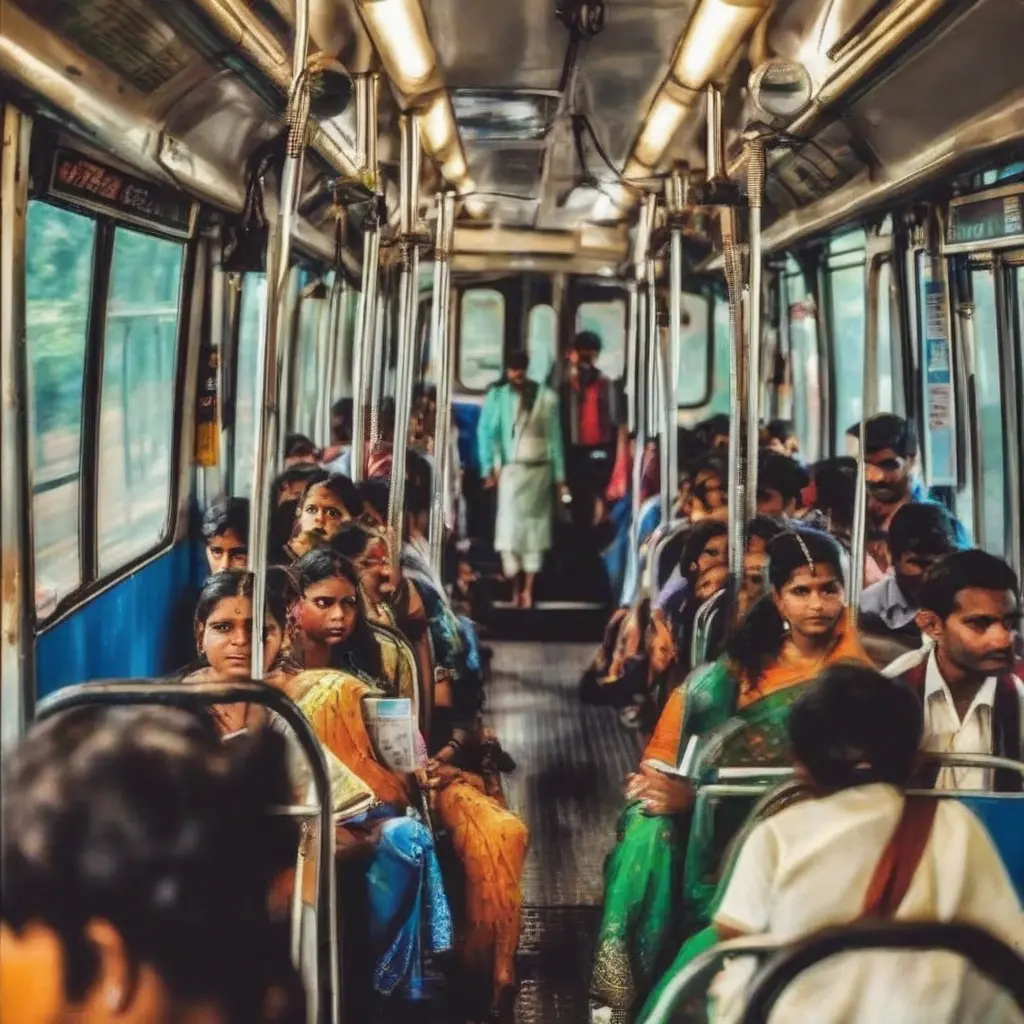
Traveling during peak hours can lead to overcrowded conditions on buses and trains, increasing the likelihood of discomfort and susceptibility to theft. If possible, plan your travels to avoid these busy times, usually occurring in the early morning and late afternoon. This way, you can enjoy a more relaxed environment, make use of available seating, and navigate more easily. Additionally, traveling during off-peak hours often translates to a more pleasant and less stressful journey.
Dress Appropriately for Comfort
Dressing appropriately is vital for comfortable travel on Indian public transport, as conditions can vary significantly. Lightweight, breathable fabrics are advisable for warm or humid weather, while warmer layers may be necessary for cooler regions or during the evening. Additionally, consider wearing closed shoes, which offer better protection and support, especially in crowded environments. Dressing modestly can also help you blend in with local customs, making your experience smoother and more enjoyable.
Stay Aware of Your Surroundings
Maintaining awareness of your surroundings is crucial when using public transport. This means observing the behavior of fellow passengers and staying alert to changes in your environment. Avoid engaging in distracting activities like using your phone or listening to music with headphones, as this can make you a target for theft or misconduct. Additionally, knowing emergency procedures, such as the location of exits and how to alert authorities, enhances your personal safety.
Trust Your Instincts
Trusting your instincts is vital when traveling on public transport. If a situation feels uncomfortable or unsafe, don’t hesitate to remove yourself from it. Whether it’s avoiding certain areas of a bus or train, or opting for a different route altogether, your intuition often provides valuable guidance. Always prioritize your safety over convenience—if something doesn’t feel right, it’s wise to take a step back and reassess your options.
Be Mindful of Cultural Norms
Being aware of and respecting local cultural norms is essential when traveling in India. This includes understanding behavioral expectations on public transport, such as how to interact with fellow passengers and recognizing appropriate public behavior. Familiarizing yourself with common practices, such as giving up your seat for the elderly or women, contributes to a more positive experience for both you and the locals. Cultural sensitivity fosters goodwill and can significantly enhance your travel experience.
Plan for Hygiene and Health
Health and hygiene should never be overlooked when using public transport. Carry hand sanitizer for quick cleaning, and consider wearing masks in crowded areas, especially during flu season or in case of health advisories. When eating or drinking, ensure that the items are from reputable sources. Additionally, make sure to stay hydrated, particularly on longer journeys. Small health precautions can make a great difference in your overall travel experience.
Know Emergency Contacts
Familiarizing yourself with local emergency contacts is an essential aspect of safe travel. Compile a list of important phone numbers, such as local police, your country’s embassy, and emergency medical services, which can provide quick assistance in case of an emergency. Keeping this information handy ensures that you can act swiftly should a situation arise. Additionally, inform someone you trust about your travel plans and check in periodically during your journey.
Stay Connected
Staying connected while traveling on public transport enhances safety and offers access to assistance when needed. Portable chargers can be invaluable, ensuring that your phone stays charged throughout the day. Use local SIM cards or data plans to maintain internet connectivity, allowing for easy navigation, communication, and real-time updates on travel conditions. Regularly updating friends or family about your whereabouts can add an extra layer of security.
Utilize Technology Wisely
Technology can be a great asset when navigating public transport in India. Utilize apps for booking tickets, checking schedules, and mapping routes to enhance your travel experience. Services like Google Maps and local transportation apps can provide real-time updates and alternative route suggestions. However, always ensure that your phone is secure and your personal data is protected, as public settings can sometimes pose digital risks. Smart technology use can vastly improve your convenience and safety.
Conclusion
Navigating Indian public transport can be an enriching experience when approached wisely. By following these do’s and don’ts, travelers can enjoy their journeys while ensuring their safety and well-being. Each tip contributes to a more pleasant experience, allowing you to focus on the beauty and diversity of India rather than the challenges of transport. With the right preparation and awareness, public transport can be a reliable and efficient way to explore this vibrant country.