Experiencing an Indian wedding is an extraordinary opportunity for foreign tourists to delve into the country’s vibrant culture. These elaborate festivities are rich in traditions, rituals, and colorful celebrations that showcase India’s diverse cultural heritage. Not only do they offer a glimpse of family bonds and rituals, but they also create a welcoming atmosphere that makes travelers feel like a part of the family. To navigate this unique cultural experience, tourists should familiarize themselves with key customs, attire, and the significance of various ceremonies, ensuring a deeper understanding and appreciation of these grand events.
Understanding Indian Wedding Traditions
Indian weddings are entrenched in centuries-old customs that vary by region, community, and religion. Common elements include the engagement ceremony, pre-wedding festivities such as Mehendi (henna application), and the grand wedding day itself, marked by rituals like the saat phere (seven circles around a sacred fire). Each ceremony holds its own significance and often includes traditional music, dance, and lavish décor. By understanding these customs, tourists can better appreciate the cultural importance behind each ritual, thus elevating their overall wedding experience.
Dress Code for Wedding Guests
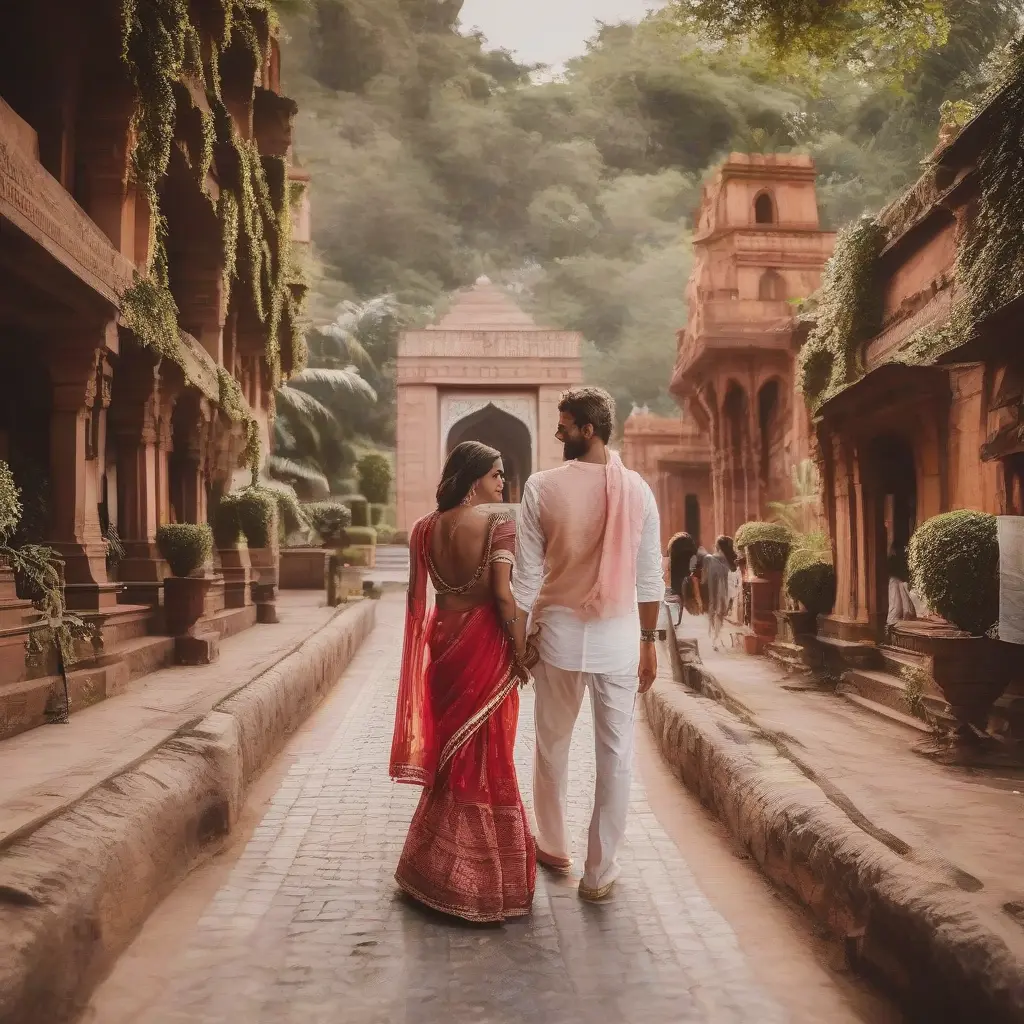
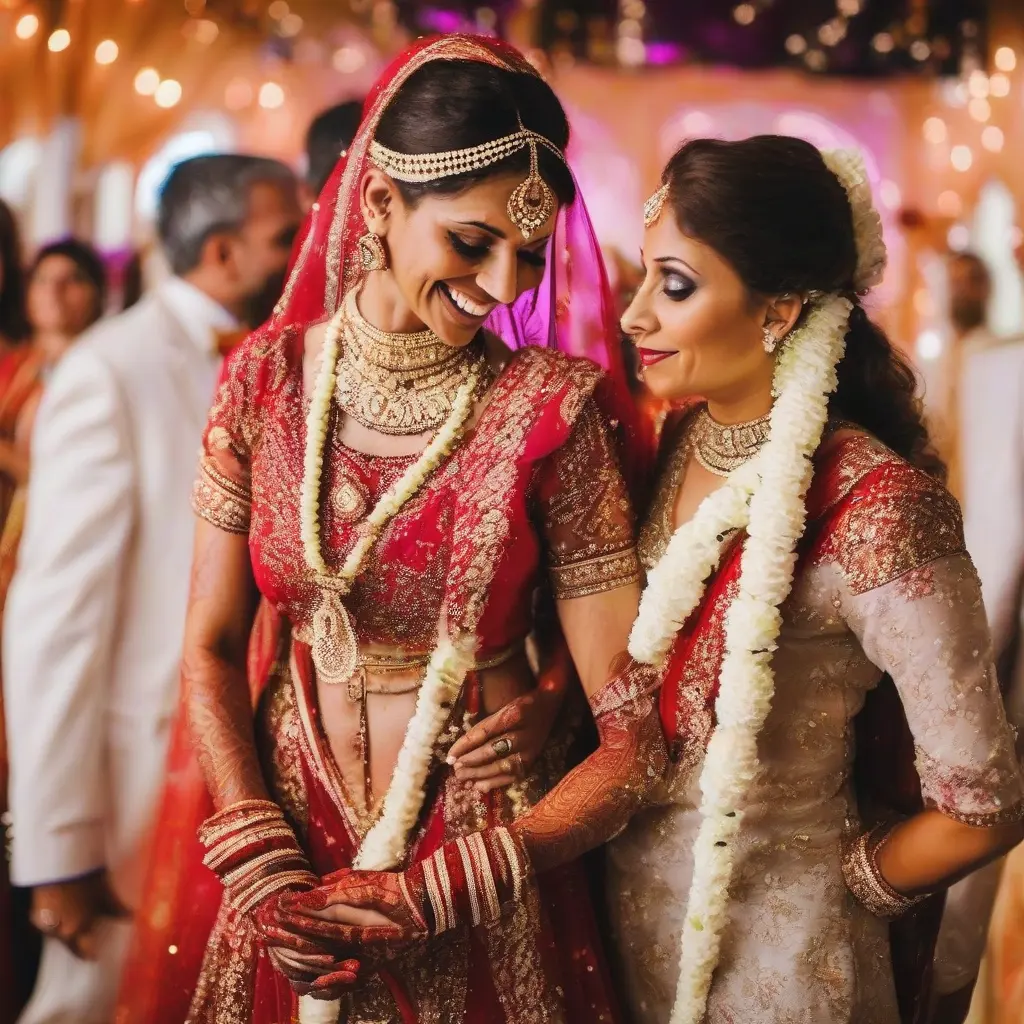
Appropriate attire is crucial when attending Indian weddings, with guests often donning traditional outfits that reflect the culture’s elegance. Women typically wear colorful sarees or lehengas, while men may opt for kurta pajamas or sherwanis. The significance of vibrant hues cannot be overstated, as bright colors symbolize joy and festivity. Tourists are encouraged to respect cultural norms by dressing modestly and avoiding white or black outfits, which are usually reserved for mourning. This attention to dress not only shows respect but also helps visitors blend in with the celebratory atmosphere.
Participating in Pre-Wedding Celebrations
Many Indian weddings incorporate a range of pre-wedding celebrations that allow guests to engage in fun-filled activities. Events like the Sangeet, which combines music and dance, are a fantastic opportunity for tourists to experience local songs and dance styles. Other ceremonies such as Haldi involve applying turmeric for blessings, often resulting in playful interactions. Tourists are encouraged to participate actively, as engaging in these celebrations enhances mutual enjoyment and creates lasting memories, all while showcasing genuine interest in local customs.
Being Mindful of Cultural Sensitivities
While attending an Indian wedding, it’s essential to be mindful of cultural sensitivities. Certain rituals may involve strict protocols that should be respected; for instance, observing silence during prayers or avoiding taking photographs during specific rituals. Foreign tourists should familiarize themselves with these cultural nuances, as failing to do so can cause unintended offense. A respectful approach will not only be appreciated by the host family but will also foster a more immersive and enjoyable experience during the celebrations.
Enjoying Local Cuisine
Indian weddings are renowned for their extravagant feasts, showcasing a variety of regional cuisines. Guests can expect to sample a delicious array of dishes that may include biryanis, curries, sweets, and bread, each rich in flavor and cultural significance. For those with dietary restrictions, it’s prudent to inquire in advance about available options, as many families are accommodating. Taking the time to savor local delicacies enhances the overall experience and offers insight into the family traditions surrounding food during celebrations.
The Importance of Gifts and Customs
Gift-giving is an essential aspect of Indian weddings, with guests expected to present thoughtful gifts to the couple. Common gifts include money, household items, or personal tokens of appreciation. It’s important for foreign tourists to inquire about the appropriate customs regarding gifting, as traditions can vary widely. Some communities may favor cash gifts, while others may expect physical items. Understanding these expectations enhances the overall experience and demonstrates respect for local traditions.
Capturing Memories Respectfully
Photography is an integral part of Indian weddings, but tourists should ensure it’s done respectfully. It’s advisable to seek permission before taking photos, especially during sacred rituals or personal moments. Many couples hire professional photographers to capture these special occasions, so guests should refrain from obstructing their work. Additionally, some families may have specific rules regarding photography and social media sharing. Being considerate in this regard not only shows respect but also enhances relationships with the host family.
Building Connections with the Family
Attending an Indian wedding presents a unique opportunity for foreign tourists to build connections with the host family and other guests. Engaging in conversations, expressing interest in cultural practices, and participating in traditions fosters a welcoming atmosphere. Many families enjoy sharing their customs and stories, making it a cultural exchange rather than a mere attendance. These connections can enhance the overall experience and possibly lead to lifelong friendships, enriching the traveler’s journey and understanding of Indian culture.
Embracing the Festive Atmosphere
The vibrant atmosphere at Indian weddings is electrifying, with music, dance, and joy filling the air. Tourists are encouraged to embrace this festive spirit actively. Whether it’s joining in traditional dances or enjoying the live entertainment, participating fully allows foreign guests to immerse themselves in the celebration. This level of engagement not only makes the wedding more enjoyable for attendees but also shows appreciation for the joyous occasion, uniting everyone in a shared experience of happiness and celebration.
Conclusion
Experiencing an Indian wedding as a foreign tourist is a delightful way to engage with the country’s rich cultural traditions. By understanding customs, dressing appropriately, and participating respectfully in celebrations, visitors can create cherished memories while fostering connections. This unique experience not only broadens cultural awareness but also enriches the travel journey, leaving lasting impressions of joy and community.