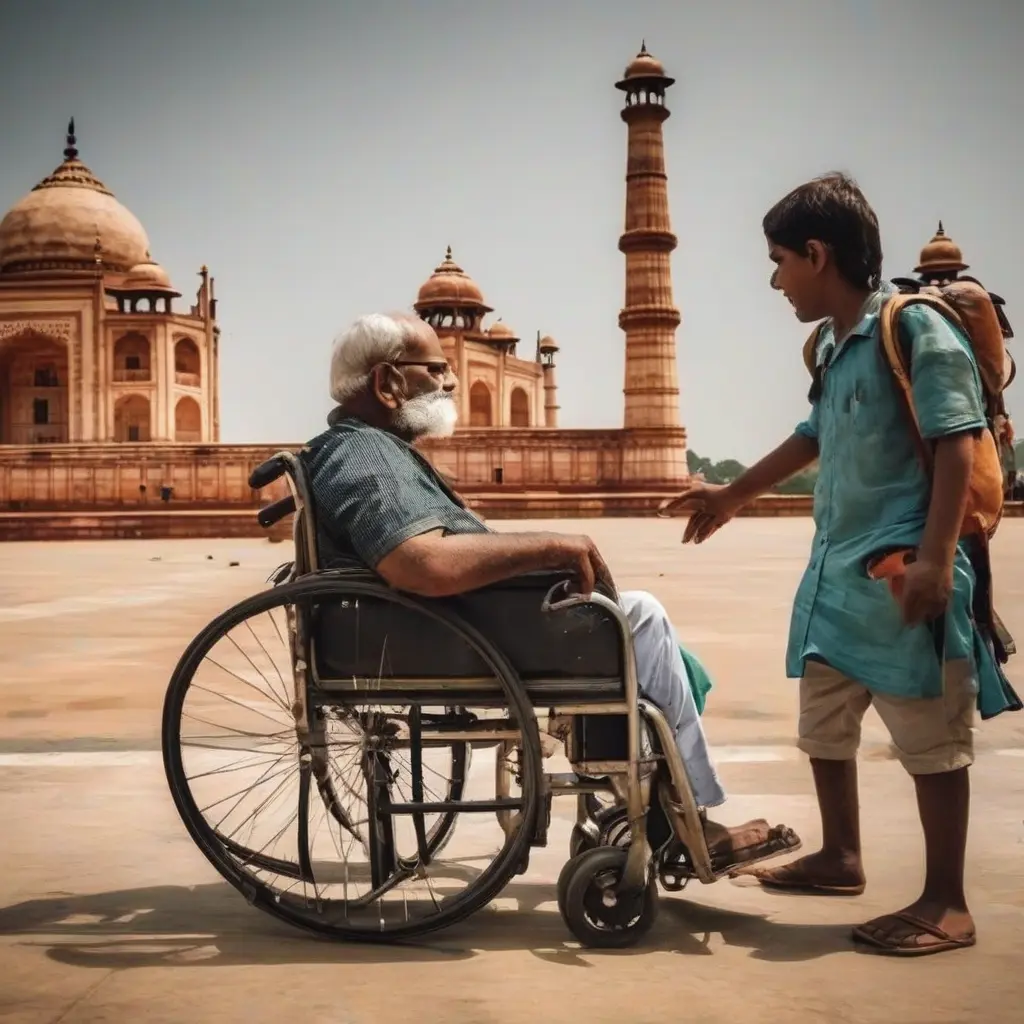
Traveling in India can be an enriching experience, but for individuals with disabilities, it requires additional planning and consideration. Understanding the landscape of accessibility in India is crucial for a smooth journey. From transport options to accommodation and local attractions, having the right information can make a significant difference. This guide aims to provide essential safety insights and practical tips for traversing the diverse regions of India, ensuring that everyone can enjoy the beauty and culture of this vibrant country.
Understanding Accessibility in Indian Cities
The level of accessibility in Indian cities can vary significantly, greatly affecting the travel experience for those with disabilities. Major cities like Delhi, Mumbai, and Bengaluru have made strides in improving facilities, including ramps, accessible transportation, and restrooms. However, outside these urban areas, accessibility can diminish. It’s essential to research specific cities and locales beforehand, checking for accessible public transport and accommodations to ensure a more comfortable experience during your travels.
Transport Options for Disabled Travelers
When traveling across India, various transportation options cater to the needs of disabled individuals, although the availability may vary. Cities often feature accessible taxis and specialized vehicles for those requiring extra support. Train services have introduced accessible compartments, and airlines are obligated to assist disabled travelers. Despite these provisions, it’s wise to book services in advance and inquire about accessibility features to prevent any unpleasant surprises on your journey.
Choosing Accessible Accommodations
Selecting the right accommodations plays a vital role in ensuring a smooth travel experience for individuals with disabilities. Many hotels, especially in urban areas, offer accessible rooms equipped with necessary facilities. However, not all establishments meet the same standards. It’s advisable to read reviews and contact hotels directly to verify their accessibility features. Websites dedicated to travel with disabilities can also provide useful recommendations and insights into suitable lodging options.
Navigating Cultural Considerations
India is rich in cultural diversity, which can impact how accessibility is viewed and implemented. Understanding local attitudes towards disabilities can be beneficial for travelers. In some areas, a lack of awareness may pose challenges, while in others, support may be readily available. Engaging with locals respectfully can help travelers navigate cultural sensitivities, as well as uncover resources or assistance that may not be widely advertised.
Planning Your Itinerary with Accessibility in Mind
When creating an itinerary, including accessible attractions and activities is crucial for enjoying your visit. Research popular sites for their accessibility features, such as wheelchair ramps, guided tours designed for disabled travelers, and rest areas. Some attractions may offer specific times for visitors needing additional support. Crafting a balanced itinerary allows for a fulfilling experience, ensuring both adventure and comfort throughout your travels.
Safety Tips for Travelers with Disabilities
Prioritizing safety is essential for any traveler, especially those with disabilities. Always have a reliable means of communication, such as a mobile phone with local emergency contacts saved. Carry essential documents, including medical records and identification, in an easily accessible bag. Additionally, knowing local emergency services can be a lifesaver. It’s also recommended to travel with a companion if possible, as this can provide extra support in unforeseen situations.
Health Care Access and Insurance Considerations
Healthcare accessibility can be a concern for travelers with disabilities, particularly in remote areas. Before embarking on your trip, ensure you have appropriate travel insurance that covers medical emergencies. Familiarize yourself with the medical facilities available in your travel destination, as major cities typically have established hospitals. Packing a sufficient supply of necessary medications and documents pertaining to your health status can further ease any worries during your travels.
Local Assistance and Resources
Many organizations in India provide assistance to travelers with disabilities, offering resources for navigating their travels. Contacting local disability advocacy groups can yield valuable information about accessible services and attractions. Some cities have volunteers ready to assist travelers in need, enhancing the experience. Utilizing online travel forums can also help travelers connect with others who share similar needs, offering personal experiences and recommendations.
Leveraging Technology for a Better Experience
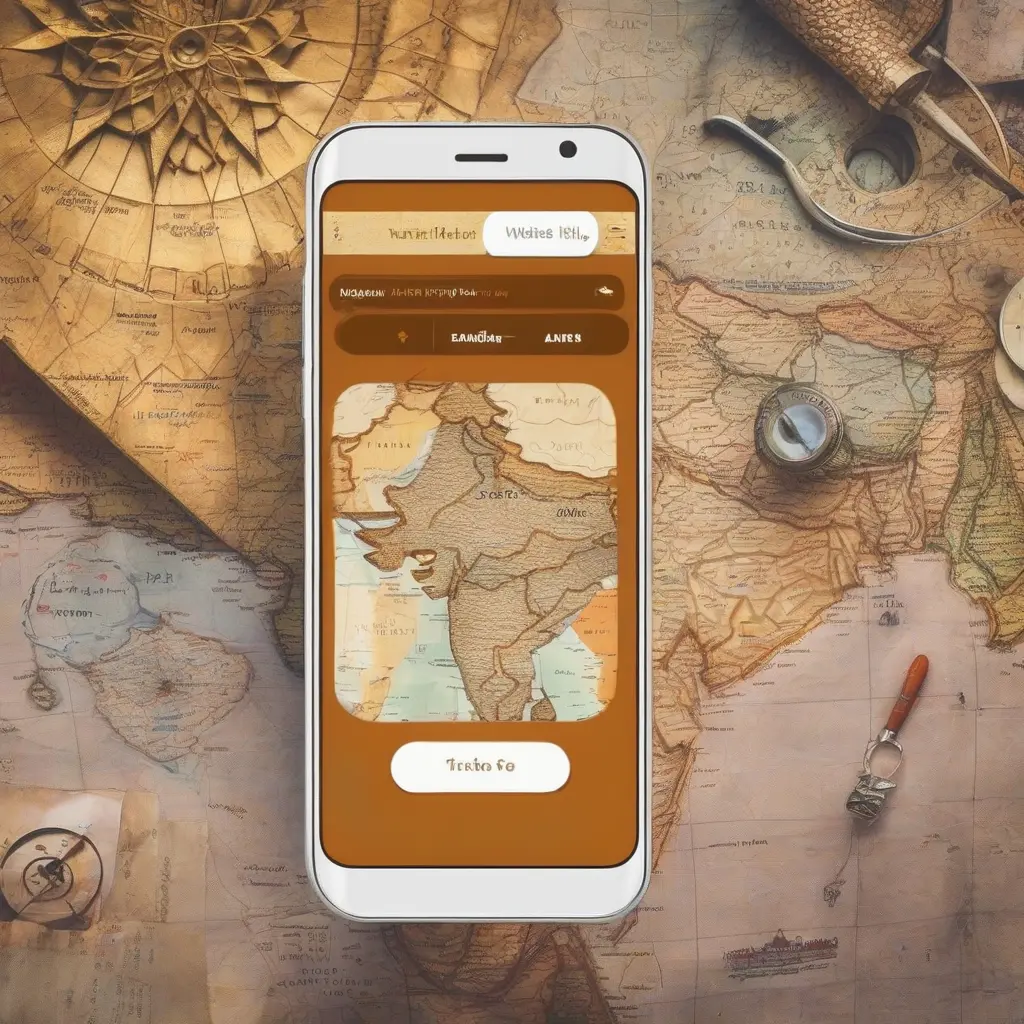
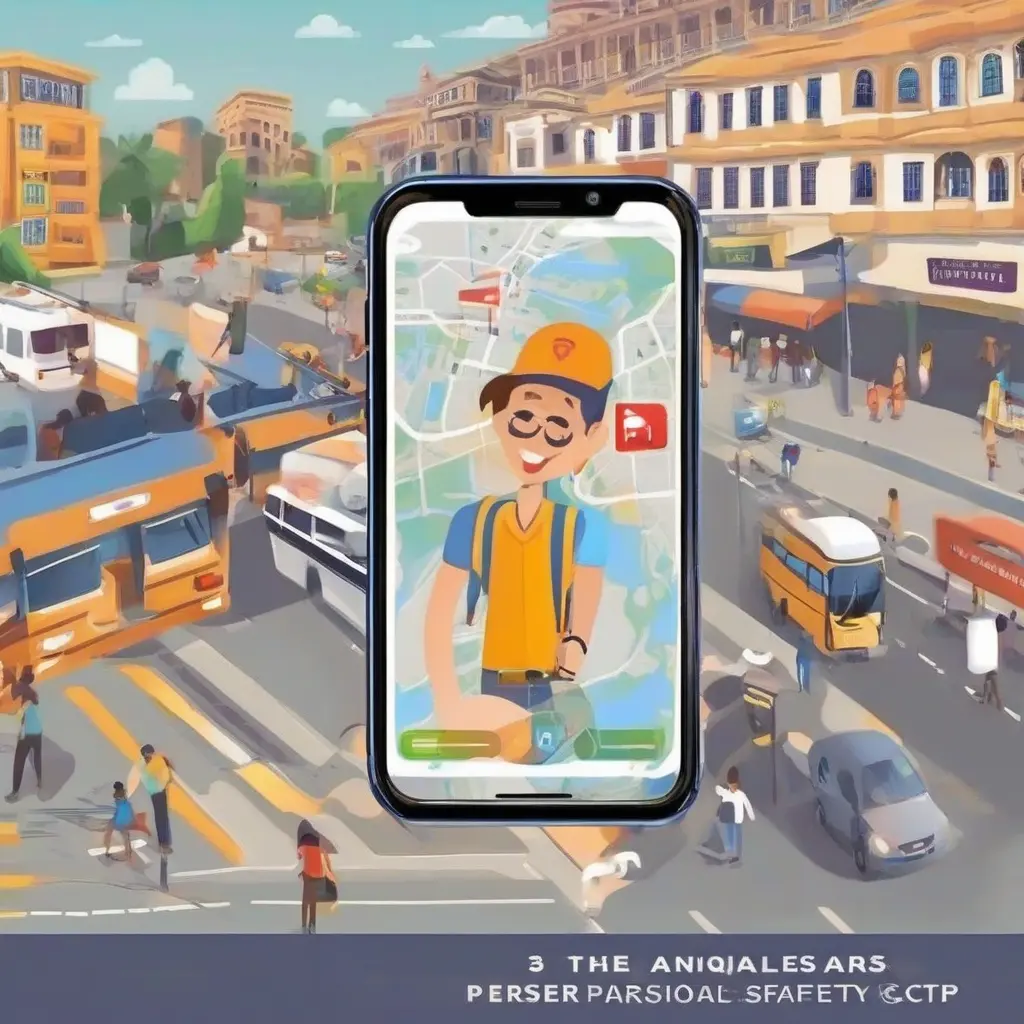
Technology can significantly enhance the travel experience for individuals with disabilities. Numerous apps provide information on accessible locations, transportation services, and helpful resources. Navigation apps can assist in finding the most accessible routes, while translation apps can help bridge potential communication gaps. Utilizing social media can also connect travelers with a community that shares tips and insights, ultimately making it easier to navigate travel challenges.
Final Thoughts on Traveling Successfully in India
Traveling in India with disabilities is certainly challenging but rewarding when armed with the right information and resources. By understanding accessibility issues, planning meticulously, and utilizing available assistance, travelers can create a fulfilling experience. Emphasizing safety and preparation will allow individuals with disabilities to explore the rich culture, history, and beauty of India, creating unforgettable memories and enriching experiences along the way.