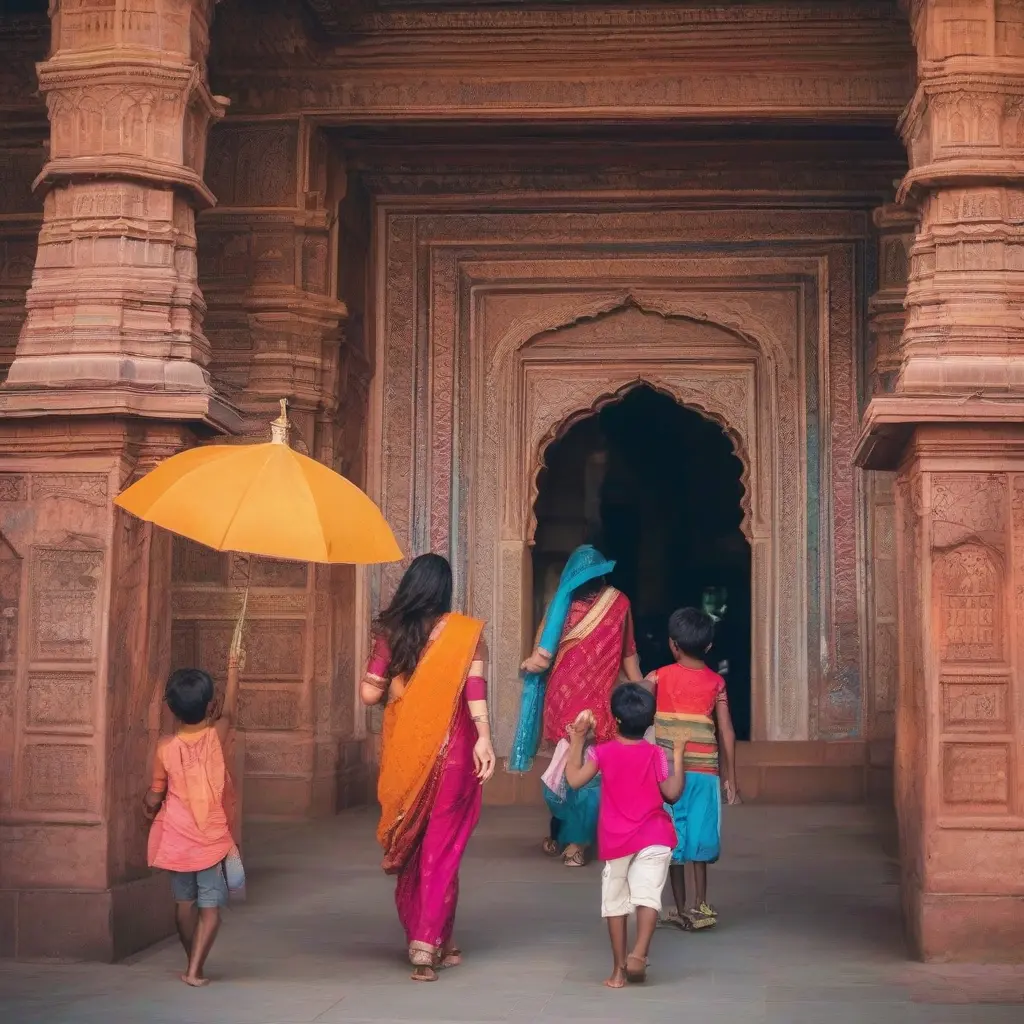
Driving in India offers a unique experience, characterized by its vibrant culture and diverse landscapes. Understanding the local road rules is essential for both safety and compliance, especially for travelers. This guide aims to provide travelers with essential information about Indian road rules, signage, and driving practices to ensure a smooth journey across the country.
Understanding the Indian Road Signs
Road signs in India follow the general international standards, but they also include specific local interpretations. Signs indicating directions, warnings, and prohibitions are critical for safe travel. Look out for signs like ‘No Entry,’ ‘Speed Limit,’ and ‘Roundabout Ahead,’ which help navigate the local road networks. Familiarizing yourself with these signs will help ensure you follow traffic rules and maintain your safety while driving.
Traffic Rules and Regulations
India has a complex system of traffic rules that may differ from those in other countries. For instance, driving is on the left side of the road, and using seat belts is mandatory for all passengers. Moreover, it is illegal to use a mobile phone while driving unless hands-free. Understanding these regulations is essential to avoid fines and accidents, making your journey safer and more enjoyable.
Vehicle Registration and Documentation
If you plan to drive in India, ensure that your vehicle is registered and has all necessary documentation. International drivers should carry a valid driving license, an International Driving Permit, vehicle registration papers, and insurance documents. Failure to present the required paperwork can result in fines or legal issues. Having these documents readily available not only ensures compliance but also enhances your confidence on the road.
Driving Behavior and Local Etiquette
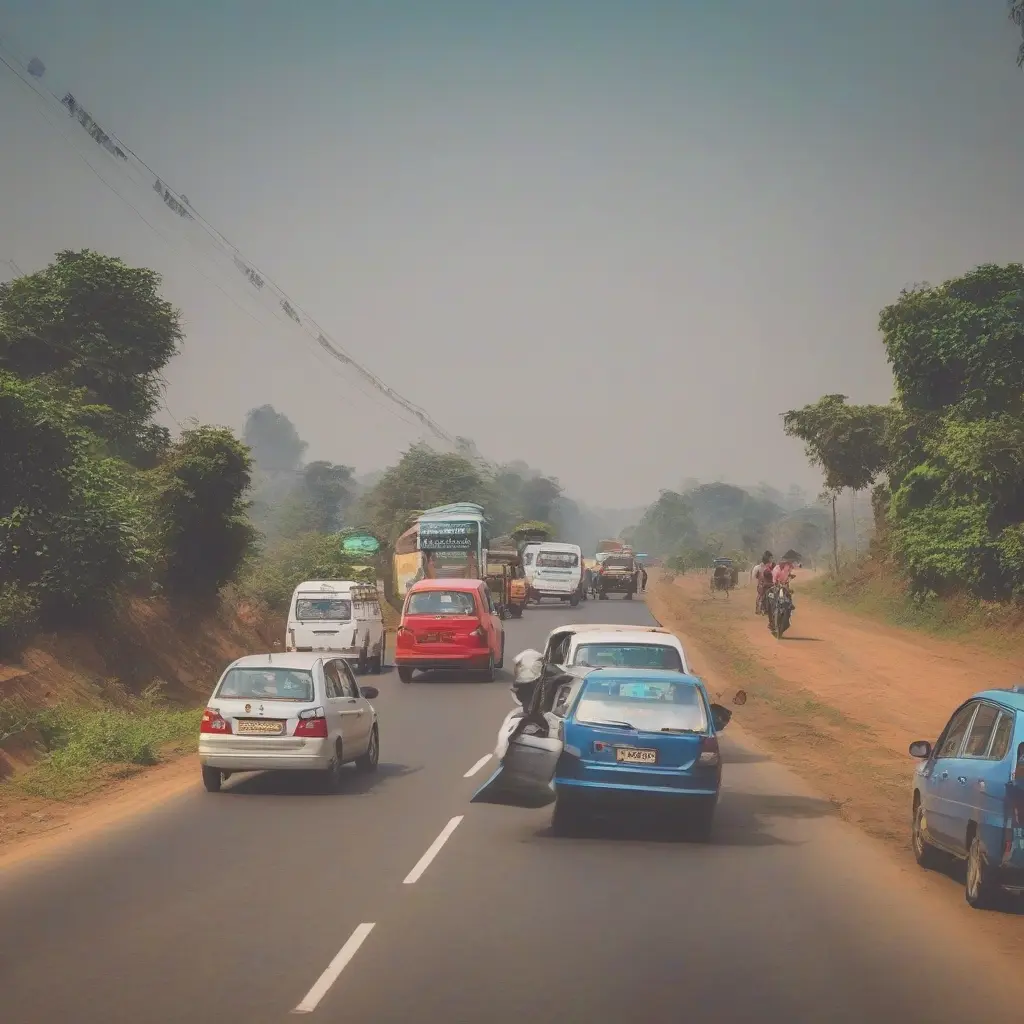
Driving behavior in India can be quite different from what you might expect. Aggressive driving, frequent lane changes, and honking are common. Local drivers often depend on visual cues and signals instead of strict adherence to lanes. Therefore, it is crucial to remain vigilant and adapt to the driving style around you. Practicing patience and understanding can significantly contribute to a safer traveling experience.
Navigating Indian Road Conditions
Road conditions in India can vary significantly from one region to another. While major highways might be well-maintained, rural roads can be uneven or poorly lit. During the monsoon season, flooding and potholes can exacerbate driving challenges. It is advisable to check local conditions and weather forecasts before traveling. Adapting your driving style based on the road conditions will enhance safety and comfort during your journey.
Use of Helmets and Safety Gear
For motorcyclists and scooter users, wearing a helmet is not just recommended; it’s mandatory in many states. Helmets significantly reduce the risk of severe injuries in accidents. Additionally, wearing appropriate safety gear, such as knee and elbow pads, can provide extra security when riding. Encourage all passengers to wear safety gear to enhance protection and promote a culture of safety while traveling on Indian roads.
Understanding Right of Way
The concept of right of way can be ambiguous in India. Generally, larger vehicles like buses and trucks have the right of way over smaller vehicles. However, it is commonly expected that vehicles already on a roundabout and pedestrians crossing the street have priority. Observing local traffic patterns and being cautious can help you navigate these situations more effectively, reducing the chances of an accident.
Emergency Protocols and Roadside Assistance
In the event of an accident or vehicle breakdown, knowing whom to contact can be vital. Many roadside assistance services operate in urban and tourist areas, offering support for both vehicle recovery and medical emergencies. It’s beneficial to keep emergency contact numbers handy and familiarize yourself with local emergency services. This way, you can ensure swift assistance in times of need.
Driving During Nighttime
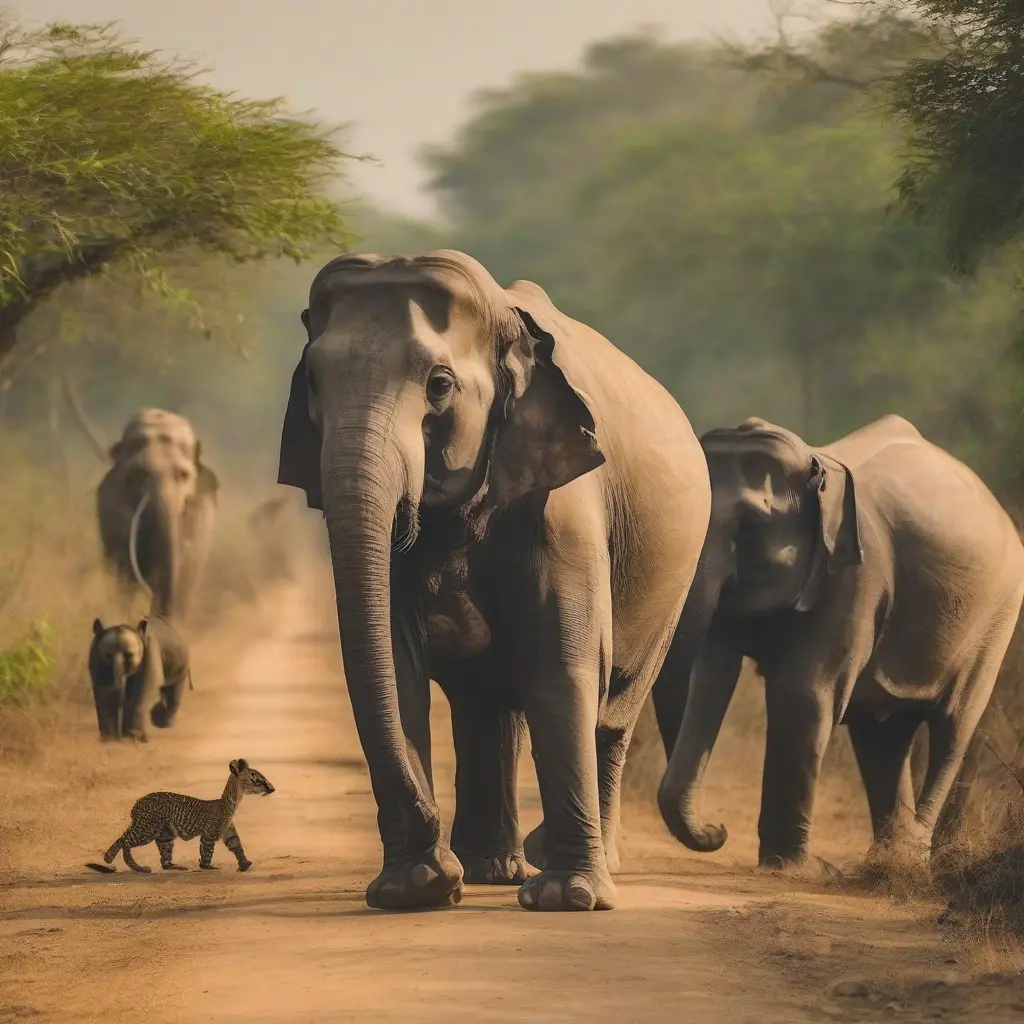
Driving at night in India can be challenging due to poor street lighting and the presence of unmarked hazards. Animals, pedestrians, and other vehicles can suddenly appear, making vigilance essential. If possible, try to avoid nighttime driving, especially in rural areas where road conditions may be unpredictable. If you must drive at night, ensure your vehicle’s headlights are functioning correctly and drive at a safe speed to react quickly to the unexpected.
Cultural Considerations on the Road
Cultural norms play a significant role in driving behavior throughout India. For instance, be mindful of the way different communities prioritize their own local customs while driving. This understanding can help enhance interactions with local drivers and pedestrians. Showing respect and adaptability can make your driving experience more rewarding and help form positive connections with the local culture.
Conclusion
Driving in India presents an exciting adventure, enriched by its diverse cultures and traditions. By understanding the local road rules, signs, and driving habits, travelers can navigate the complexities of Indian roads more confidently. Preparation and awareness are key to ensuring a safe and enjoyable journey, allowing you to fully experience the beauty and vibrancy of India.