Traveling to India is an enriching experience that offers a blend of vibrant culture, diverse landscapes, and unique traditions. First-time visitors may feel both excited and overwhelmed by the sheer variety of what India has to offer. From stunning architecture and historical sites to delicious cuisine and bustling markets, understanding what to expect can significantly enhance your journey. This guide aims to prepare you with essential tips and insights, ensuring you navigate your travels with ease and enjoy India’s beauty to the fullest.
Understanding India’s Cultural Diversity
India is a vast country with an incredibly rich tapestry of cultures, languages, and religions. This diversity is apparent in local customs, festivals, and traditions that vary significantly from one region to another. As a first-time traveler, it’s essential to respect and embrace these differences, which can enrich your travel experience. Engage with locals, learn a few words in their languages, and participate in traditional ceremonies when possible, as this will provide deeper insights into the lives of Indian people.
Best Time to Visit India
The ideal time to visit India largely depends on the regions you plan to explore. Generally, the winter months from October to March are recommended, as temperatures are more manageable and the weather is pleasant. However, be aware that some areas may experience heavy rainfall during the monsoon season from June to September. Researching specific regions before your visit can help you avoid extreme weather conditions and enjoy your travels to the fullest.
Visas and Entry Requirements
Before your journey to India, ensure you have the necessary visa and understand entry requirements. Most travelers need a visa to enter India, which can be acquired online or at Indian consulates. The e-Visa allows stays of up to 60 days and is highly recommended for shorter trips. It’s crucial to keep your travel documents organized and review the latest guidelines on the Indian government website to avoid any last-minute issues.
Health Precautions for Travelers
Prior to traveling to India, it’s wise to consult with a healthcare provider regarding vaccinations and health precautions. Common vaccinations include those for hepatitis A, typhoid, and tetanus, while some travelers might also consider taking malaria prophylaxis, depending on the regions they plan to visit. Carrying a basic first aid kit and staying hydrated can also prevent illnesses during your stay, ensuring a healthier travel experience.
Navigating Indian Transportation
Traveling within India requires a bit of planning due to the country’s diverse transportation options. From trains and buses to taxis and auto-rickshaws, deciding how to navigate can be overwhelming. Trains are a popular choice for covering long distances, while local transport such as auto-rickshaws offers a quick way to maneuver through bustling streets. Familiarize yourself with local transportation apps to ease your journey and make it more accessible.
Exploring Indian Cuisine
Indian cuisine is a highlight for many travelers, offering a wide array of flavors and dishes that reflect regional specialities. From spicy curries in the north to seafood delights along the coast, there’s something for every palate. Street food is also popular, but it’s important to choose vendors that maintain high hygiene standards. Don’t hesitate to try local eateries, but approach foods that are raw or unpeeled with caution to avoid any digestive issues.
Respecting Local Customs and Etiquette
Understanding local customs and etiquette is essential when traveling in India. Simple gestures, such as removing shoes before entering homes or temples, and using your right hand for eating and greetings, can show respect to local traditions. Being mindful of personal space and dressing modestly, especially in religious sites, will enhance your interactions with local people. Understanding social norms can lead to more respectful and enriching encounters.
Safety Tips for Travelers
While India is generally safe for tourists, it’s essential to remain vigilant and take basic safety precautions. Keeping an eye on your belongings, avoiding poorly lit areas at night, and being cautious when accepting help from strangers can help you stay safe. Additionally, it’s advisable to keep local emergency numbers handy and stay informed about the areas you are visiting. Traveling in groups can also add an extra layer of safety during your explorations.
Cultural Highlights to Experience
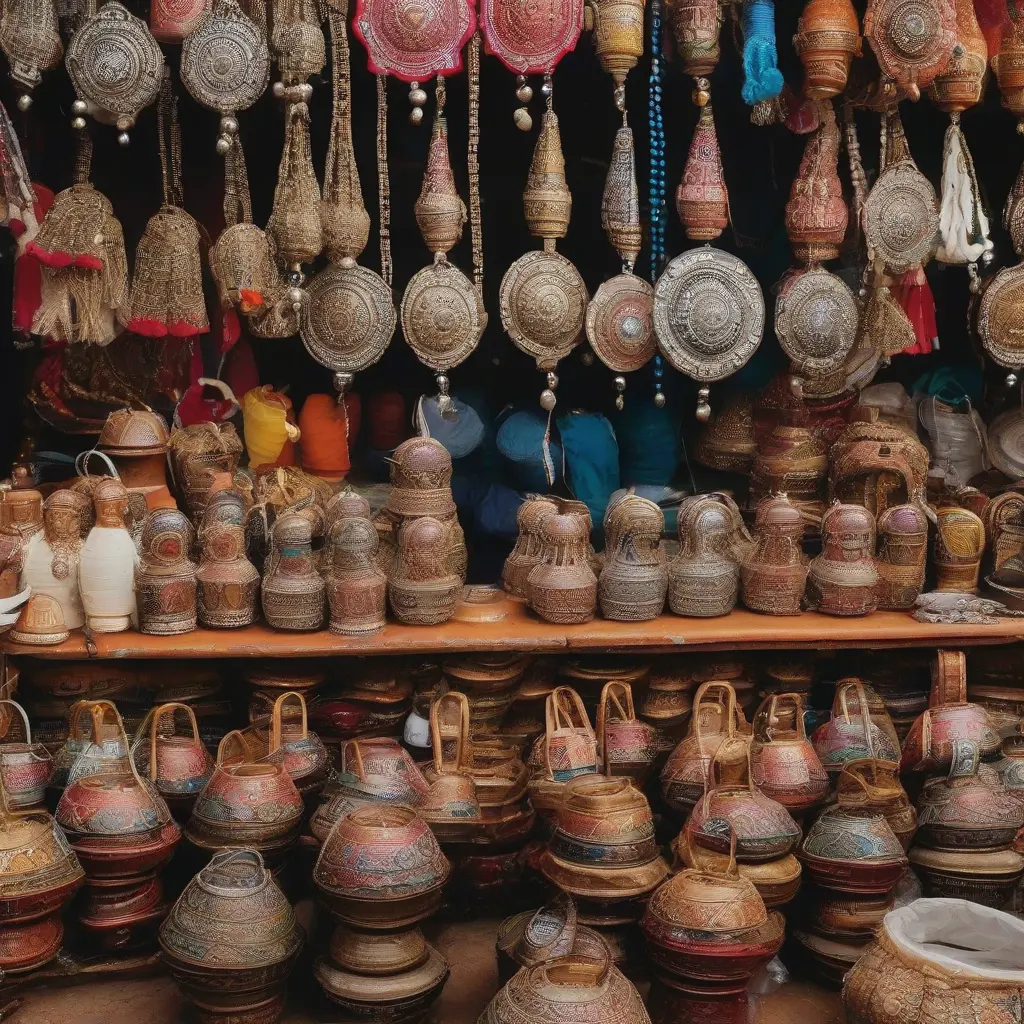
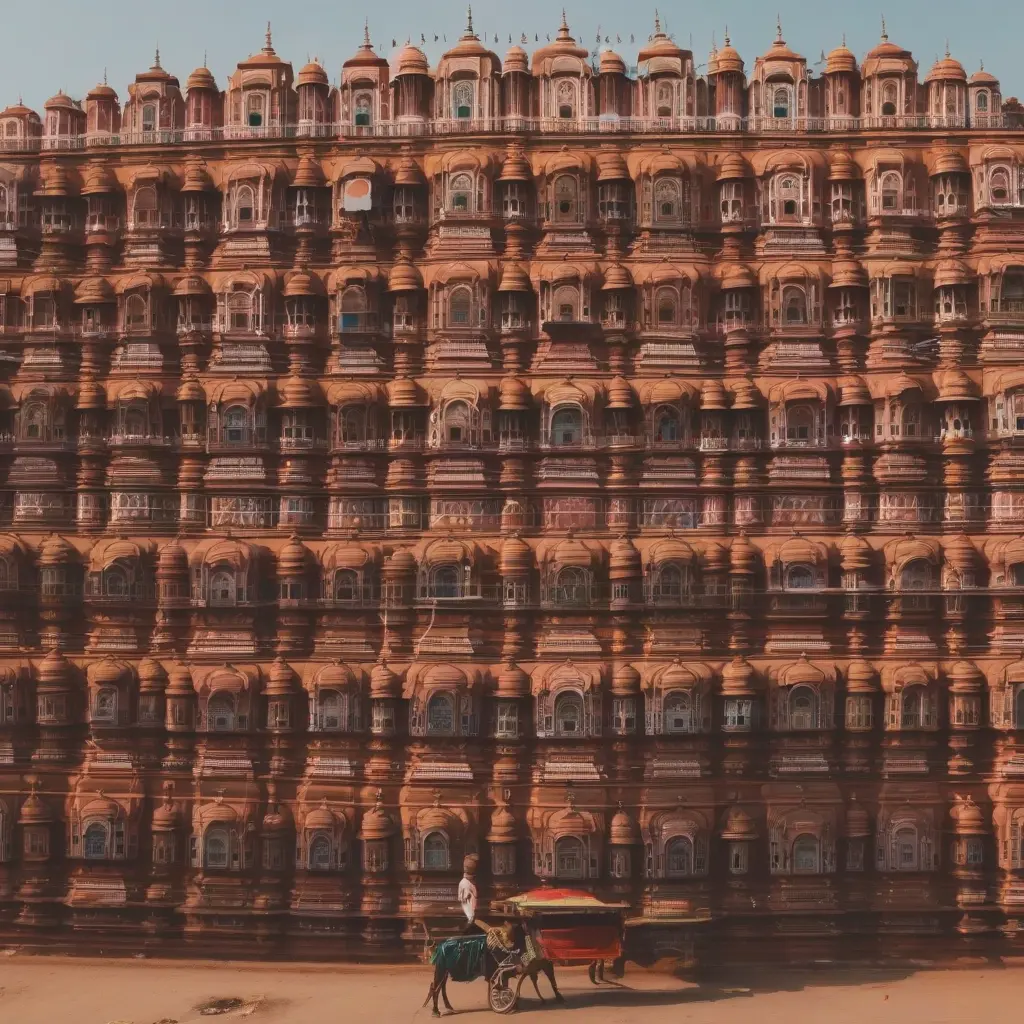
India is home to a plethora of cultural landmarks that should not be missed. Iconic sites like the Taj Mahal in Agra, Jaipur’s palaces, and the spiritual ambiance of Varanasi showcase India’s rich history and architecture. Participate in local festivals, art exhibitions, or traditional performances to experience the vibrant culture firsthand. Seek out opportunities for personal engagement with artists and craftsmen to gain deeper appreciation for the country’s heritage.
Staying Connected While Abroad
Maintaining communication while traveling in India is relatively simple with the availability of various mobile services and Wi-Fi options. Consider purchasing a local SIM card for affordable data and calling options upon arrival. Many cafes and hotels offer free Wi-Fi, but it’s advisable to keep important information offline or backed up during your travels. This ensures connectivity and provides you with peace of mind while navigating unfamiliar areas.
Conclusion
Traveling to India for the first time is an exciting adventure filled with unique experiences and opportunities for personal growth. By preparing in advance and understanding the cultural nuances, you will create lasting memories that go beyond the itinerary. Embrace the diversity, taste the flavors, and engage with the vibrant local life to truly appreciate the beauty of this incredible nation.