India is renowned for its diverse culture and rich spiritual heritage, attracting countless travelers seeking solace and self-discovery through its myriad pilgrimage routes. From the ancient temples of Varanasi to the serene Himalayas, each journey offers unique experiences steeped in tradition. This guide delves into some of the most significant pilgrimage routes across the country, showcasing the spiritual landscapes, ancient rituals, and the profound personal growth that can be achieved through these journeys. Whether you’re seeking inner peace or a connection to history, India’s pilgrimage routes provide an enriching adventure.
Understanding India’s Spiritual Landscape
India’s spiritual landscape is marked by a tapestry of beliefs, practices, and rituals that span centuries. Major religions like Hinduism, Buddhism, Jainism, and Sikhism coexist, influencing pilgrimage practices. The country’s vastness allows for diverse experiences, from bustling temples to remote monasteries. Pilgrimages often intertwine with festivals, offering vibrant cultural showcases that enhance the spiritual journey. While exploring these routes, travelers are invited to immerse themselves in the local customs, engage in age-old rituals, and connect with like-minded individuals on a similar quest for peace and understanding.
The Significance of Pilgrimage in Indian Culture
Pilgrimage holds a revered place in Indian culture, symbolizing devotion, penance, and the quest for spiritual enlightenment. For countless individuals, taking a pilgrimage is a means to cleanse the soul and seek blessings from deities. This practice not only strengthens personal faith but fosters communal bonds as travelers from diverse backgrounds come together to partake in spiritual activities. Many routes also carry historical significance, making the journey a discovery of not just spirituality but also heritage. Understanding this cultural depth enriches the pilgrimage experience, transforming it into a personal and communal celebration.
Popular Pilgrimage Routes in India
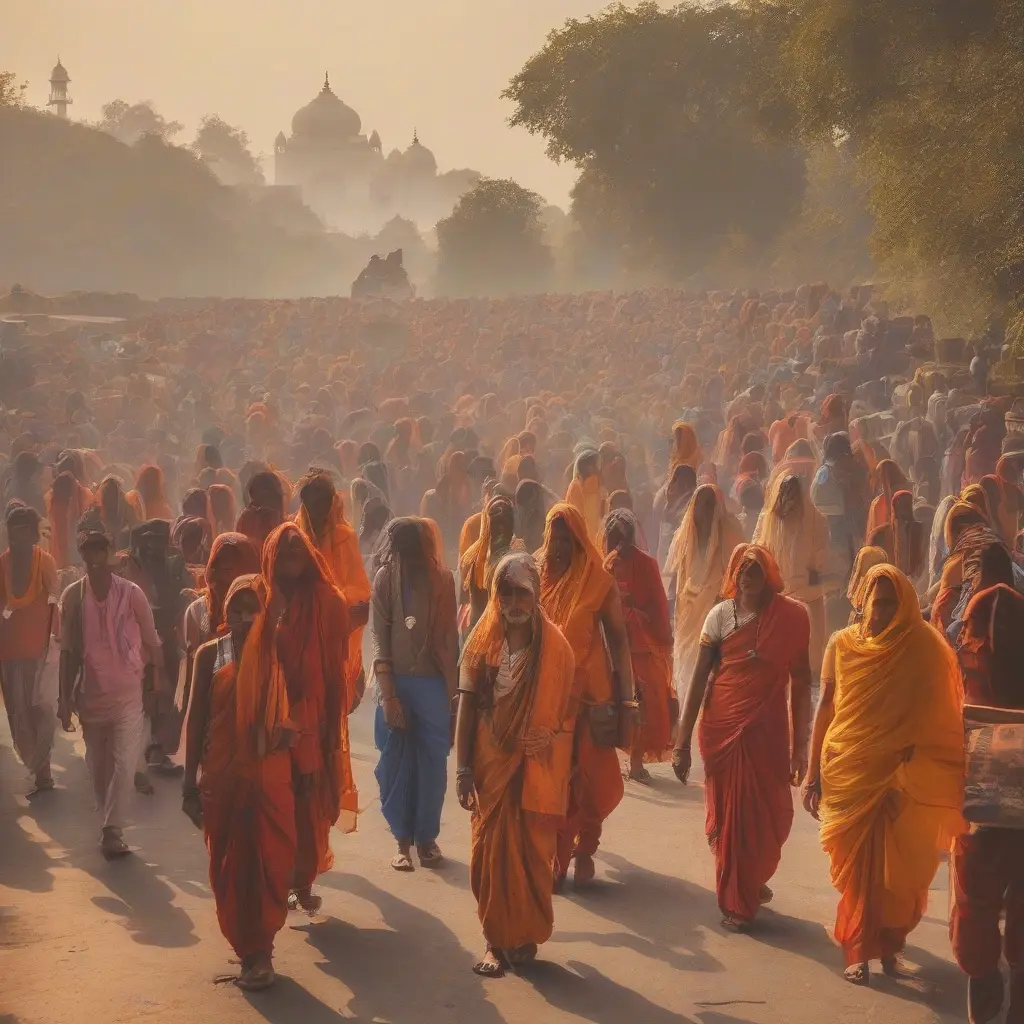
India boasts numerous pilgrimage routes, each offering unique experiences and spiritual encounters. Among the most popular is the ‘Char Dham Yatra,’ comprising Yamunotri, Gangotri, Kedarnath, and Badrinath. This journey into the Himalayas is not only a spiritual quest but also a breathtaking experience of nature’s grandeur. Similarly, the ‘Kumbh Mela,’ held every twelve years, attracts millions, showcasing the collective spiritual fervor of devotees. Other notable routes include the pilgrimage to Amarnath Cave and the spiritual journey to Varanasi, one of the oldest living cities in the world, deeply rooted in Hindu traditions.
The Char Dham Yatra
The Char Dham Yatra is a spiritual odyssey that takes pilgrims through the majestic Himalayas, encompassing four sacred shrines: Yamunotri, Gangotri, Kedarnath, and Badrinath. This pilgrimage is especially popular among Hindus who believe that a visit to these sites purifies the soul and leads to salvation. Each destination holds unique significance, with Yamunotri dedicated to the Goddess Yamuna and Kedarnath home to one of the twelve Jyotirlingas. The journey also offers stunning views of snow-capped peaks and tranquil rivers, making it an unforgettable experience for both spiritual seekers and nature lovers.
Pilgrimage to Varanasi
Varanasi, often referred to as Kashi, is considered one of the holiest cities in Hinduism and is a pivotal destination for spiritual seekers. Pilgrims flock to the ghats along the Ganges River to perform rituals, carry out last rites for ancestors, and partake in the revered Ganga Aarti. The city is a blend of ancient traditions and modern spirituality, offering a meditative atmosphere that captivates visitors. Travelers are encouraged to explore its narrow lanes, vibrant markets, and numerous temples, immersing themselves in a culture that celebrates life and death in the most profound ways.
Sikh Pilgrimage: The Golden Temple
The Golden Temple, located in Amritsar, is the holiest shrine in Sikhism and attracts millions of devotees annually. This architectural marvel, with its shimmering dome and serene ambiance, serves as a spiritual haven for individuals seeking peace and solace. Pilgrims partake in the daily rituals, which include reading from the Guru Granth Sahib and serving in the langar, a community kitchen that feeds thousands daily. The experience of sharing meals amidst diverse visitors emphasizes the Sikh principle of equality and underscores the temple’s role as a unifying force in a multicultural society.
Buddhist Pilgrimage: Bodh Gaya
Bodh Gaya is one of the most revered sites for Buddhists worldwide, as it is the location where Gautama Buddha attained enlightenment under the Bodhi tree. The Mahabodhi Temple complex, a UNESCO World Heritage Site, attracts travelers who seek a profound spiritual journey. The site fosters an atmosphere of peace and contemplation, making it ideal for meditation. Visitors can explore various monasteries built by different countries, providing a glimpse into the global influence of Buddhism. Participating in meditation sessions and teachings is an essential part of the experience, allowing individuals to connect spiritually with Buddha’s teachings.
The Importance of Preparation for Pilgrimage
Preparing for a pilgrimage is crucial to ensure a fulfilling and safe journey. Pilgrims should consider physical fitness as many routes involve trekking through challenging terrains. Researching the cultural practices and local customs is also important for showing respect to the traditions of the sites visited. Travelers should ensure appropriate clothing, especially when visiting religious sites, and maintain an open-minded attitude towards diverse beliefs. Health and safety measures, such as vaccination, hydration, and carrying essential supplies, are essential to appreciate the journey fully and maximize the transformative potential of the pilgrimage experience.
Impact of Pilgrimage on Personal Growth
Embarking on a pilgrimage can have a profound impact on personal growth and self-discovery. The solitude and reflection fostered by such journeys encourage individuals to confront their innermost thoughts and struggles. Many travelers report a sense of clarity, renewed purpose, and a stronger connection to their spirituality post-pilgrimage. Additionally, the camaraderie developed on these routes creates lasting friendships and shared experiences, enriching the journey. Whether it’s through engaging in spiritual practices, interacting with locals, or simply embracing the beauty of the surroundings, each pilgrimage contributes to the transformative journey of self-discovery.
Conclusion
India’s pilgrimage routes offer travelers an opportunity to explore the depths of spirituality and personal growth. By immersing in vibrant cultures and ancient traditions, visitors can experience transformation and fulfillment. Each journey, whether it be to a sacred temple or a serene riverbank, invites introspection and connection with something greater than oneself. As travelers seek peace and enlightenment against the backdrop of India’s rich heritage, they uncover not only the beauty of the land but also the resilience and wisdom inherent in their own journeys.