Traveling through India is a delightful journey, especially for food lovers. However, to enjoy authentic Indian cuisine without any health concerns, understanding food safety practices is crucial. This local’s perspective provides essential insights into navigating street food, restaurant dining, and indigenous culinary habits. By being informed about potential foodborne illnesses and useful tips, travelers can confidently indulge in the diverse flavors of India, ensuring a memorable experience while prioritizing their health.
Understanding Foodborne Illnesses
Foodborne illnesses are a significant concern for travelers in India. These illnesses can arise from contaminated water, undercooked food, or poor hygiene practices. Common pathogens include bacteria like Salmonella and E. coli, which thrive in tropical climates. Recognizing symptoms such as diarrhea, nausea, and abdominal pain is vital for prompt treatment. Travelers are encouraged to consult local health services if symptoms arise, ensuring they can continue to enjoy their journey without serious health setbacks.
Choosing Safe Eating Establishments
When selecting restaurants or eateries, prioritize establishments that exhibit high cleanliness standards. Opt for places with visible food preparation areas and those that appear busy, as high customer turnover often correlates with freshness. Recommendations from locals or trusted travel guides can offer insight into safe dining options. Additionally, avoid street vendors that lack proper hygiene practices, especially if they don’t cover their food or display cleanliness. Taking these precautions can significantly reduce the risk of foodborne illnesses.
Drink Bottled or Purified Water
Water safety is a pivotal aspect of food safety in India. Drinking tap water can expose travelers to harmful contaminants; therefore, it’s best to consume bottled or purified water. Always check that the bottle seal is intact before purchasing. For those preferring tap water, use purification tablets or install a reliable portable filter. Staying hydrated is essential, especially in warmer regions, and adhering to proper water safety practices will greatly diminish health risks associated with unsafe drinking water.
Cooking Practices to Consider
Understanding local cooking practices can also guide travelers in making safe food choices. Traditional Indian cooking methods often involve cooking food at high temperatures, which can kill harmful pathogens. However, it is essential that food is prepared fresh daily, as leftovers might not be safe to eat. When dining out, inquire about how dishes are prepared and request that food be cooked to order. This can greatly reduce any exposure to harmful bacteria from previously cooked or stored food.
Fruits and Vegetables: To Peel or Not to Peel
Fresh fruits and vegetables are abundant in India, but they must be approached with caution. Eating fruits that can be peeled, such as bananas or oranges, is generally safer, as the skin acts as a barrier against contaminants. Conversely, washing raw produce in untreated water can introduce pathogens. Whenever possible, consume fruits and vegetables that have been washed in purified water. If uncertain about cleanliness, consider opting for cooked vegetable dishes instead, which are usually safer appetizing options.
Spices and Condiments Safety
Indian cuisine is renowned for its rich flavor thanks to an array of spices and condiments. While spices themselves are generally safe to consume, be cautious with chutneys and sauces that may not have been stored properly. These condiments can harbor bacteria if left out for extended periods. When dining out, choose freshly prepared condiments over those that have been sitting out. Ensuring that sauces are made from freshly sourced ingredients will not only enhance your meal but also protect your health.
Street Food: A Delightful Risk
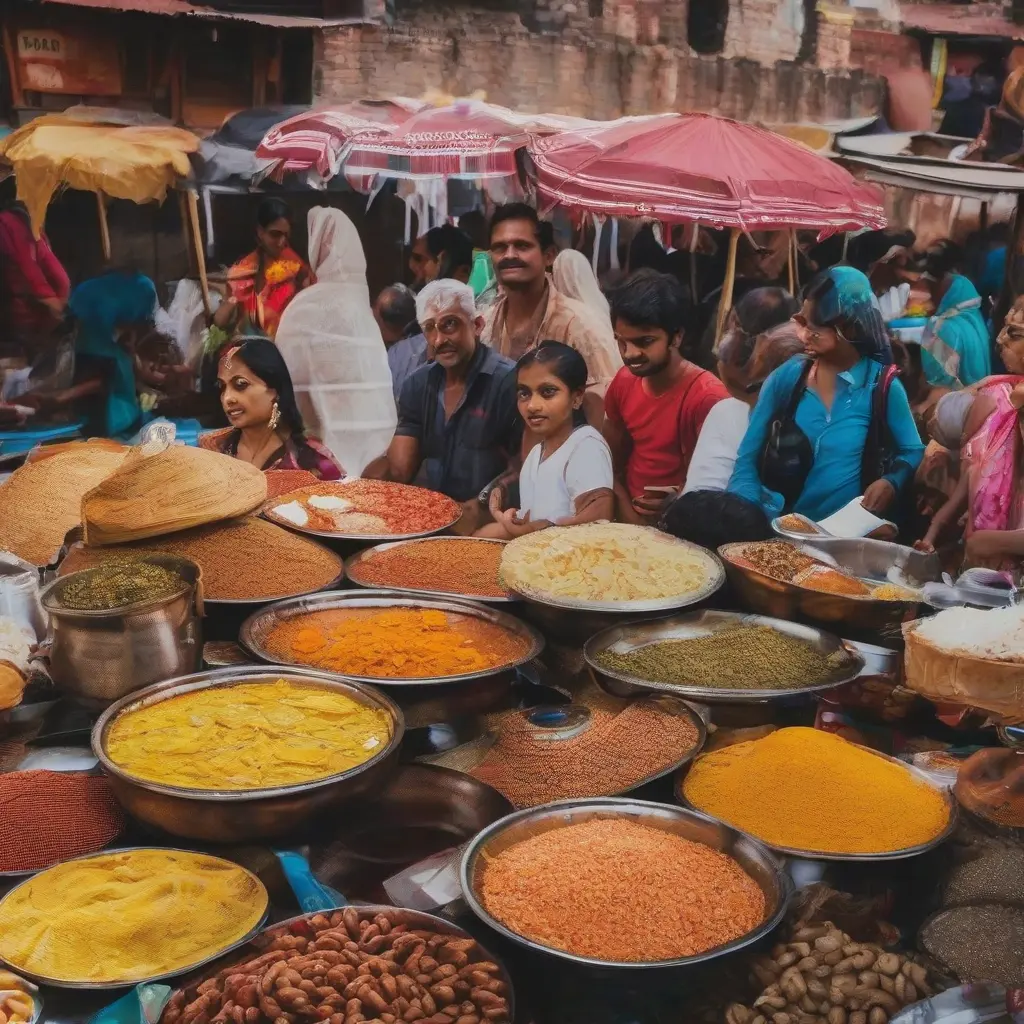
Street food in India is a culinary adventure that shouldn’t be missed, but it comes with inherent risks. Choose vendors that have a high customer turnover, as this often correlates with fresh ingredients. Observe cleanliness practices; the sight of clean cooking utensils can be an encouraging sign. It’s advisable to stick to popular items that are cooked thoroughly, like fried snacks. Additionally, consuming food from vendors who prepare their dishes in front of customers adds a layer of safety through visual inspection.
Common Food Safety Tips
Practicing basic food safety tips can greatly enhance your travel experience in India. Always wash your hands with soap before eating, especially in public places. Carry hand sanitizer for times when handwashing isn’t feasible. It’s wise to avoid dairy products unless you are confident in their freshness, as they can spoil quickly in warm climates. Being mindful of these simple practices will further safeguard your health while allowing you to savor the diverse and delicious offerings of Indian cuisine.
Health Precautions Before Traveling
Prior to traveling to India, consider visiting a healthcare professional for vaccinations and preventive medications, particularly for diseases such as typhoid and hepatitis A. Familiarize yourself with possible health risks related to the regions you plan to visit, as these can vary widely across the country. Equipping yourself with a travel health kit containing medications for common issues, such as diarrhea or nausea, ensures you’re prepared for any minor health problems. Taking these precautions will help ensure a more comfortable trip.
Conclusion
Food safety should be a priority for anyone traveling in India, as the vibrant culinary landscape is both vast and enticing. By understanding potential risks and employing sensible practices—such as choosing safe eateries, drinking purified water, and being cautious with street food—travelers can enjoy the rich flavors of India without compromising their health. Being mindful of food safety not only enhances your travel experience but also contributes to a deeper appreciation of India’s diverse culinary culture.