Traveling in India can be an enriching experience, but managing currency exchange and payments is crucial for a seamless journey. With a diverse economy and varied payment methods, understanding the best practices for currency exchange will help you avoid inconveniences. This guide will cover everything from currency options, local banking practices, using cards and digital wallets, to tips for safe transactions. Whether you’re backpacking or enjoying luxury travel, this information will enhance your financial navigation while exploring this vibrant nation.
Understanding Indian Currency
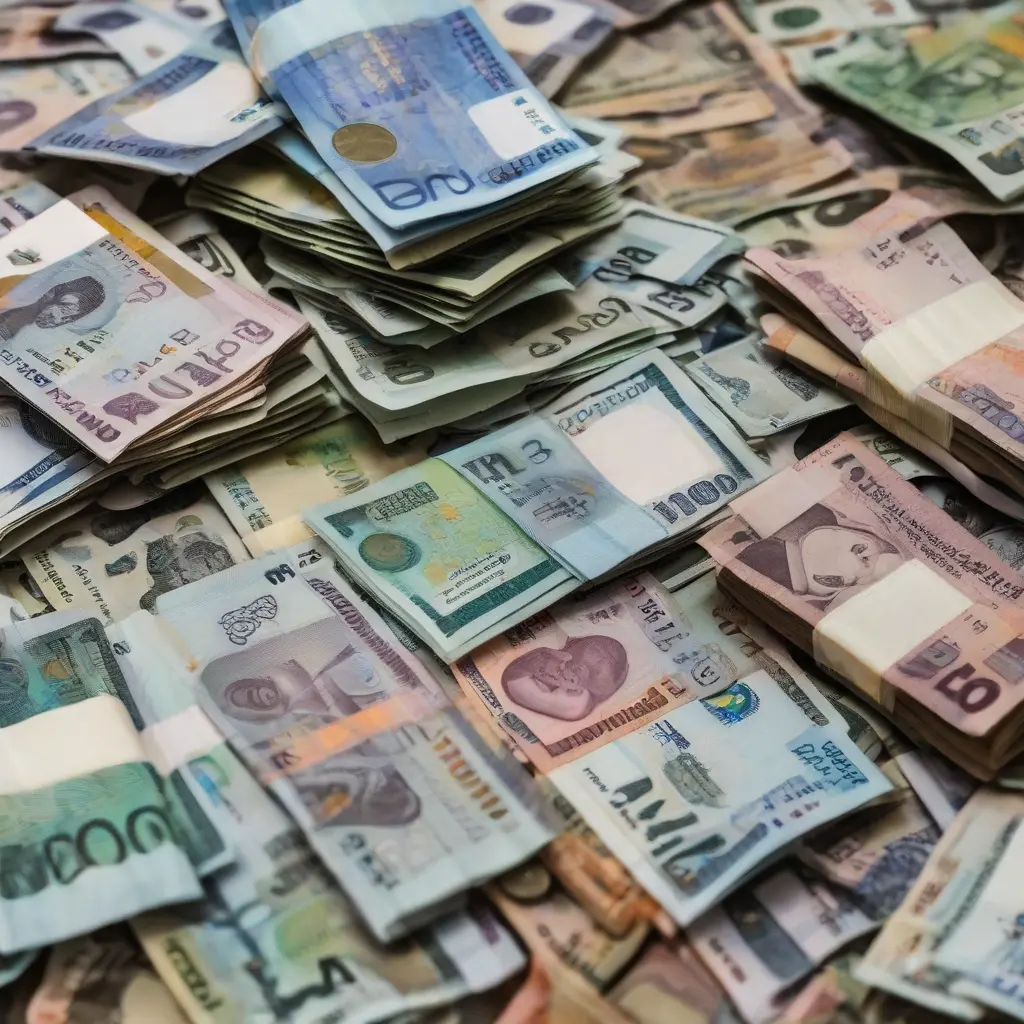
India’s official currency is the Indian Rupee (INR), commonly available in denominations of 10, 20, 50, 100, 500, and 2000 notes. It’s essential to familiarize yourself with currency dynamics before you arrive. Although major cities offer various banks and ATMs, it’s advisable to carry small denominations for local transactions, particularly in rural areas where accepting larger bills might be challenging. Furthermore, be on the lookout for counterfeit currency, which is a concern, so it’s best to exchange your money at authorized outlets to ensure authenticity.
Best Ways to Exchange Currency
The most reliable methods to exchange currency in India are through banks, authorized currency exchange services, and airports. While airports may offer convenience, their rates often include higher service fees, making them less favorable for large conversions. Local banks typically offer competitive rates and secure transactions, though you may need to present identification. Using exchange services located in tourist areas can provide quick access, yet ensure they are licensed to operate for your peace of mind and safety.
Using ATMs Wisely
ATMs are widely available in urban and suburban areas across India. They are a convenient option for withdrawing local currency. However, it’s essential to check the ATM fees charged by your home bank as international withdrawals can come with fees, including currency conversion costs. Always choose ATMs located in well-lit, secure areas or major banks for safety. Additionally, research and inform your bank of your travel plans, as unnotified transactions can trigger security alerts, leading to potential card blockages.
Using Credit and Debit Cards
Credit and debit cards are increasingly accepted in urban centers, hotels, and restaurants across India, but their usage varies in smaller establishments. It’s prudent to bring a card that does not incur foreign transaction fees. Visa and MasterCard are widely recognized, while American Express might face limited acceptance. Always check for any applicable exchange rate fees, and consider getting a card with chip technology for enhanced security during transactions. Carrying a backup card can be a lifesaver in case one is lost or compromised.
Exploring Digital Payment Options
India has adopted a range of digital payment platforms like Paytm, PhonePe, and Google Pay, which facilitate cashless transactions across the nation. These apps can be linked to your bank account or credit card, allowing you to make payments easily. To use these services, it is essential to set them up prior to your trip, which may involve verifying your identity and bank details. Adopting digital payments can enhance your travel experience, especially in a country where street vendors may prefer mobile payments over cash.
Keeping Your Money Safe
Safety should be a top priority when managing your finances while traveling in India. Always use a secure money belt or a hidden pouch to carry cash, cards, and important documents. Avoid displaying large sums of cash or valuable items in public places. It’s advisable to inform your travel companions when withdrawing money from ATMs or engaging in significant transactions. Familiarizing yourself with local fraud tactics, such as fake money changers, can also help you stay alert and protect your finances while enjoying your adventure.
Budgeting Your Expenses
Creating a budget before you embark on your Indian journey can help manage your expenses effectively. Consider your daily costs for accommodation, meals, transportation, and activities. Although India is known for being budget-friendly, prices can vary significantly by region. Researching costs in advance can prevent overspending. Additionally, factor in unexpected expenses, which can arise during your travels. Having a clear financial plan can ensure you enjoy your trip without money-related stress.
Planning for Emergencies
It’s wise to prepare for emergencies by having access to alternative funds. Consider notifying your bank about your travel dates to prevent card issues while abroad. Keep a small reserve of cash in your accommodation for emergencies. Using a trusted local contact or travel advisor can also provide guidance on navigating unfamiliar financial situations. Having a contact number for your bank and a backup plan for accessing cash can ease your worry in case of unexpected financial situations.
Conclusion
Successfully managing currency exchange and payments in India requires planning and vigilance. By understanding the local currency, utilizing banks and ATMs wisely, and embracing digital payment methods, you can navigate your financial transactions smoothly. Prioritize safety, stick to your budget, and always have contingency plans in place to enjoy a hassle-free travel experience in this diverse and captivating country.