

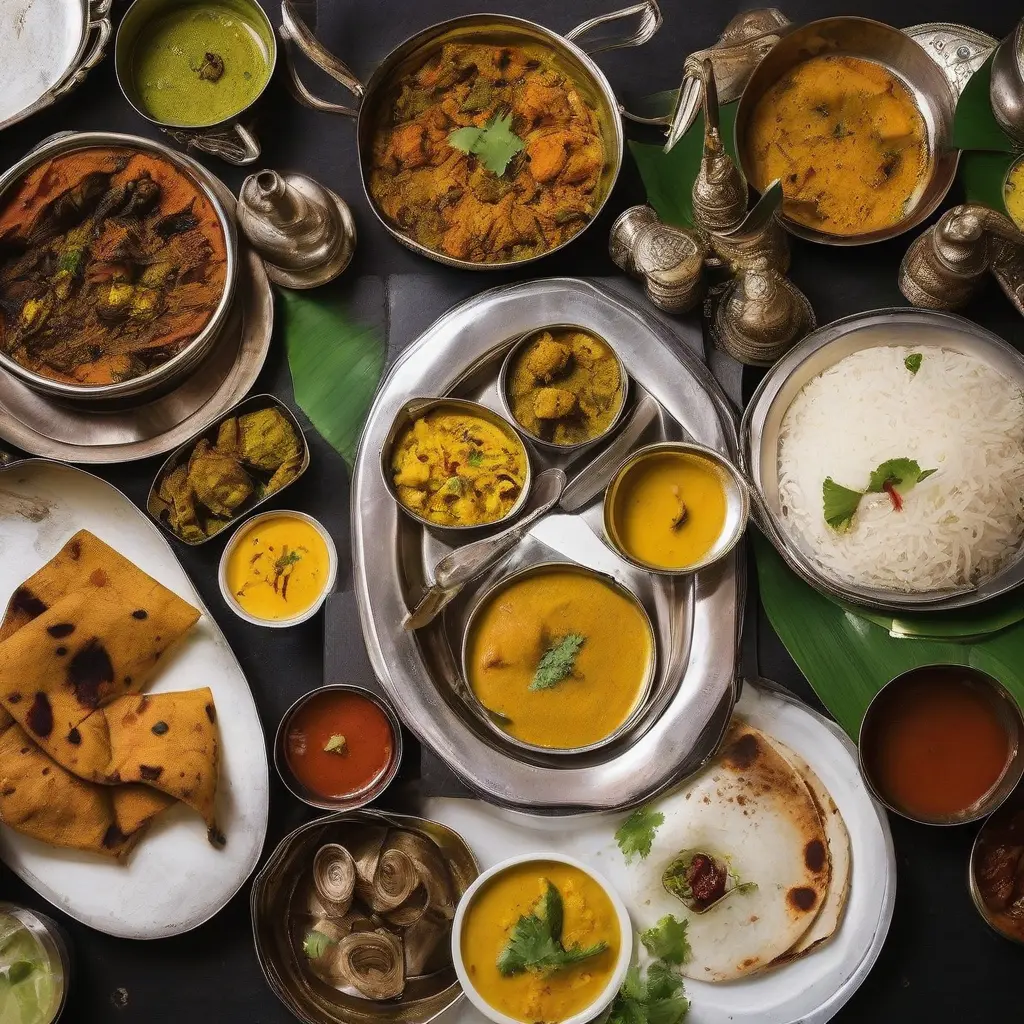
Indian cuisine is a vibrant tapestry of flavors, ingredients, and cooking techniques that varies significantly across different regions of the country. Each state boasts its own unique culinary heritage, influenced by local culture, geography, and history. This travel guide is designed for food enthusiasts eager to explore the diverse and rich regional dishes of India, providing insights into popular meals, local specialties, and culinary traditions that shape the country’s multifaceted gastronomy.
Overview of Indian Cuisine
The essence of Indian cuisine lies in its diversity, characterized by the use of varied spices, herbs, and cooking techniques. From the north to the south, and from the east to the west, each region showcases its special ingredients and flavors. The cuisine reflects the historical influences of Ancient Indian traditions, Mughal gastronomy, and British colonial legacies, all of which have contributed to its evolution. Understanding these regional differences enriches the culinary experience and highlights the importance of local produce and customs.
Northern Indian Cuisine: A Flavorful Journey
Northern Indian cuisine is famous for its rich, creamy dishes, often featuring dairy products like paneer and yogurt. Staples include breads such as naan and roti, typically enjoyed with hearty curries. States like Punjab and Uttar Pradesh are renowned for their kebabs, biryanis, and dishes such as butter chicken and chole bhature. Spices like cardamom, cumin, and coriander contribute to the robust flavors, making this region a favorite among food lovers. A visit to India wouldn’t be complete without exploring these iconic dishes and their regional variations.
Eastern Indian Cuisine: A Sweet Affair
Eastern India, particularly West Bengal and Odisha, is known for its use of mustard oil, fish, and rice as primary ingredients. Fish curry, or ‘machher jhol,’ and pakhala, a fermented rice dish, are staples in this region. The cuisine also embraces an array of sweets, notably ‘sandesh’ and ‘rasgulla,’ reflecting the area’s rich dessert tradition. The unique flavor profiles often incorporate a blend of spices and a touch of sweetness, offering a delightful culinary experience that showcases the local palate.
Western Indian Cuisine: A Spicy Affair
Western Indian cuisine, particularly from regions like Gujarat and Maharashtra, is characterized by its bold and diverse flavor profiles. The cuisine ranges from Gujarat’s vegetarian dishes such as dhokla and undhiyu to Maharashtra’s robust non-vegetarian options like seafood curries and the famous vada pav. Spices, peanuts, and coconut are commonly used, often incorporating sweet, salty, and spicy elements. Western India’s culinary influence is also evident in its street food culture, which features an array of tantalizing snacks worth sampling.
Southern Indian Cuisine: A Tangy Twist
Southern Indian cuisine is marked by its use of rice, lentils, and a variety of spices, with an emphasis on coconut and tamarind for flavor. Dishes from states like Tamil Nadu, Kerala, and Karnataka, such as dosa, idli, and sambar, highlight the region’s unique culinary traditions. Every meal in the South typically begins with a variety of chutneys and pickles, providing a tangy twist that excites the palate. The vibrant spices and distinctive flavors make Southern Indian food a must-try for culinary travelers.
Exploring Indian Street Food
Street food in India is an essential part of the culinary landscape, offering a mouthwatering range of options that reflect local ingredients and spices. Each region boasts its own signature street foods, from Mumbai’s vada pav and bhel puri to Delhi’s chaat and parathas. These quick bites are often prepared under the watchful eye of street vendors, ensuring freshness and authenticity. The experience of sampling street food provides not just a taste of Indian flavors but also a glimpse into the daily life and culture of the local populace, making it an unforgettable adventure.
Culinary Traditions and Festivals
Indian culinary traditions are intertwined with cultural festivals and local customs throughout the year. Events like Diwali and Holi showcase traditional foods, where families come together to prepare and share special dishes. During these festivals, ingredients often play a symbolic role, representing prosperity and celebration. From sweets to savory offerings, these festive dishes offer a deeper understanding of regional specialties. Participating in these culinary traditions provides tourists with an immersive way to explore India’s diverse food culture, fostering a stronger connection to its people.
Vegetarian and Vegan Options in Indian Cuisine
India is a haven for vegetarian and vegan diets, with a plethora of plant-based options widely available across regions. A significant portion of the Indian population follows vegetarianism rooted in cultural and religious beliefs. Dishes like palak paneer, dal tadka, and vegetable biryani exemplify the variety and depth of flavor in vegetarian cooking. Many restaurants and households also offer a range of vegan alternatives, focusing on lentils, legumes, and grains packed with nutrients. This diversity in vegetarian offerings makes Indian cuisine exceptionally appealing to health-conscious travelers and vegans alike.
Pairing Indian Cuisine with Beverages
Pairing beverages with Indian cuisine enhances the dining experience, offering balance to the rich flavors of the dishes. Traditional drinks such as lassi, a yogurt-based beverage, and chai, spiced tea, are popular choices that complement meals beautifully. In the southern regions, tender coconut water and filter coffee are also favorites. Additionally, various regional alcoholic beverages, like feni from Goa or the famous masala chai cocktails, add an intriguing twist to the beverage options. Exploring these pairings creates a holistic experience of Indian dining, intertwining food and drink harmoniously.
Learning Indian Cooking Techniques
For those interested in delving deeper, learning about Indian cooking techniques can be a rewarding endeavor. Methods such as tempering spices, slow-cooking curries, and using a tandoor oven provide insight into the intricate art of Indian cuisine. Cooking classes led by local chefs are available in many cities, allowing travelers to experience hands-on learning while exploring local markets for ingredients. This immersion offers a unique opportunity to understand the nuances of flavors and techniques, transforming the way one appreciates Indian food and its cultural significance.
Conclusion
Understanding Indian cuisine is a journey through its vast regional flavors, traditions, and culinary techniques. From the rich, hearty meals of the North to the light, tangy dishes of the South, each region has something unique to offer. Embracing the diversity of Indian food not only enriches the travel experience but also fosters a deeper appreciation for the culture and history behind each dish. For food lovers and travelers alike, exploring the myriad options in Indian cuisine is a delightful adventure.


