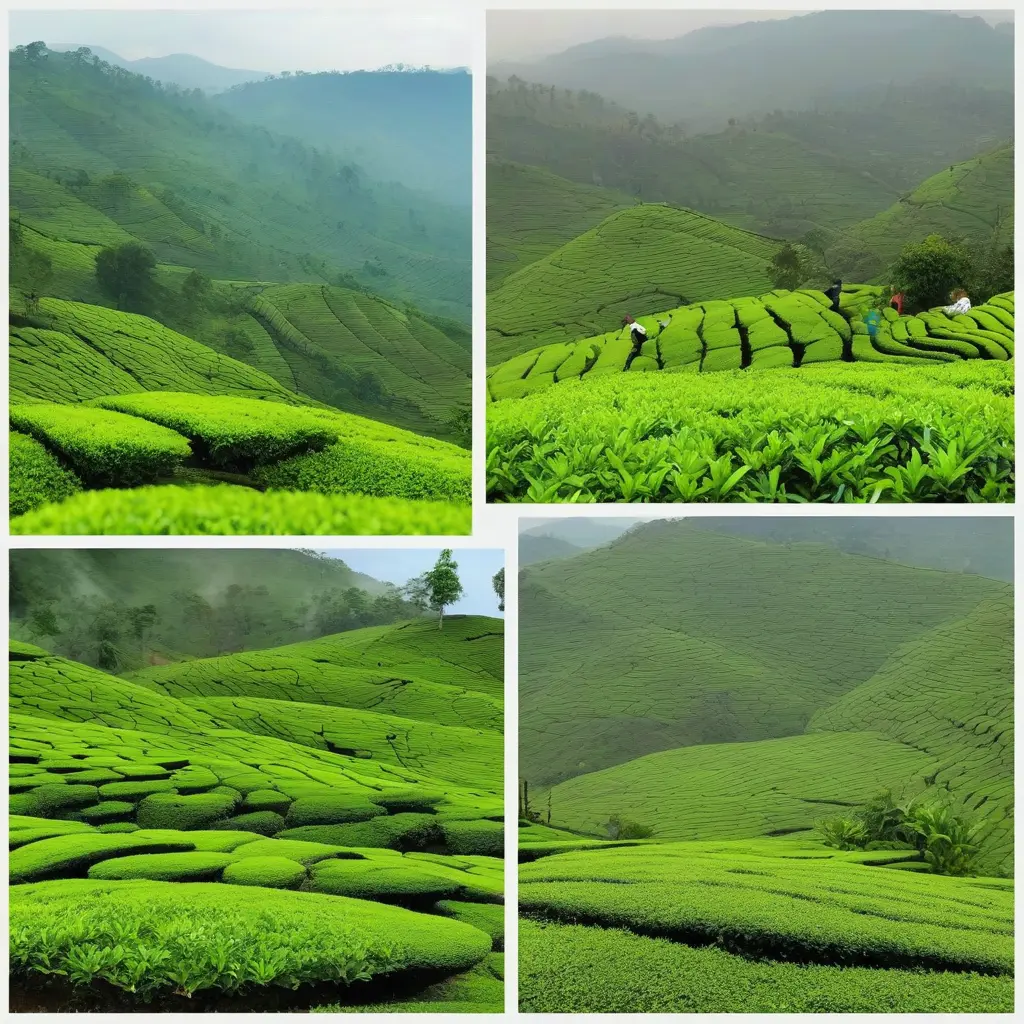
India is renowned globally for its diverse culture, vibrant landscapes, and, notably, its exquisite tea. The nation is home to some of the oldest and most authentic tea plantations that offer visitors an unparalleled experience. From the lush, rolling hills of Darjeeling to the tranquil valleys of Assam, tea tourism in India presents opportunities to explore the scenic beauty while indulging in one of the country’s most beloved beverages. This article will guide you through some of the most authentic tea plantations, showcasing their unique offerings and reasons to include them in your travel plans.
A Glimpse into Teas of India
Understanding the rich variety of teas produced in India is crucial for appreciating the authentic tea plantations. The primary types include the robust Assam tea, the delicate Darjeeling, and the floral Nilgiri tea. Each variety reflects the region’s climate, soil, and cultivation methods. This diversity creates distinctive flavors and aromas, making tea a significant part of Indian culture and economy. Exploring these plantations not only allows one to taste these teas fresh from the source but also to learn about their cultivation methods and the history behind them.
Darjeeling: The Queen of Hills
Darjeeling, often referred to as the ‘Queen of the Hills,’ is one of the most celebrated tea-growing regions in India. Nestled in the foothills of the Himalayas, its cool climate and rich soil yield a variety of high-quality teas. Visitors to tea estates like the Glenburn Tea Estate can explore sprawling plantations, engage in tea tastings, and enjoy breathtaking views of the Kanchenjunga mountain range. The distinct muscatel flavor of Darjeeling tea offers a sensory experience that captures the essence of this majestic region.
Assam: The Land of Robust Flavors
Assam, known for its rich, bold-flavored teas, is another essential destination for tea enthusiasts. The region’s tropical climate and fertile soil contribute significantly to the robust flavors of Assam tea. Plantations such as Jorhat Tea Estates invite visitors to immerse themselves in the world of tea production, offering guided tours that include the harvesting process and tea-making techniques. Sampling the strong, malty Assam tea while surrounded by lush greenery is a unique experience that showcases the distinct regional characteristics.
Nilgiri: The Blue Mountains Delight
Nilgiri, located in the southern part of India, is famous for its aromatic and fruity teas. The region’s elevation and climatic conditions make it ideal for producing unique teas with a distinct flavor profile. Estates like the Ballymaloe Tea Plantation offer guided tours through the scenic hills, allowing visitors to witness the tea-making journey from bush to cup. The vibrant landscape, coupled with the refreshing Nilgiri tea, enhances the experience, making it a perfect getaway for those seeking tranquility.
Travel Tips for Visiting Tea Plantations
When planning a visit to tea plantations in India, it is crucial to consider the best time to travel. The peak seasons are typically from March to November, but each region has its unique harvesting periods. Additionally, dressing comfortably and preparing for the unique climate of the region is essential. Many plantations offer accommodations and guided experiences, making it easy for travelers to immerse themselves in the tea culture. Researching the specific tea estates before visiting can enhance the experience and ensure access to various activities.
Cultural Significance of Tea in India
Tea in India is not only a beverage; it embodies a significant part of the culture and social fabric. It serves as a symbol of hospitality and is often the centerpiece of gatherings, family functions, and local festivals. The rituals surrounding tea-drinking, from preparation to serving, often reflect regional traditions and lifestyles. Engaging with the local communities during your visits to tea plantations provides insight into the cultural importance of tea and its role in everyday life, enriching the overall experience.
Eco-Friendly Tea Tourism
With the growing emphasis on sustainability, many tea plantations are adopting eco-friendly practices. Visiting these plantations not only enhances your travel experience but also contributes to environmental conservation. Many estates engage in organic farming practices and encourage responsible tourism. By supporting these plantations, travelers help sustain the local economy while promoting environmentally friendly practices. This trend in eco-tourism offers a chance to enjoy authentic experiences while making a positive impact on the environment.
Conclusion
Exploring tea plantations in India provides a unique blend of cultural immersion, stunning landscapes, and unforgettable flavors. Regions like Darjeeling, Assam, and Nilgiri showcase the diversity of Indian tea and its significance in local traditions. As you navigate through these splendid plantations, you partake in a journey that deepens your appreciation for this cherished beverage. Whether you are a tea aficionado or a casual enthusiast, visiting these authentic tea estates should undoubtedly be on your travel bucket list.